
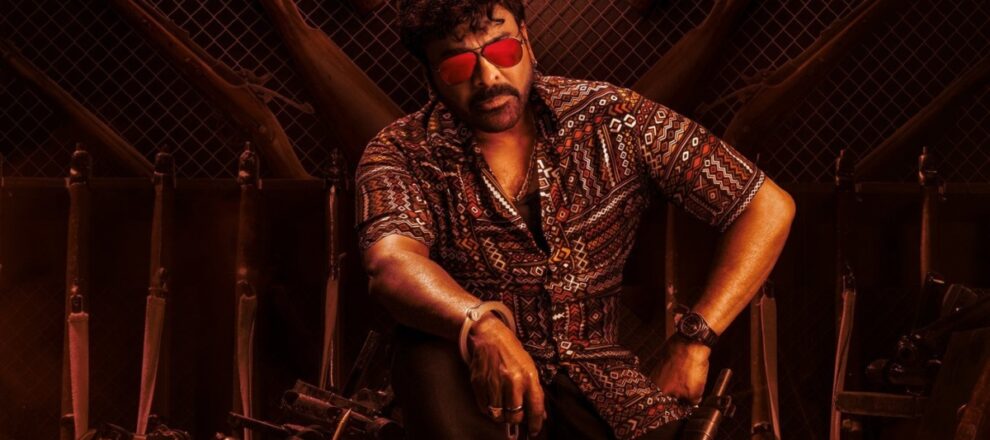
Some movies aren’t trying to be subtle, and that’s the whole point. Waltair Veerayya (2023) shows up like a drumbeat at a festival, loud, bright, and made to be watched with a crowd that loves hero moments.
This is a spoiler-light Waltair Veerayya movie review, written for viewers who want the basics before pressing play. It covers the story setup, performances (especially Chiranjeevi and the big second-half role by Ravi Teja), music, action style, what works, what doesn’t, and who the film is really for.
For US viewers in January 2026, it also helps answer the practical question: Is it worth a relaxed movie night at home, even if the plot feels familiar?
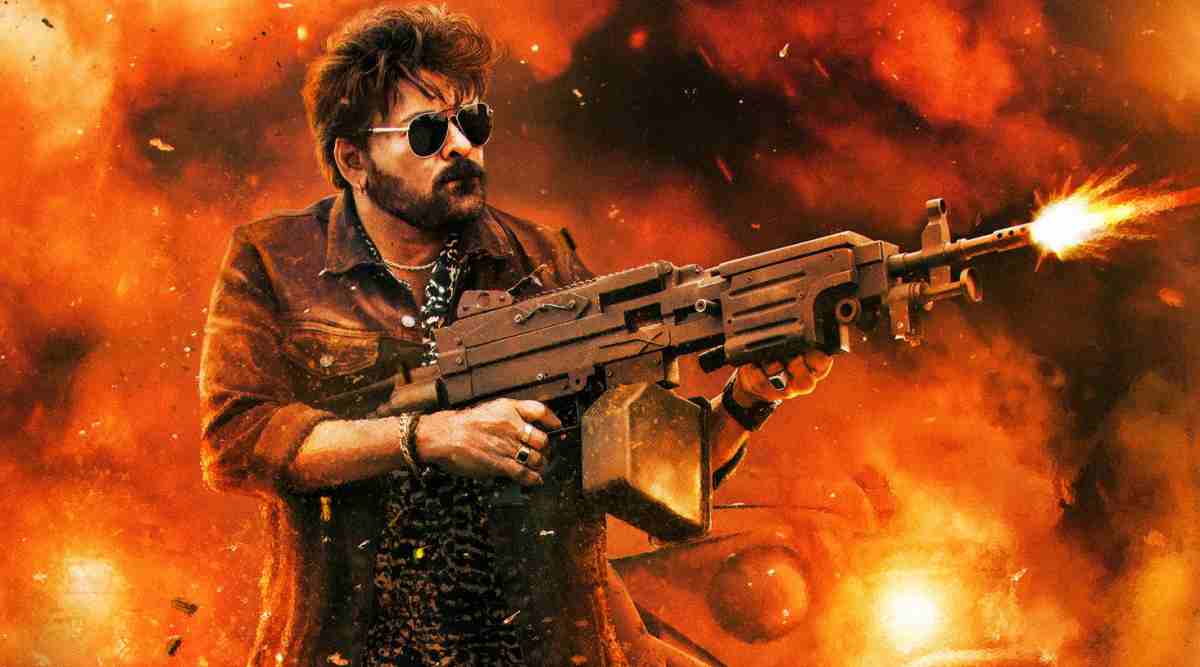
Waltair Veerayya at a glance
| Quick fact | Details |
|---|---|
| Release date | Jan 13, 2023 |
| Director | Bobby Kolli (K. S. Ravindra) |
| Producers | Mythri Movie Makers (Naveen Yerneni, Y. Ravi Shankar) |
| Music | Devi Sri Prasad |
| Cinematography | Arthur A. Wilson |
| Main cast | Chiranjeevi, Ravi Teja, Shruti Haasan, Prakash Raj, Bobby Simha, Rajendra Prasad |
| Runtime | Commonly listed around 150 minutes (some listings vary, often in the 141 to 160 minute range) |
| Where to watch (US, 2026) | Available on Netflix in many regions, catalog access can change by location and time. |
What kind of movie is it, and what mood should viewers expect?
This is a Telugu commercial entertainer that blends action, comedy, songs, and family emotion. It doesn’t chase realism. It chases energy.
The tone deliberately leans old-school: hero entries, punch lines, slow-motion poses, and scenes that exist mainly to make the crowd cheer. Watching it like a grounded crime film is a quick way to feel disconnected. Watching it like a Sankranti party movie makes more sense.
Ratings and reception snapshot (what critics and audiences said)
The reaction has stayed pretty consistent since release. Critics tended to call it mixed or average, while mass audiences treated it like a proper festival win.
On the audience side, the film benefits from repeat-friendly ingredients: comedy beats, familiar story turns, and a lead actor who knows exactly how to sell a “mass” moment. On the business side, it was a clear commercial success in India, with trade totals often cited around ₹236 crore worldwide (numbers vary by source and reporting method).
As of early 2026, IMDb sits in the typical “solid but debated” zone for a big star vehicle, around 6.2/10 based on thousands of ratings. For a feel of how viewers argue about the highs and lows, the IMDb user reviews for Waltair Veerayya show the same pattern: praise for star power and combo scenes, pushback on predictability and length.
Rotten Tomatoes is less helpful here. For many Indian regional releases with limited US rollout, Rotten Tomatoes often doesn’t show a stable, widely referenced critic or audience score. If a page exists, it may reflect a very small sample, so it shouldn’t be treated like a final verdict.
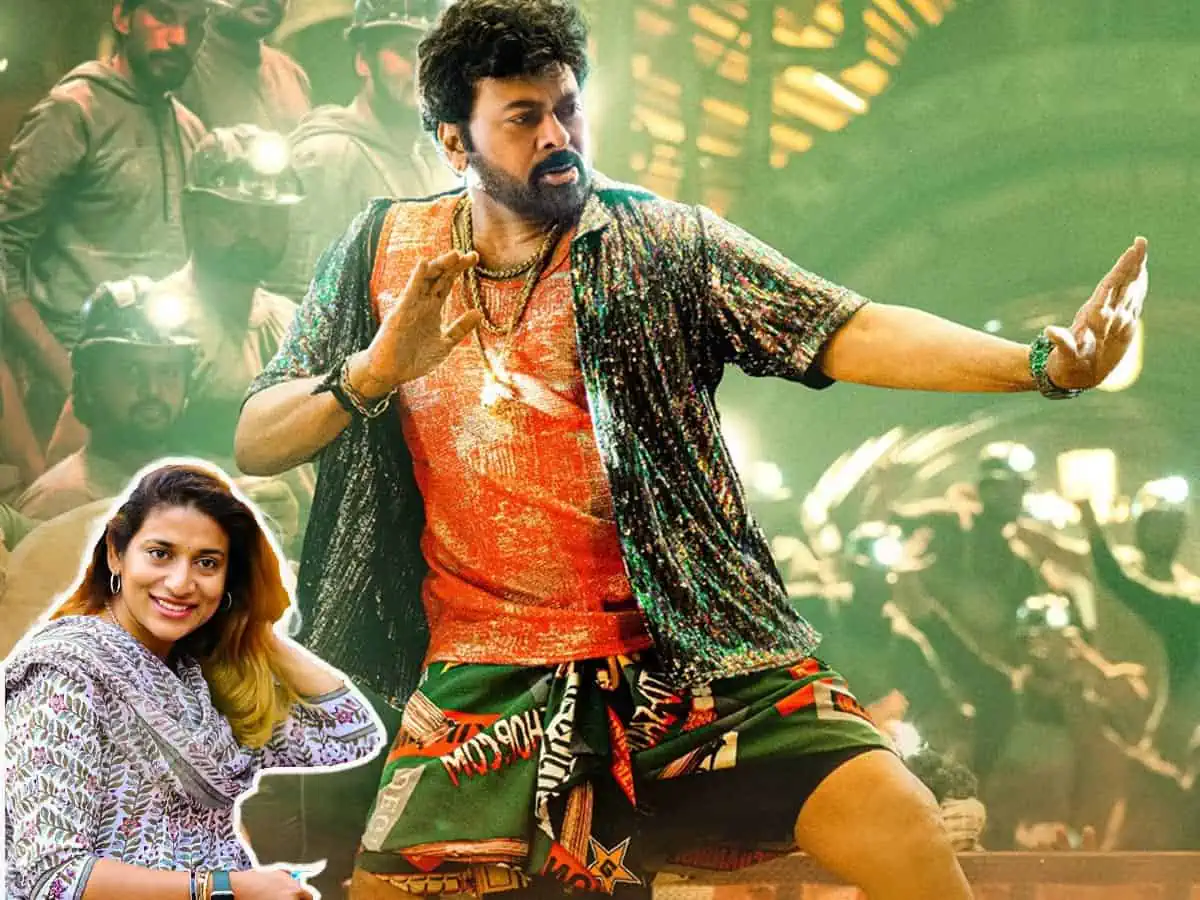
Story review without spoilers: what Waltair Veerayya is about
Waltair Veerayya is introduced as a coastal smuggler with swagger, street smarts, and a reputation that travels faster than he does. He’s the kind of character who can joke in a tense moment and still walk away looking in control.
The plot kicks into motion when Veerayya is pulled toward a dangerous assignment. A major drug-linked criminal is operating overseas (with Malaysia playing a key role in the mission angle), and the job involves capturing him and bringing him back to India.
Along the way, the movie mixes three flavors:
- Comedy that comes from Veerayya’s attitude and the people around him
- Action that goes bigger than life whenever the story needs a jolt
- Emotion tied to a hidden past and a family conflict that slowly comes into focus
The review stays spoiler-light for a reason, because the film depends on late reveals and shifting loyalties to create its “high point” stretch. The best way to enjoy it is to know the setup, then let the movie play its cards.
Pacing and structure: why the second half feels different
The first half spends time establishing Veerayya’s style, his local world, and the movie’s comic rhythm. It’s comfortable, sometimes almost relaxed, because it wants the audience to settle into the hero’s vibe.
The second half raises the stakes and changes the temperature. Key character dynamics deepen, and the film begins to treat its emotional thread more seriously. That shift works well for viewers who like a strong “payoff” phase, but it can feel like two different movies stitched together for viewers who prefer one steady tone.
The screenplay also follows familiar commercial patterns. Fans may enjoy that steady rhythm. Others may predict the turns early and start checking the runtime.
What works best: performances, mass moments, music, and action
For all the talk about story formulas, the reason Waltair Veerayya found a big audience is simple: it delivers the kind of moments people came for.
It has clean hero elevations, punchy exchanges, and a few sequences designed like fireworks. The film also understands the value of timing. When a scene is meant to land as fun, it doesn’t rush past it.
The biggest strength is that the film plays like it’s confident in its own identity. It doesn’t act embarrassed about being a “mass” entertainer. It goes all in.
Chiranjeevi as Waltair Veerayya: charisma, comedy timing, and screen presence
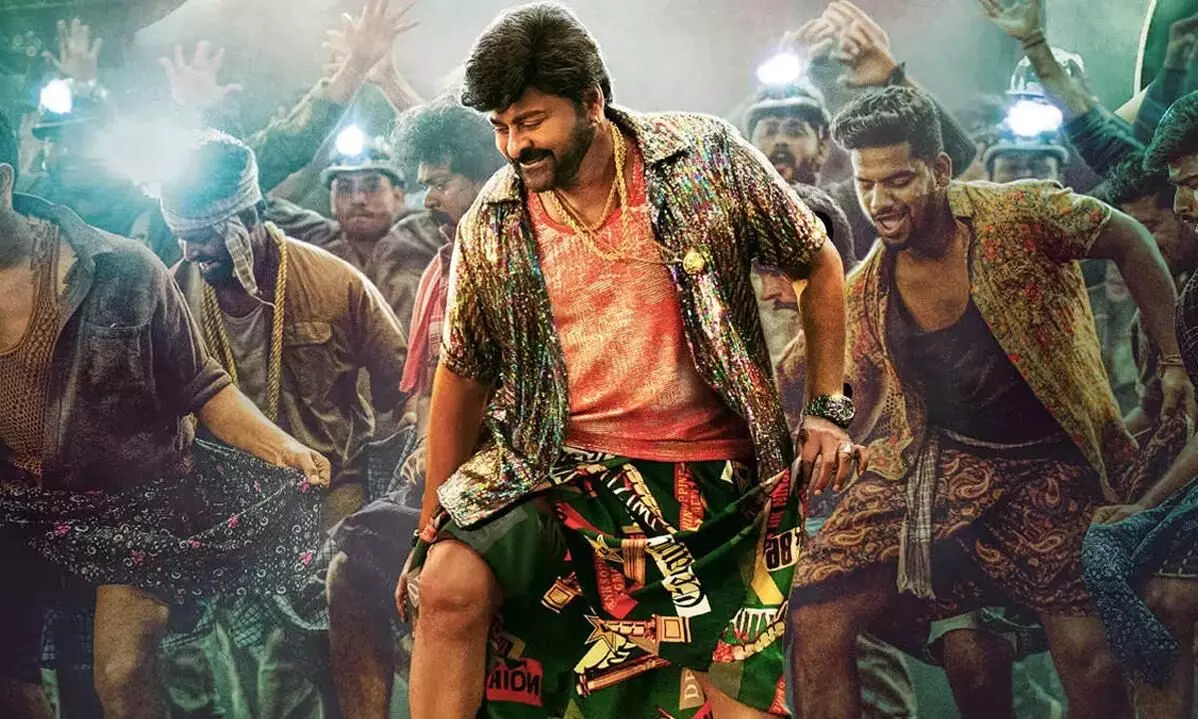
Chiranjeevi is the anchor, and the movie is built around that fact. His Veerayya feels clever and slightly untouchable for most of the ride, like a man who’s already planned three steps.
The performance works best in lighter moments. His comedy timing is easy, not forced, and he sells simple reactions better than many actors sell big speeches. When the film turns emotional, he’s still steady, even if some scenes are written to be broad rather than subtle.
What stands out is how the movie frames him. It gives him space to walk, pause, smile, and let the crowd read the attitude. In a festival-style film, that matters as much as plot logic.
Ravi Teja’s impact: the big boost to energy and entertainment
Ravi Teja’s role is a major reason the second half pops. Without over-explaining who he is or how he fits in, it’s safe to say his presence changes the movie’s vibe.
His comedy has sharper edges, his intensity reads instantly, and the chemistry with Chiranjeevi becomes a highlight. Their shared scenes have a buddy-style charge that the film wisely enjoys for as long as it can.
Many viewers remember the film less for the mission details and more for the combo energy once Ravi Teja steps in. That says a lot about what the movie is selling.
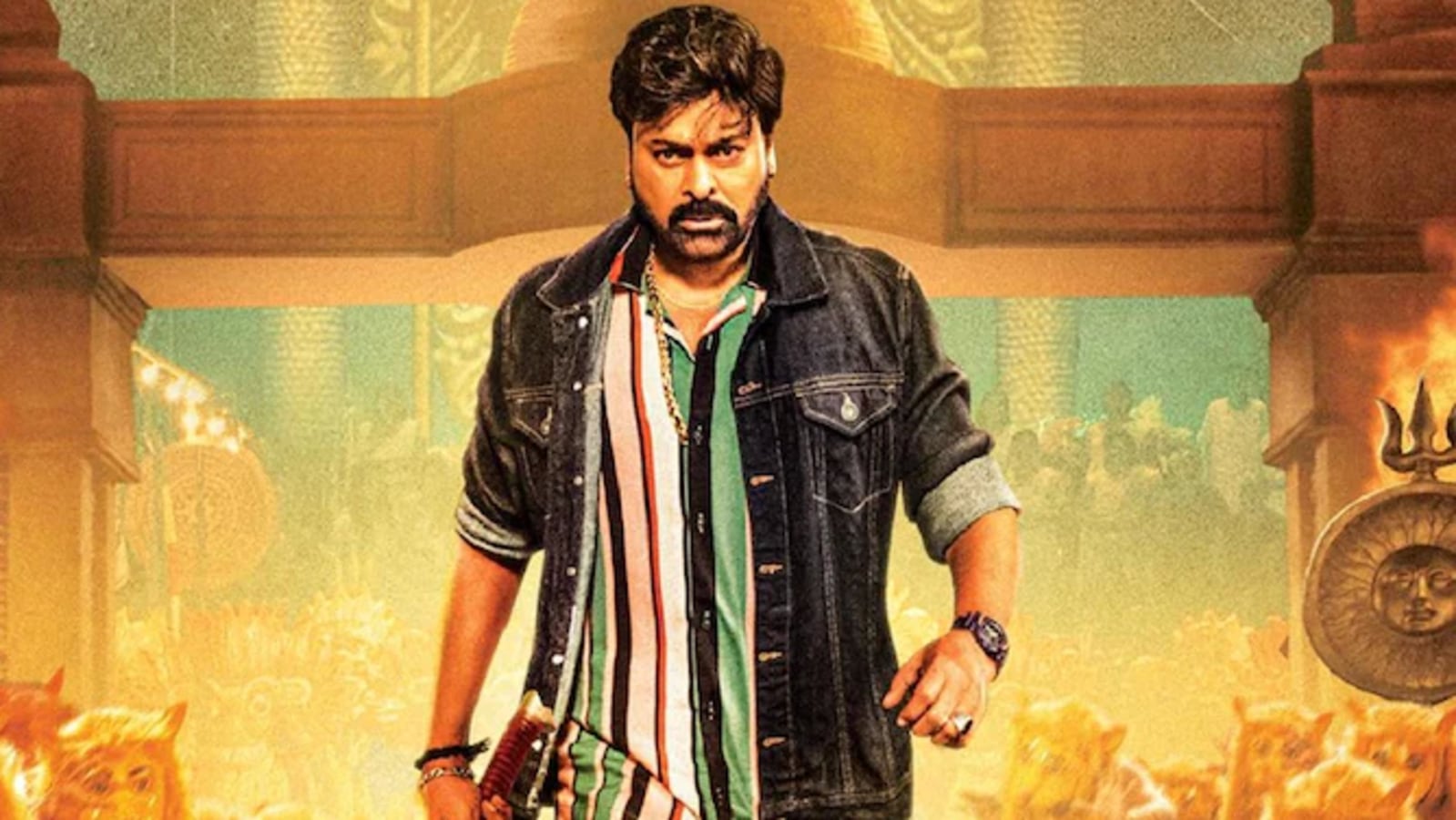
Music and background score by Devi Sri Prasad: songs, dance, and hype
Devi Sri Prasad’s music supports the film’s mood: celebratory, loud, and built for repeat plays. The background score does heavy lifting, pushing hero moments higher and signaling when the audience should clap.
The songs are staged like events. For fans, that’s part of the fun, because Telugu festival movies often treat songs as rewards. For viewers who want tight storytelling, a few placements may feel long.
Still, the soundtrack does what it’s supposed to do here. It keeps the energy from sagging, even when the plot pauses to set up the next big beat.
Action and visuals: set pieces, cinematography, and style over realism
The action scenes are designed for style. Fights come with slow-motion beats, dramatic entrances, and choreography that treats the hero like a moving headline.
Arthur A. Wilson’s cinematography gives the film a glossy, high-contrast look, especially in elevated sequences and night scenes. Locations and lighting often feel larger than the story needs, but that’s part of the “big movie” flavor.
Real-world physics isn’t the goal. The movie wants the audience to enjoy the pose, the punch line, and the payoff shot. Judging it as a masala entertainer is the fairest way to watch.
What could have been better: writing, tone shifts, and villain depth
Even fans admit the film has soft spots. The biggest issue is the writing rhythm. Some scenes feel designed mainly to move the hero from one “high” moment to the next, with less care for natural buildup.
Tone is another mixed area. The film jumps from comedy to serious emotion, then back to punch dialogue. That’s normal in commercial Telugu cinema, but here the shifts can feel abrupt, especially for viewers not used to the format.
The villain setup also feels thinner than it could’ve been. There’s danger on paper, but the film is more interested in showing how Veerayya handles things than in building a scary opponent with layers.
Is the story predictable, and does it matter for this kind of film?
Yes, the story is often predictable. It follows familiar beats: the powerful hero, the hidden past, the mission, the emotional hook, and the crowd-pleasing payoff.
Whether that matters depends on what the viewer wants. In mass cinema, surprise isn’t always the main dish. The main dish is the moment: the entry, the dialogue, the reaction shot, the combo scene that makes the theater roar.
Viewers who enjoy that tradition will likely forgive the safe plotting. Viewers who want fresh storytelling might feel the movie is coasting on star power.
Supporting cast and villains: who stands out, and who feels underused
The supporting cast is packed with familiar faces, and they do their jobs well. Prakash Raj brings authority when the film needs weight. Rajendra Prasad helps the lighter tone land in places, even when the comedy is broad.
Bobby Simha and others fill out the antagonist side, but the film doesn’t always give them enough room to feel fully threatening. Some characters exist mainly to set up hero elevations or comedic reactions, which is common for the genre, but still limits the depth.
For viewers who watch Telugu commercial films often, the ensemble will feel comfortable. For newcomers, it may feel like the movie has more characters than it truly uses.
Conclusion: the verdict on Waltair Veerayya (2023)
As a Waltair Veerayya movie review verdict, the film lands as a festive, crowd-first entertainer powered by Chiranjeevi’s presence and boosted hard by Ravi Teja’s second-half energy. It works best when watched with the right expectations: big hero moments, loud comedy, and style-forward action.
It’s a good pick for Chiranjeevi fans, Ravi Teja fans, and anyone who wants a Sankranti-style Telugu mass movie at home. Viewers who want a fresh plot, subtle performances, or a tighter runtime may want to skip.
For US viewers checking availability, a quick way to confirm current options is a tracker like JustWatch’s Waltair Veerayya page (since streaming catalogs can change). After watching, it’s worth asking: which scene or song stayed in the head the longest, the mass entry, the combo banter, or the emotional payoff?