


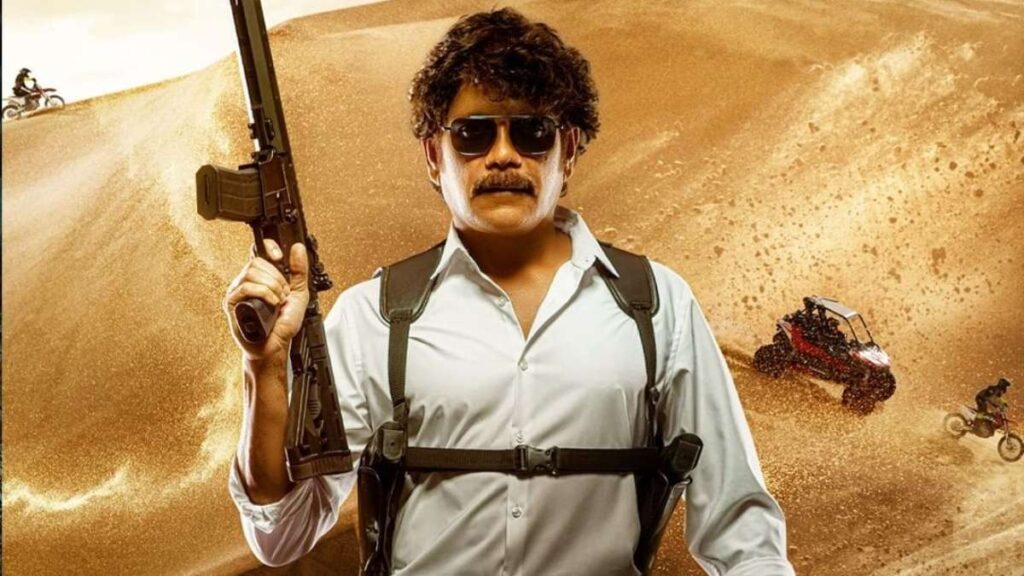
Some action movies feel like a shot of espresso. The Ghost (2022) is closer to that than a slow-burn drama, with a lead who walks into danger like he owns the room and fight scenes that don’t flinch.
This spoiler-light The Ghost 2022 movie review sets expectations clearly. It’s a Telugu action thriller (released in October 2022), directed by Praveen Sattaru, and it’s known for glossy visuals and violent set pieces.
The big question is simple: is it worth watching for the story, the action, or Nagarjuna’s performance? The answer depends on what the viewer wants most from an action thriller.
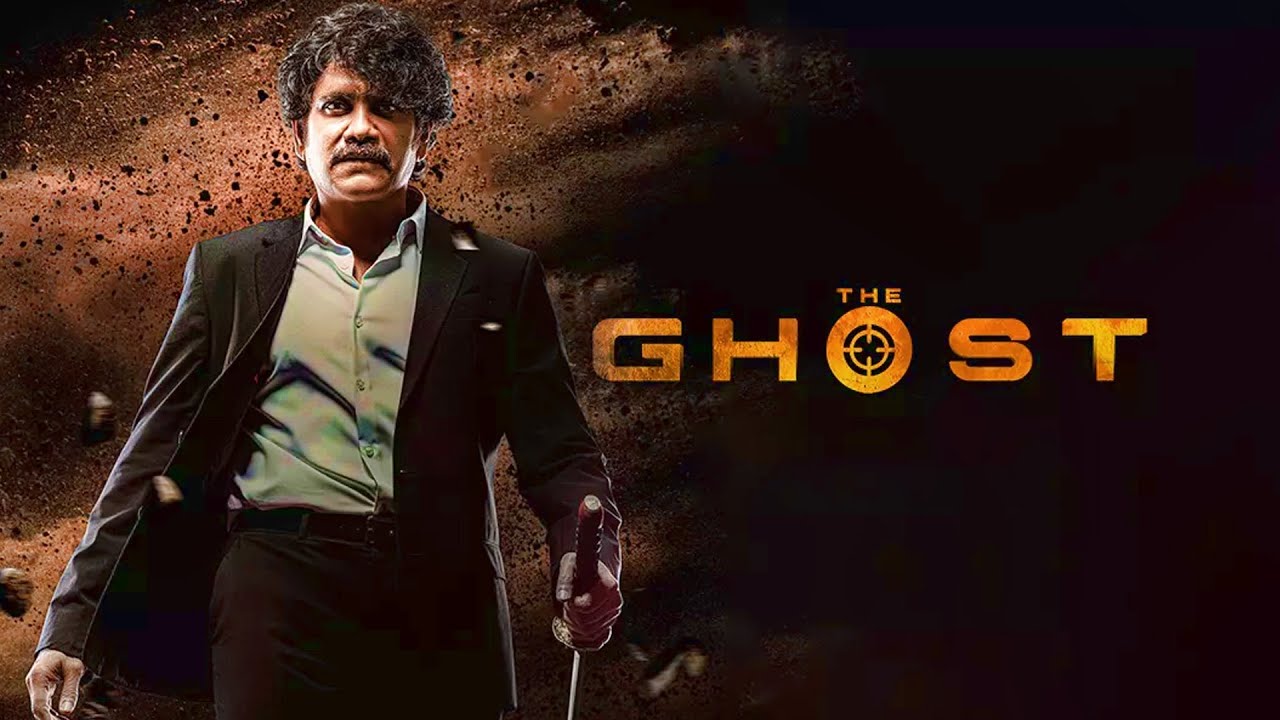

The Ghost (2022) at a glance: what kind of movie is it?
For people searching for quick facts before pressing play, here’s the basic picture.
- Genre: Action thriller
- Language: Telugu
- Director: Praveen Sattaru
- Core setup: An ex-Interpol officer with a dangerous reputation gets pulled back into conflict to protect his family from ruthless criminals.
The tone is slick and hard-edged. The film aims for an international-action feel, but it still sits firmly in the Telugu commercial space with emotional stakes tied to family.
Plot summary in plain English (spoiler light)
Vikram is a man with a past that won’t stay quiet. He carries trauma, guilt, and a reputation that follows him like a shadow. People whisper about him as “Ghost,” not because he disappears, but because when he shows up, things get messy fast.
The central threat hits close to home. His sister Anu and his niece Adithi become targets, and the danger escalates from intimidation to full-on violence. Vikram’s response isn’t just protection, it’s a counterattack.
Priya, tied to Vikram’s earlier life and work, becomes part of the mission as the film moves between personal pain and tactical action. The pacing keeps pushing toward a large finale, stacking confrontations and reveals, without relying on a single twist to carry the runtime.
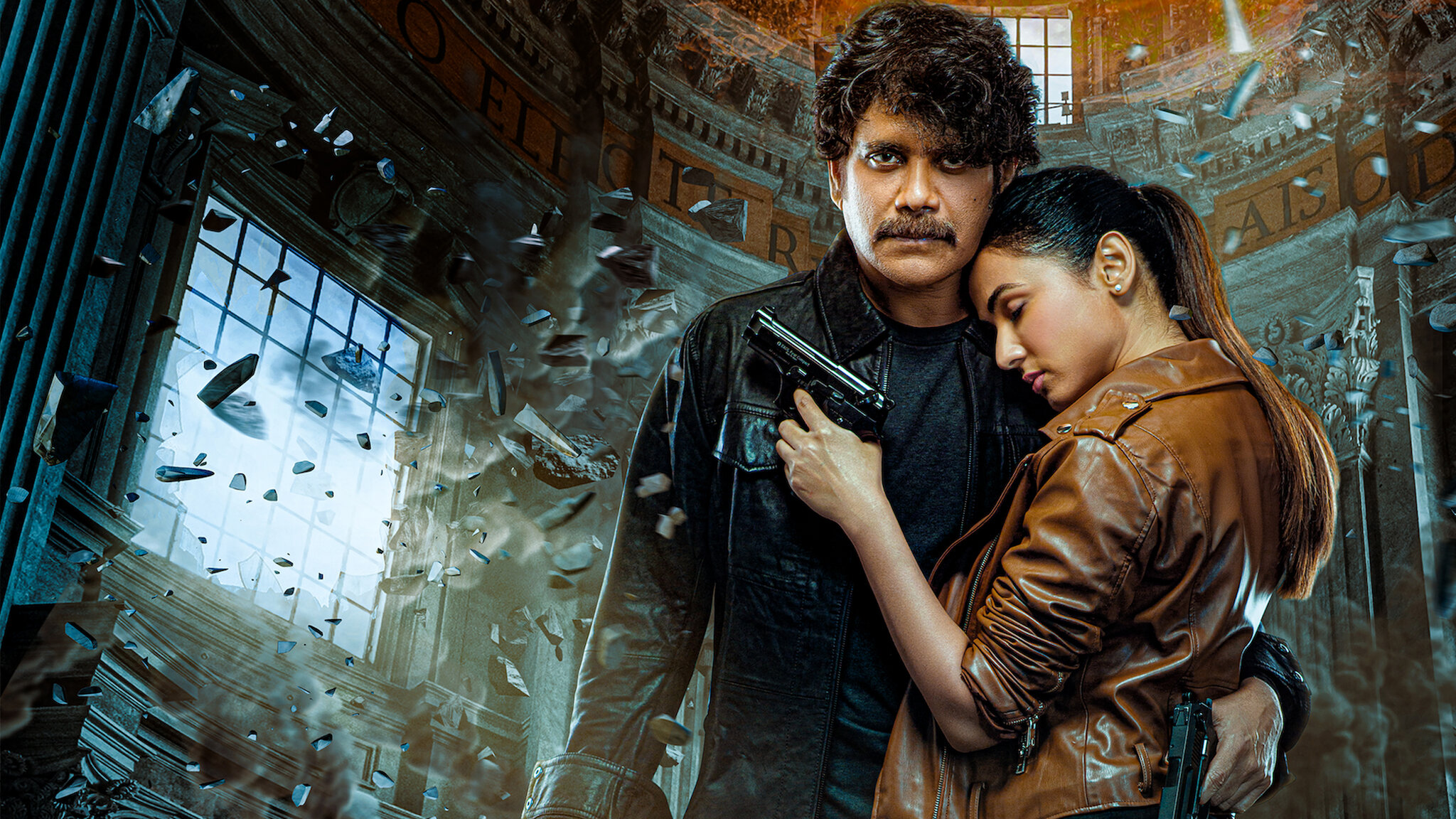

Main cast and characters viewers should know.
The film doesn’t overload the viewer with names, but a few characters matter from start to finish.
- Nagarjuna as Vikram: The center of the film, an ex officer with a lethal skill set and a cold, controlled presence that sells the “Ghost” myth.
- Sonal Chauhan as Priya: A key ally and emotional counterweight, connected to Vikram’s past and the current threat.
- Gul Panag as Anu: Vikram’s sister, the family anchor, and the person whose safety drives many of the choices.
- Anikha Surendran as Adithi: The niece at the heart of the danger, used by the story to raise urgency and push Vikram into action mode.
What works best: action, style, and Nagarjuna’s screen presence
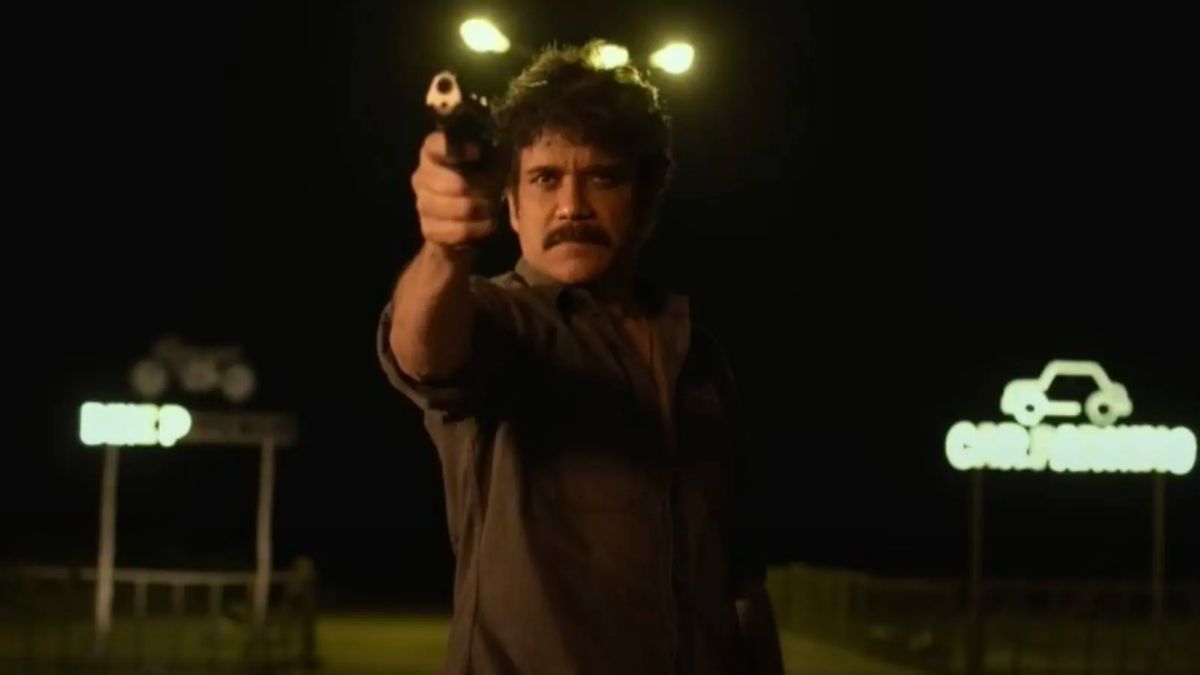
The easiest compliment to give The Ghost is that it looks confident. The camera work, lighting, and staging push a polished action look, the kind that wants to feel global rather than local. Even when the plot feels familiar, the film rarely feels cheap.
Nagarjuna’s performance is a major reason it holds attention. He plays Vikram with restraint, using posture and timing as much as dialogue. The character’s coolness isn’t subtle, but it’s consistent, and that matters in an action thriller. The viewer needs to believe this person can walk into a room full of threats and come out standing.
There’s also a specific flavor to the violence. It’s not playful. It’s meant to sting. That choice will work for some audiences and turn off others, but it gives the film a clear identity.
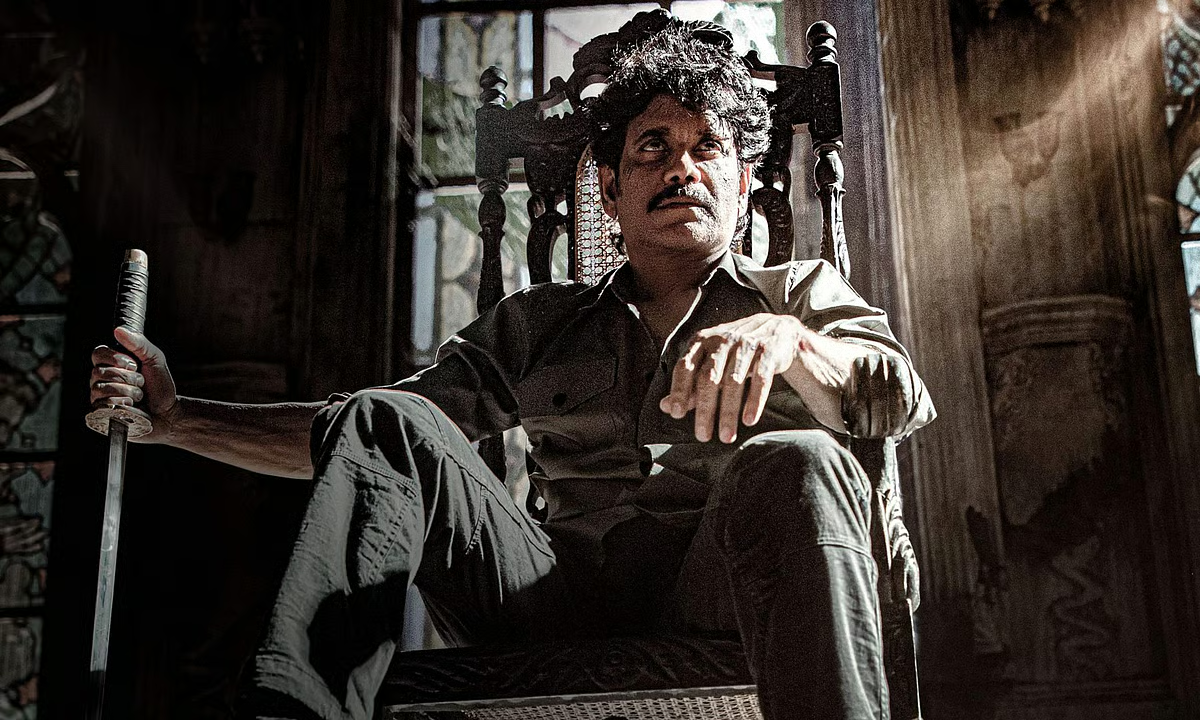

Action scenes and choreography: why they stand out in Telugu cinema
The Ghost leans into high-intensity action: close-quarters fights, gunfire, and fast movement that keep scenes from dragging. The choreography often favors impact over elegance, with hits that look heavy and consequences that feel immediate.
Some viewers compare the vibe to action brands like John Wick or Taken. That comparison mostly comes from the “professional killer energy,” the crisp staging, and the way Vikram moves with purpose, not panic. It doesn’t play like a copy of those films, but it does seem inspired by that style of modern action.
The film also uses “style” as part of the fight language, dark interiors, sharp silhouettes, controlled color, and slick entrances that make Vikram feel larger than the moment. For fans who watch action for the how more than the why, that’s a real selling point.
For streaming-focused viewers in the US, coverage that highlights the film’s action-first appeal (and where to watch) has often pointed to Netflix availability, including this OTT-focused write-up: The Ghost, streaming on Netflix, is a classy actioner with an in-form Nagarjuna.
The church climax and big set pieces (minor spoilers)
The finale is the part most people remember. Without giving away every beat, the last stretch goes for scale: heavier weapons, bigger confrontations, and a “no safe space” feel that ramps up tension. The setting adds mood, and the sequence plays like the film’s promise finally cashing out.
The key point is not the location itself, but the commitment. The movie commits to a loud, violent payoff. Viewers who make it through the slower patches usually get what they came for: a final act that’s built to be talked about.
That said, the intensity is not mild. The action is bloody, and the film doesn’t soften its punches. Anyone sensitive to violence should keep expectations in check.
What does not work: predictable story, logic gaps, and thin character depth
For all its style, The Ghost can feel thin where it counts most for story-first viewers. The plot follows a familiar rescue and revenge path, and it doesn’t spend enough time building emotional weight around the relationships it wants the audience to fear for.
Some character choices also feel convenient. People show up when the script needs them to, and threats sometimes behave in ways that keep the action going rather than making the most sense in the moment. That can be fine in a pure action ride, but it does weaken tension when the viewer starts noticing the shortcuts.
The emotional parts are where the film can feel most rushed. Vikram’s pain is present, but the story often prefers momentum over digging into what that pain really changed in him.

Clichés and a familiar rescue story, whichmayy still enjoy it
The Ghost uses well-known beats: the dangerous man with a past, the family in danger, the villains who underestimate the hero, and the path from protection to payback. None of this is automatically bad; it’s just familiar.
So who will still enjoy it?
- Viewers who watch action films for set pieces, not surprises.
- Nagarjuna fans who want a “star vehicle” where the lead looks powerful.
- Anyone in the mood for a straightforward hero story with a dark tone.
For those audiences, predictability isn’t a deal-breaker. It’s like ordering a burger from a place known for burgers. The point isn’t shock, it’s satisfaction.
Pacing and writing issues, where the movie loses momentum
The pacing can be uneven. Some parts take time to get moving, then the film accelerates hard when it reaches action-heavy stretches. That rhythm can make the middle feel like it’s waiting for the next major fight instead of building suspense between fights.
The writing also juggles side plotting that doesn’t always land with impact. Villain planning, business-like motivations, and setup scenes can feel more functional than gripping. When a film is selling “stylish danger,” the quieter scenes need sharp tension or sharp emotion. Here, they’re sometimes just there to bridge one action chapter to the next.
This is also where logic gaps become louder. When scenes exist mainly to move pieces into place, the viewer may start predicting the next step, which drains surprise and reduces the stakes.
Final verdict: Should someone watch The Ghost (2022)?
The Ghost (2022) is worth it for action fans, mixed for story lovers.
A simple rating style fits best here:
- Action and style: Strong
- Story and emotion: Average to weak
- Overall: A solid one-time watch for the fights and Nagarjuna’s presence
As of January 2026 in the US, streaming availability has been associated with Netflix (availability can change, so checking Netflix directly is still smart). Audience reactions remain split, with plenty of praise for the action and plenty of frustration with the writing. IMDb user commentary has reflected that same divide, even when viewers agree the film looks good and moves with confidence during set pieces.
For people who like quick pros and cons before committing, this is the cleanest summary.
Pros
- Nagarjuna brings calm, controlled intensity that suits the role.
- Several action sequences feel ambitious and punchy.
- The final act delivers a big, violent payoff.
Cons
- The plot feels familiar, and twists don’t hit hard.
- Some emotional beats don’t feel earned.
- Pacing dips and logic gaps can distract.
Rotten Tomatoes is also a common checkpoint for US viewers, but search results have not consistently shown an official Rotten Tomatoes score for this title, so it’s best to set expectations based on viewer chatter and reviews instead of waiting for a consensus number.
For a more mainstream review snapshot and how critics framed the film’s strengths and weaknesses, readers can compare this take with The Ghost Movie Review (Times of India).
Conclusion
The Ghost (2022) sells style and violence first, and it delivers on that promise more often than not. Nagarjuna gives the film its backbone, and the action is staged with real intent, especially in the finale. The trade-off is a predictable story and thin emotional writing that won’t satisfy viewers who want depth with their gunfire. If the action worked, which set piece hit the hardest, and does story matter as much when the hero is this cool?