



Some movies try to entertain you for a few hours. Srimanthudu (2015) tries to send you back to your day with a slightly better mood, and a small nudge to do something useful.
This Telugu social drama, led by Mahesh Babu, still gets searched because it sits in a sweet spot. It’s star-driven, family-friendly, and built around a message that’s easy to understand: money doesn’t mean much if you don’t know what you’re living for. Add strong repeat-watch comfort, glossy songs, and a second half that aims straight for the heart, and you can see why it stayed in pop culture.
This is a spoiler-free Srimanthudu movie review covering the story setup, themes, acting, direction, music, pacing, and who it’s best for.

Srimanthudu movie review in one minute (quick verdict and rating)
Srimanthudu is a warm, message-led commercial film that mixes class, emotion, and a village-centered story without getting too heavy. It doesn’t chase surprises, but it does aim for sincerity, and it often lands.
Mahesh Babu carries the film with calm charisma, while the village portions add that “settle in and watch” feeling many people want from a weekend movie. The first half can feel slow and familiar at points, but the later stretch has stronger emotional pull.
Rating: 3.5/5
Best reasons to watch (spoiler-free):
- A clear social message that stays easy to follow
- A more emotional second half that builds payoff
- A clean, family-friendly tone with broad appeal
Main drawbacks:
- The first half pacing drifts in places
- The story beats can feel predictable if you’ve watched many message films


Who should watch Srimanthudu, and who can skip it
Srimanthudu works best when you meet it where it is: a feel-good drama with action and sentiment, not a twist-heavy thriller.
You’ll likely enjoy it if you’re:
- A Mahesh Babu fan who likes him in calm, “do the right thing” roles
- Watching with parents or kids and want something clean and safe
- Into films that treat community, roots, and responsibility as the main hook
You can skip it, or at least temper expectations, if you want:
- Tighter pacing with fewer “setup” scenes
- Villains with fresh writing and deeper layers
- A plot built on surprises rather than a straight road to the finish

Story and themes (spoiler free): purpose, roots, and village adoption
At its core, Srimanthudu is about a man who has everything on paper, yet feels oddly unfinished inside.
Harsha Vardhan is the heir to a wealthy business family. He lives in comfort, has status, and could easily step into the empire waiting for him. Still, he’s restless. That quiet emptiness is the starting point, and the movie treats it like a real problem, not a luxury complaint.
Then comes Charuseela, a rural development student, who talks about villages not as “backward places,” but as living communities that deserve the basics. Through her, Harsha’s focus shifts from personal success to something more grounded. He connects with the village of Devarakota and decides to adopt it, not as charity, but as responsibility.
The themes are simple but strong:
- Purpose over pride: What’s the point of success if it’s only personal?
- Roots and belonging: Identity isn’t just family name, it’s what you stand for
- Privilege with accountability: Power can build, not just control
The film also sets up conflict through local crime and political influence. It keeps reminding you that building change isn’t only about money, it’s about facing the people who profit from things staying broken.
If you want a quick factual snapshot of the film’s credits and release details while reading, the Srimanthudu overview on Wikipedia is a useful reference.
What makes the plot work, and where it feels predictable
The plot works best when it stays focused on a clear goal: one person choosing to commit, then learning what commitment actually costs.
What lands well:
- A straightforward emotional engine (searching for meaning)
- Village scenes that show small wins and shared pride
- A lead character who isn’t “saved by love,” but pushed by values
Where it can feel familiar:
- Some early scenes take time to lock in momentum
- The conflict structure follows patterns many commercial dramas use
- Certain villain beats feel more functional than fully lived-in
If you’re the kind of viewer who enjoys comfort food movies, predictability won’t ruin it. It’ll feel like a known recipe cooked with care.


Performances and characters: Mahesh Babu, Shruti Haasan, and the supporting cast
Mahesh Babu as Harsha Vardhan is the film’s steady center. He doesn’t play Harsha as loud or flashy. Instead, he leans into composed body language, controlled emotion, and a “listen first” vibe. That choice fits the story, because Harsha isn’t trying to prove he’s strong. He’s trying to prove he’s useful.
His performance also helps the message feel less like a lecture. When the film asks you to care about roads, schools, and dignity, Mahesh sells it by staying grounded.
Shruti Haasan as Charuseela brings energy and warmth, and she works well as the spark that points Harsha toward a bigger purpose. Where the writing holds her back is in how often her role becomes more about influencing him than pushing her own path. Still, she holds her scenes with confidence, especially in the lighter moments, and her presence helps the first half stay breezy.
Jagapati Babu, as the father figure, gives the film much of its emotional weight. His character isn’t just there to argue with the hero. He represents a different idea of success: build wealth, protect family, avoid unnecessary fights. The tension between father and son feels believable, because it isn’t built on hatred. It’s built on fear, pride, and love that doesn’t always speak clearly.
For the antagonists, actors like Sampath Raj and Mukesh Rishi play their parts with conviction. The issue is less about acting and more about writing. The villains serve the story’s mission, but they don’t always feel as layered as the family conflict, which is the film’s strongest human thread.
Standout moments and emotional beats that stay with you
Srimanthudu sticks in memory less for “what happened,” and more for “how it felt.”
The emotional high points usually fall into three types of scenes:
- Family value moments where love shows up as pressure, not praise
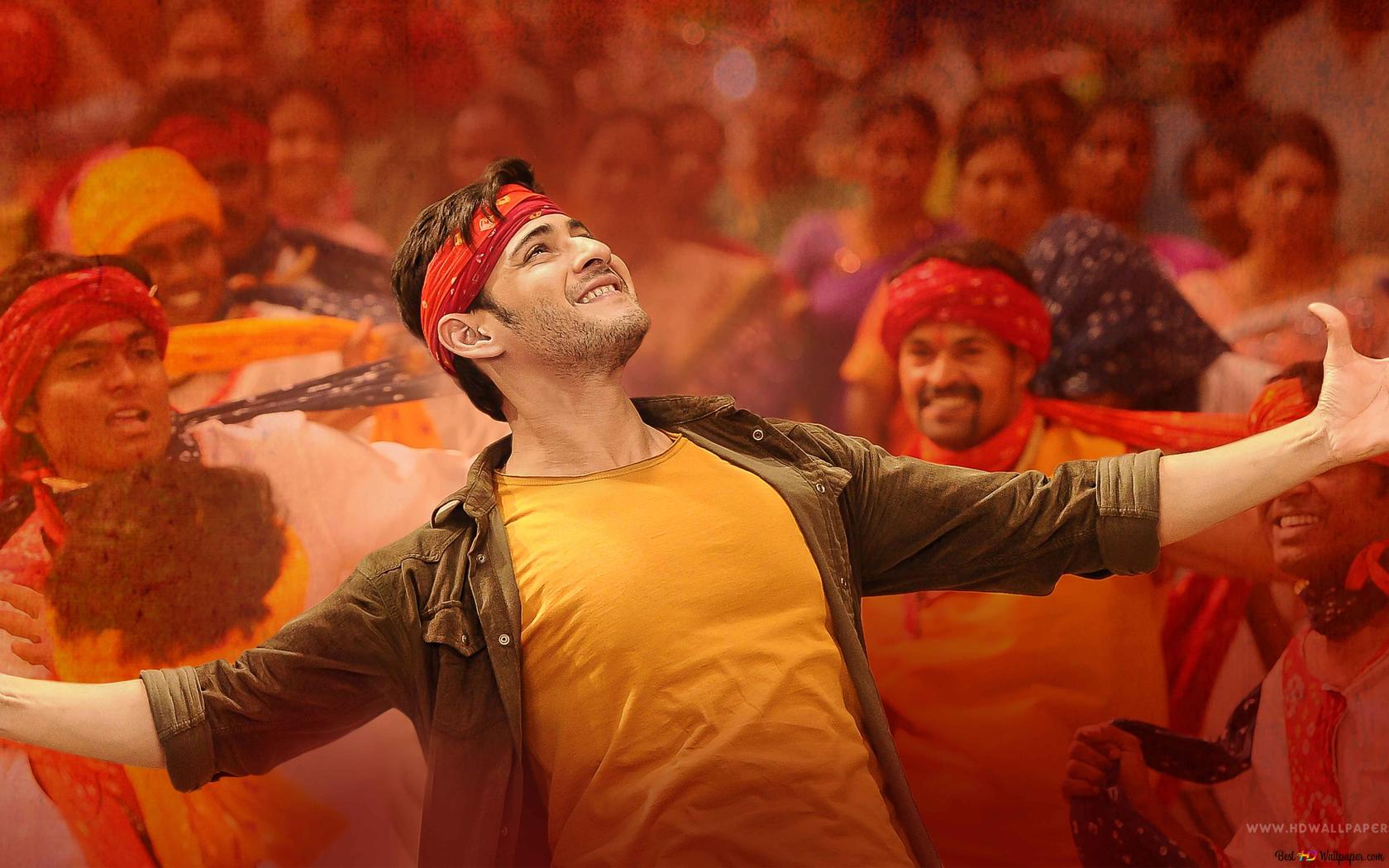
- Village unity scenes where a crowd becomes a community
- Personal sacrifice beats that quietly ask, “What would you give up?”
This is also why people often say the second half hits harder. The movie spends time setting up relationships and ideals, then it starts testing them. The payoff isn’t just in action scenes, it’s in watching choices carry consequences.


Direction, music, visuals, and pacing: how the film feels overall
Director Koratala Siva tells Srimanthudu in a clean, mainstream style. The storytelling isn’t experimental, but it is readable. You always know what the hero wants, what’s blocking him, and what the movie wants you to feel in a scene.
The message can feel on-the-nose in a few places, mainly when characters say the theme out loud instead of letting the situation show it. Even then, the film usually balances it with emotion or humor so it doesn’t become a speech marathon.
Music and background score play a big role in why Srimanthudu is rewatchable. The songs are placed like breathers, giving you a break from conflict and letting the film stay glossy and upbeat. The background score leans into uplift and sentiment, which fits the village-development mood.
Visually, the film looks polished. The city portions feel wealthy and controlled, while the village setting feels open and sunlit, which supports the “back to roots” idea without needing fancy symbolism. You can tell the movie wants the village to feel like a place worth fighting for, not a prop.
Pacing is the trade-off. The first half takes its time with setup, romance, and mood. The later portions feel more focused because the stakes become clearer and the emotional pressure rises. At about 2 hours and 39 minutes, it can feel long if you prefer tighter scripts, but it’s comfortable if you enjoy slow-build dramas.
Family friendly factor and rewatch value
Srimanthudu is a solid pick for a family movie night, especially if you want something that doesn’t rely on shock or adult content to hold attention. It’s generally appropriate for teens and up, and older family members often connect with its respect-for-roots tone.
The rewatch value comes from three things:
- Comfort viewing: it’s easy to follow even if you miss a scene
- Emotional reassurance: it’s built to leave you hopeful
- Message that ages well: community and responsibility don’t go out of style
If you’re in the US and want to check current viewing options, streaming rights change often. A practical starting point is Moviefone’s “where to watch Srimanthudu” page, which tracks platforms over time.
Conclusion
As a Srimanthudu movie review verdict, this one’s easy: it’s a sincere, star-led social drama that trades surprise for comfort. The biggest positives are Mahesh Babu’s steady lead performance, the village emotion, and a message that stays clear. The biggest negatives are a slower first half and a few familiar story beats.
If you like family-friendly films with heart and a purpose-driven hero, Srimanthudu is a good watch. Do you prefer message-driven movies like this, or tighter entertainers with quicker pacing? Share your favorite scene or song (spoiler-free).