



Racharikam (2025) Review: Power, Passion, and a Political Freefall
The Telugu political drama Racharikam (2025) is a raw and gripping look at village politics in the 1980s. Set in the crime-ridden fictional region of Rachakonda, the film, written and directed by Suresh Lankalapalli, mixes political power struggles with family drama and a forbidden love story. The plot itself feels familiar at times, and the pacing slips here and there, but strong performances and solid technical work give the film its edge.
At the heart of the story are the Reddy siblings, Bhargavi (Apsara Rani) and Vivek (Varun Sandesh). They belong to a powerful political family and want full control over their area. Their plans start to fall apart when Shiva (Vijay Shankar) enters the picture. Shiva is a fiery and honest youth leader from a rival group, the Mana Sakthi Party, working under the guidance of seasoned RSF leader Kranthi (Eshwar).
Bhargavi and Shiva fall in love, and that secret relationship lights the fuse for the coming war. When Bhargavi’s father, Raja Reddy (Srikanth Iyengar), learns that his daughter loves a man from the opposition, the stakes shoot up on both personal and political fronts. What follows is a series of betrayals, bloody clashes, and calculated moves for control, as the siblings fight to keep their grip on power and on each other.

Racharikam Performances: The Film’s Strongest Pillar
The cast carries Racharikam with real force. Varun Sandesh gives one of his best performances as Vivek Reddy, a sharp and driven politician. He brings a hard edge and focus to the role, showing how Vivek shifts from being a family member to a full-time political player. The change feels natural and hits hard during key moments.
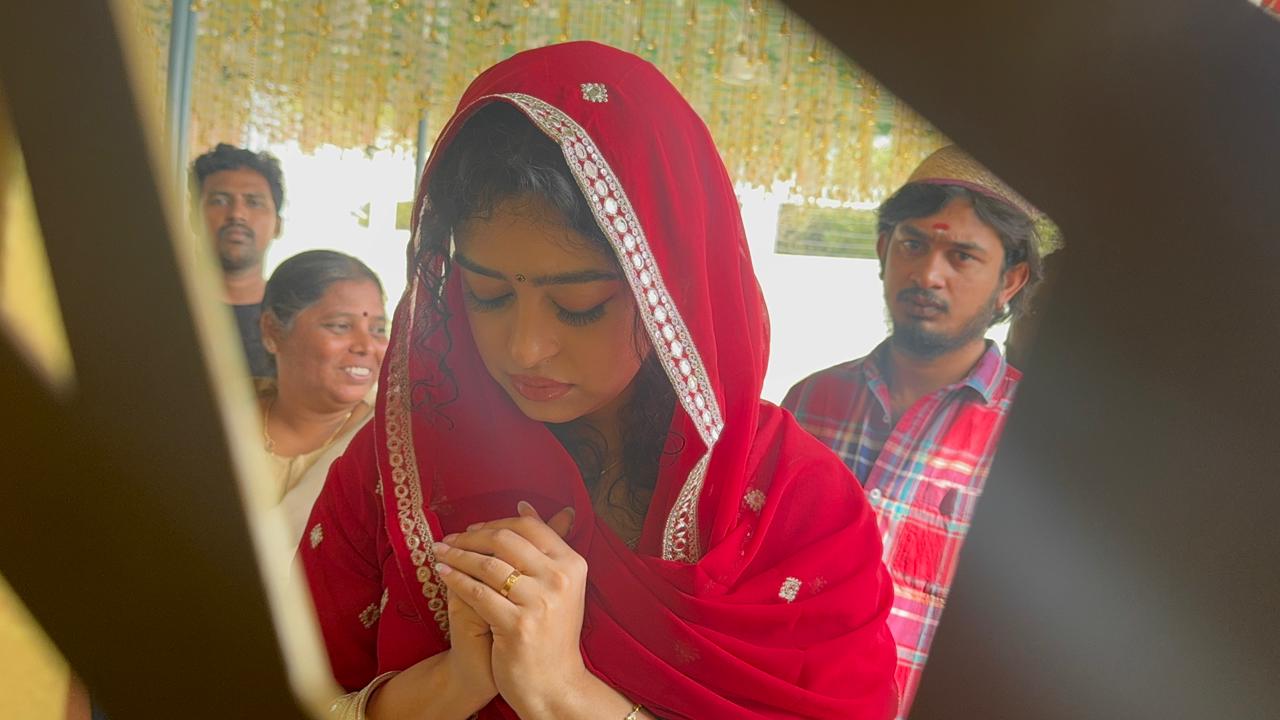
Apsara Rani shines as Bhargavi Reddy. Her character has clear layers, and she handles them with ease. She is at once a loyal daughter, an intense lover, and a hungry political aspirant. Her presence on screen is strong and confident, and she earns several clap-worthy moments, especially when Bhargavi is pushed into a corner and decides to fight back in her own way.
Vijay Shankar brings warmth and intensity to Shiva, the honest youth leader who stands against the Reddys’ hunger for power. His performance becomes the emotional center of the film. The friction between his ideals and their ambition feels real. His quiet anger, along with his chemistry with Apsara Rani in the first half, makes the love track believable instead of forced.
The supporting cast adds weight to the story. Eshwar plays Kranthi, Shiva’s mentor, with conviction, while Vijaya Rama Raju as Bai Reddy brings a solid sense of menace. Together, they help build a convincing world of party loyalties, rivalries, and old grudges in Rachakonda.


Technical Strengths and Confident Direction
In his debut, director Suresh Lankalapalli handles this wide political story with clear control. The first half is especially sharp, with a crisp and engaging narration that balances drama, romance, tension, and action. The 1980s Telangana village setting feels lived-in and real, not like a backdrop put there for style.
On the technical front, Racharikam stands out. Arya Sai Krishna’s cinematography captures the dusty, tense mood of the village along with the simmering violence underneath. The frames are thoughtful and atmospheric, and they help sell the sense of danger surrounding every political move.
Production design and costumes support the story well. The houses, party offices, streets, and outfits match the period and region, which helps the viewer stay engaged in the world on screen.
Vengi’s music and background score are key strengths. The background score lifts the emotional and action scenes without feeling too loud or forced. Songs like “Yem Mayani” and “Maula Maula” are shot well and blend into the story instead of stopping it. For a political drama, that kind of song placement is rare and welcome.

Verdict: Engaging Political Drama With a Familiar Path
Where Racharikam stumbles is in the second half and in how familiar its main story feels. The core idea, forbidden love triggering a political war between rival families and factions, is something Telugu audiences have seen many times. After a tight and high-impact interval, the screenplay in the latter half becomes a bit predictable and, at times, slow.
Some scenes stretch longer than they need to, and a few character turns could have used more depth or surprise. The movie hints at complex politics and shifting loyalties, but often returns to a safer, well-worn track. Because of that, it stops just short of becoming a standout political thriller.
Even with these issues, Racharikam still works as an engaging watch. The performances, especially from Varun Sandesh and Apsara Rani, keep the drama intense and grounded. The film delivers strong confrontations, emotional blow-ups, and gritty action, all wrapped in a believable rural power struggle.
For viewers who enjoy political dramas with solid acting, good technical values, and a raw village backdrop, Racharikam is worth their time. It may not reinvent the genre, but it does a firm job of showing how far people will go to win and hold on to power, and how costly that pursuit of “racharikam” (kingship) can be in a small but ruthless world.