


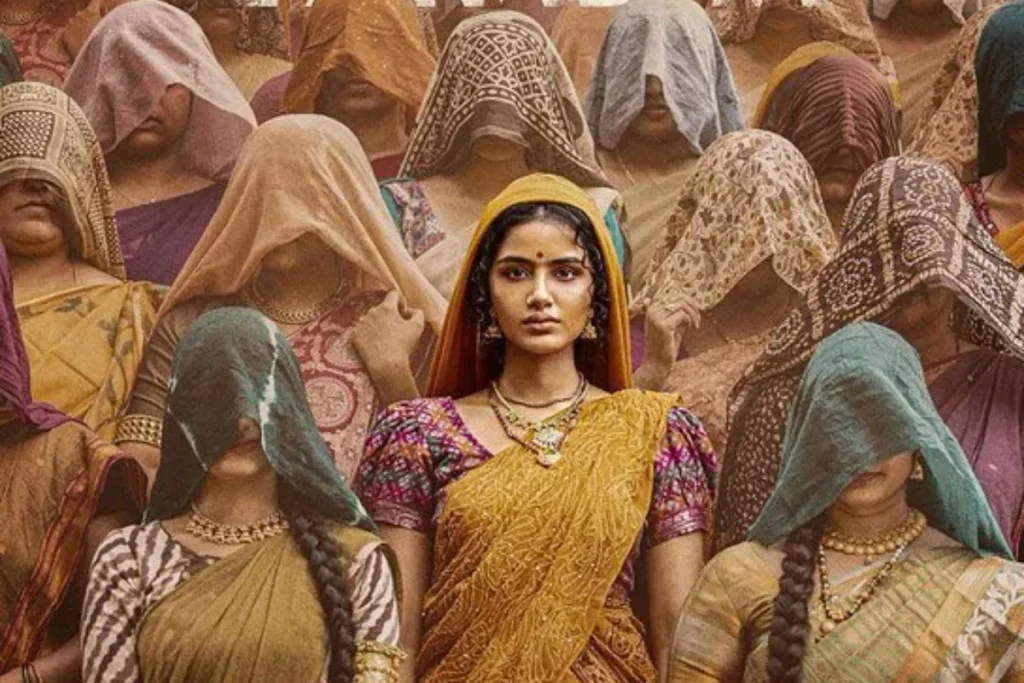
In Telugu cinema, where star-driven action films usually grab the spotlight, Paradha slips in as a quiet yet stubborn voice. It is a woman-led drama that questions superstition and control over women, instead of celebrating hero worship. Directed by Praveen Kandregula (Cinema Bandi, Subham), this 2025 film runs about 2 hours and 25 minutes and features Anupama Parameswaran, Darshana Rajendran, and Sangeetha Krish in key roles.
The movie was released in theaters on August 22, 2025, and then arrived on Amazon Prime Video on September 12. It tells the story of a veiled woman in a conservative village and the weight of tradition on her life. Paradha has an IMDb rating of 6.0 and drew mixed reactions. Many viewers appreciated its bold idea but felt the execution was uneven. It did not perform well at the box office and cannot be called a commercial success, yet its subject and emotional core stay with viewers who care more about strong themes than loud spectacle.

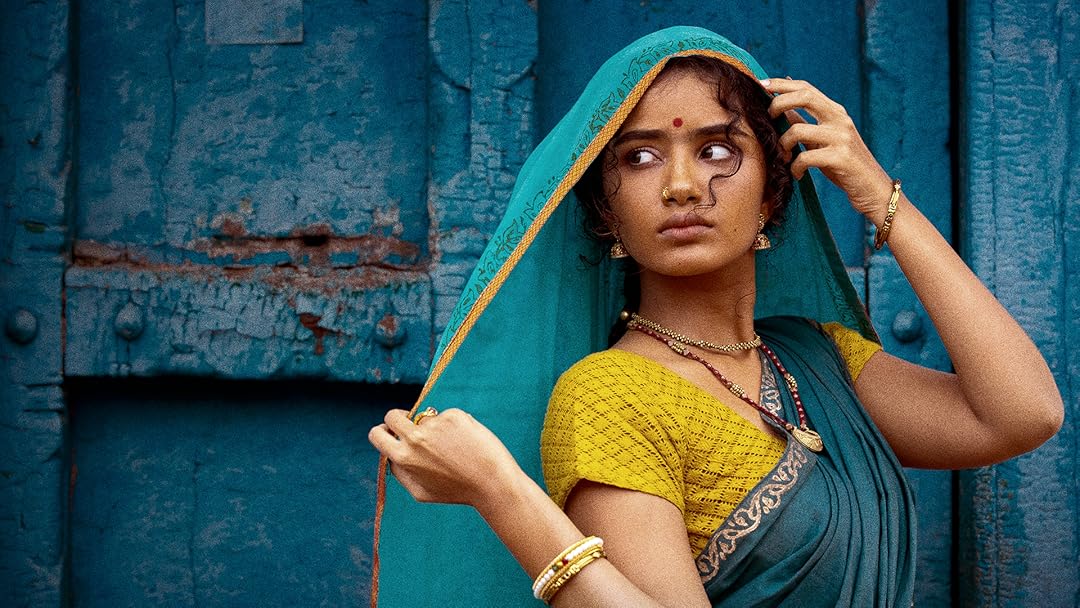
Plot: From Silence to Self-Assertion
Paradha (which means “veil” in Telugu) is set in a fictional village in the Telugu states. In this village, women must cover their faces with a veil called a “paradha” to please a local deity and avoid a supposed curse. This rule, rooted in folk stories shown through striking puppetry in the opening scenes, is not treated as simple blind belief. It is framed as a control tactic that hides behind the excuse of protection, or as the tagline says, “in the name of love.”
At the center of the story is Subbalakshmi, known as Subbu (Anupama Parameswaran), a sincere and obedient young woman. Her life turns upside down when a photo of her uncovered face mysteriously appears in a national magazine. Overnight, the village brands her a sinner. She is blamed for inviting the curse on the entire community. Rumors swirl that she must perform Sati (self-immolation) to restore honor, and she faces harsh judgment and isolation.
To clear her name, Subbu decides she has to find the photographer who took the picture and prove that she did not break the rules on purpose. She sets out on this dangerous trip with her aunt Rathnamma (Sangeetha Krish), a widow made tough by grief, and Ami (Darshana Rajendran), a no-nonsense engineer from Delhi who is tired of superstition and double standards. Ami’s blunt city mindset clashes with the village’s strict beliefs, which sparks both conflict and humor.
What follows is a mix of road movie and drama, with hints of the supernatural. Outsiders from the city question long-held customs, a strange event that feels almost magical gives Subbu a brief chance to change how people see her, and old secrets about the village slowly come out. Kandregula, along with writers Poojitha Sreekanti and Prahaas Boppudi, pulls from real issues like gender bias and cultural control in rural India.
Major story points, such as Subbu’s direct face-off with the truth behind the curse and the slow tightening of the bond between the three women, build toward a final act that connects folklore with a feminist awakening. At times, though, the script wanders. Convenient twists pop up to move things along, which weakens the tension. The second half feels stretched, turning what could have been a sharp 2-hour story into what some might see as a 145-minute lecture.
As Subbu travels across the country in search of the person behind the photograph, she not only fights to save her own reputation but also tries to protect her community from the fear that grips it. Alongside Rathnamma, who starts as a guardian of tradition, and Ami, who questions everything loudly, Subbu starts to uncover the origins of the veil. Through this, she finds her own voice and strength. The journey weaves in mysticism, folklore shown through puppet performances and classic road-trip tropes to highlight sisterhood and collective defiance against deep-rooted patriarchy.
Paradha Cast and Crew
- Director: Praveen Kandregula
- Writers: Praveen Kandregula, Poojitha Sreekanti, Prahaas Boppudi
- Producer: Ananda Media
- Music: Gopi Sundar (includes tracks like “Yatra Naryasthu” and “Yegareyi Nee Rekkale”)
- Cinematography: Mridul Sujit Sen
- Editing: Dharmendra Kakarala
Key Cast
- Anupama Parameswaran as Subbu
Plays the lead, praised for showing a gradual shift from fear and obedience to inner courage. Her eyes do most of the talking, especially when her face is covered. She carries scenes that demand emotional honesty without going over the top. - Darshana Rajendran as Ami
Returns to Telugu cinema after roughly ten years and brings sharp humor mixed with sensitivity. Her reactions to the village’s “old rules” add clever punchlines, while her personal history deepens the sense of solidarity among the women. - Sangeetha Krish as Rathnamma
Adds weight to the story as the caring but conflicted aunt. Rathnamma’s movement from someone who upholds tradition to someone who stands by Subbu’s fight is moving, shaped by her own silent pain. - Rag Mayur
Appears in a supporting part, playing a village figure with a hint of menace, though the role does not fully use his range, especially for those who liked his work in Kandregula’s earlier projects.
The film runs around 143 to 145 minutes and holds a UA 16+ rating, which means it is intended for viewers older than 16.

Paradha Performances: Strong Leads in a Familiar Setup
Paradha gains most of its power from its three main actors. Anupama Parameswaran delivers what many call a landmark performance in her career. As Subbu, she starts as a quiet believer in village customs, then slowly grows into someone who questions and resists them. Much of her expression is in her eyes and body language, which viewers see even when tradition keeps most of her face hidden. Critics have described Subbu as one of the most fully realized female characters of 2025 in Telugu cinema, and Anupama meets that standard in scenes that demand both pain and quiet strength.
Darshana Rajendran’s Ami adds spark and rhythm to the film. Her comic timing is sharp, and she brings a dry wit to conversations about “age-old practices.” Those light moments help balance the heavier parts of the script. At the same time, Ami’s own emotional journey builds a stronger sense of sisterhood, rather than leaving her as just the city outsider who mocks village life.
Sangeetha Krish’s Rathnamma adds emotional grounding. Her character begins as someone who believes in the veil and follows the rules, yet she carries traces of past hurt. As she starts to support Subbu and push back against those same customs, the shift feels affecting. Her quiet sorrow and warmth keep the film from feeling too abstract or symbolic.
The men in the film serve more as background forces than fully shaped people. Rag Mayur brings a bit of threat as a village elder, but gets too little screen time. Subbu’s father represents rigid patriarchy with his stubborn and harsh stance, yet the writing keeps him one-dimensional. Overall, the male characters function mainly as obstacles or mirrors, which pushes the focus toward the women but also risks making the world feel slightly one-sided.


Themes: Sharp Feminist Bite, Heavy-Handed Delivery
Praveen Kandregula does not hold back on the film’s stance. Paradha clearly supports women’s rights and collective strength. It questions how customs like the paradha, shown as a Hindu village ritual, are used to confine women while pretending to protect them. This angle sparked online debates around how close the film feels to present-day practices.
The story touches on body autonomy, the power of questioning myths, and the impact of shared resistance. Lines like “A tradition designed to cage them, fearing predators outside” hit hard and stay with the viewer. The final act uses sound, visuals, and emotional payoff to underline the message that personal choice matters more than blind obedience. It quietly asks audiences to think about what they give up in their own lives in the name of social approval.
At the same time, the film often spells out its points instead of trusting the audience to catch them. Several scenes pause the story so characters can deliver explanations about patriarchy, faith, or fear. Conflicts sometimes wrap up through long speeches rather than clear actions, which can feel shallow. As one social media viewer joked, Paradha “had the chance to shake up TFI norms but ends up preaching every 10 minutes.”
Even with that flaw, Paradha still feels like a needed break in 2025, a year crowded with macho spectacles like Coolie and War 2. It invites viewers to think about how women across India face different versions of the same control, whether in villages or cities.
Technical Aspects: Strong Visuals, Uneven Music, and Pace
Mridul Sujit Sen’s camerawork is one of the film’s biggest strengths. The visuals capture the dusty charm of the village and the stifling feel of life behind a veil. Warm, golden frames draw attention to cloth, shadow, and distance, giving a sense of how the women’s world is limited by rules. Wide rural shots contrast sharply with hectic city scenes, underlining the divide between old and new ways of living.
Gopi Sundar’s music shines in some key sequences, especially the tracks “Yatra Naryasthu” (with lyrics by Vanamali) and “Yegareyi Nee Rekkale.” In those moments, the score heightens the emotional stakes. At other times, the songs feel placed for the sake of it, cutting into the story’s flow and slowing the momentum.
Editor Dharmendra Kakarala keeps the first half fairly tight, with a good balance between humor, tension, and character building. The second half, however, loosens up and begins to drag. Some scenes repeat the same ideas, and the pace dips whenever the film leans too hard into explanation.
Ananda Media delivers a modest yet polished production. The use of puppetry to narrate folklore adds a strong visual hook and connects the story’s modern thread with its mythic roots. The sets and costumes feel lived-in rather than flashy, which supports the grounded tone.
Final Verdict: Flawed Yet Important
Paradha is not a perfect film. Its slow-burning storytelling and habit of spelling out every message keep it from greatness. Still, it stands as an important piece of Telugu cinema that centers women’s experiences, placed alongside titles like Telusu Kada and The Girlfriend.
Anupama Parameswaran’s standout performance, the chemistry between the three central women, and the film’s fearless take on control and superstition give it lasting impact. Many critics and viewers settle on a fair 3 out of 5 rating, seeing it as a film that matters even if it stumbles. Fans have called it “award-worthy” and pushed for a wider release across India.
For viewers who feel worn out by formula-heavy mass entertainers, Paradha offers a thoughtful alternative. It asks tough questions about conformity and honor, and peels back the truth behind so-called protective customs. In a crowded 2025 release calendar, Paradha adds a necessary thread: sometimes the real curse is not a deity’s anger, but a society that punishes women for simply wanting to be seen.
Those who want to watch it can stream Paradha on Prime Video. For trailers or rare theatrical shows, platforms like BookMyShow or Fandango are the best places to check. If someone means a different “Paradha 2025,” they would need to specify, since this one is very much the Telugu film that pulls the veil off old beliefs.