
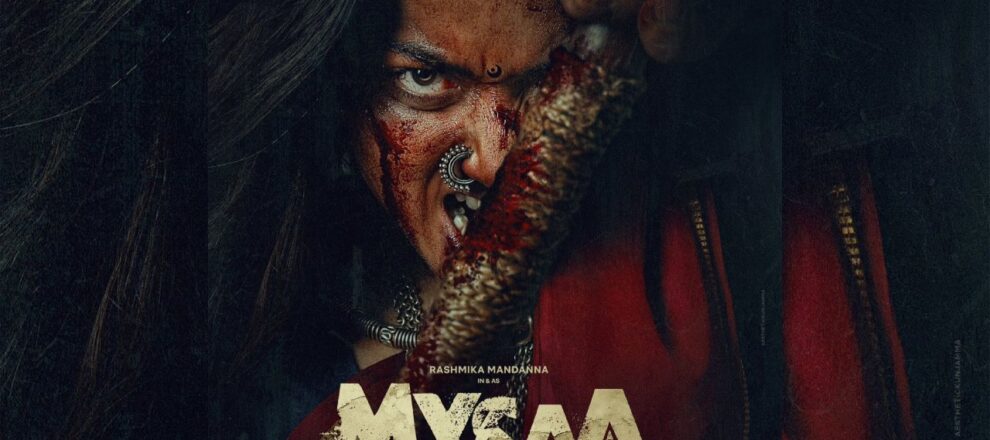
Mysaa (2025): A Raw, Relentless New Force in Indian Cinema
In a year packed with big-budget sequels and star-heavy blockbusters, Mysaa stands out as something very different. This is a fierce, female-led period action thriller that puts a woman’s anger, grief, and strength at the centre of the story. Directed by first-time filmmaker Rawindra Pulle, the film gives Rashmika Mandanna her boldest and most demanding role so far, throwing her into the Gond tribal world with striking intensity.
With a global theatrical release set for 1 December 2025, Mysaa looks set to be more than just another big release. It feels like a statement. The film mixes emotional depth with full-blooded action and aims to push how female protagonists are written in Indian cinema. Running at around 2 hours 20 minutes, it arrives as a true pan-India release in Telugu, Hindi, Tamil, Kannada, and Malayalam, and is being talked about as a major box office contender.
Key Details
Here is a quick look at what defines Mysaa:
| Aspect | Details |
|---|---|
| Director | Rawindra Pulle (feature debut; previously assisted on Sita Ramam and wrote for Ardha Shathabdham) |
| Lead Cast | Rashmika Mandanna (Mysaa, a Gond warrior); Guru Somasundaram (Father); Easwari Rao (Mother); Praveen Dacharam; Rao Ramesh (Shatru, the main villain) |
| Producers | Ajay Sayyapureddy and Anil Sayyapureddy (Unformula Films), co-produced by Sai Gopa |
| Genre | Period action drama thriller, set in the harsh yet lush Gond tribal belt |
| Music | Krishna Vasa (score built around tribal beats and sweeping orchestration) |
| Cinematography | Shreyaas P Krishna (Retro), focusing on misty forests and brutal battles |
| Release Date | 1 December 2025 (worldwide theatrical release; OTT rights not yet announced, with Netflix or Prime Video widely tipped) |
| Budget | Approx. ₹80-100 crore (large-scale staging with significant VFX for period setting and action) |
| Runtime | Around 2 hours 20 minutes |
| Languages | Telugu (main version), with Hindi, Tamil, Kannada, and Malayalam |
The film is the result of around two years of study into Gond history and folklore, with the team working to balance cultural accuracy with a story that will connect with audiences everywhere.
The Mysaa Story: A Warrior Driven By Pain
At heart, Mysaa tells a story of obsession and endurance. Rashmika’s character is neither a helpless victim nor a simple revenge-seeker. Mysaa is a Gond woman shaped by loss and betrayal, raised in conflict and driven by a single burning need: to uncover the truth behind a life-shaping tragedy.
The film takes place in pre-colonial India, in the dense hill regions where Gond tribes clash with rising powers. After the brutal killing of her family, hinted at in the teasers, Mysaa sets out on a violent journey that leaves a trail of bodies behind her. Armed with makeshift weapons, from a stained sword to a rifle seen in one striking poster, she moves through shifting alliances, shocking betrayals, and close-quarters combats, all while wrestling with questions about her origins and her place in the world.
Rawindra Pulle, who wrote the script himself, folds Gond legends and myths into the main plot. Tales of fierce goddesses and ancestral spirits are used to explore women’s strength in a society built to silence them. The film is not just a series of fights; it hits hard emotionally, too. Flashbacks show Mysaa’s gentle bond with her parents, played movingly by Guru Somasundaram and Easwari Rao, which gives weight to every rage-filled choice she makes later.
Rao Ramesh plays Shatru, a clever warlord with a smooth tongue, who stands opposite Mysaa both morally and ideologically. His speeches, laced with colonial-era power games and exploitation, bring a clear political layer to the story.
Violence in Mysaa never feels easy or glamorised. Every victory takes something from Mysaa, whether that is blood, sleep, or her sense of right and wrong. The echoes of the tribe’s fading songs, heard on the soundtrack and in rituals, keep reminding her what is at stake. The finale, set near a roaring waterfall that we glimpse in promotional images, does not wrap everything up neatly. It feels like a cry of survival rather than a clean win.
In a year loaded with male-led juggernauts like Pushpa 3, Mysaa flips expectations and shows that women-led epics can carry the same scale, spectacle, and commercial pull.
Performances: Rashmika Takes Control
Rashmika Mandanna has long been known as the “National Crush”, but Mysaa pushes her into a different league. She leaves behind the bubbly charm of Pushpa and the lightness of Thamma to give a stark, grounded performance.
Her physical change is clear at first glance. She appears stronger and more muscular, with arms shaped by long months of action training. Tribal tattoos cover much of her body, and her eyes hold a steady, burning focus. One standout scene shows her taking down a group of raiders alone, gasping for breath as sweat and blood blend on her face. Anl Arasu’s stunt design keeps the fights gritty and believable, rather than polished and pretty.
The supporting cast adds depth. Guru Somasundaram, known for his work in Jai Bhim, brings quiet weight to the role of the father, often saying more with silence than with dialogue. Easwari Rao plays the mother with calm strength and aching tenderness, and even with limited screen time, she leaves a mark that stays with you through the film.
Rao Ramesh sinks his teeth into Shatru, leaning into his low, rich voice and calculating presence to create a chilling villain who never feels cartoonish. Newcomer Praveen Dacharam stands out as an important ally to Mysaa, and his arc hints at possible follow-up stories.
Real-life Gond community members appear in many group scenes, bringing authentic dialects, clothing, and rituals. Their presence makes the world of the film feel lived-in rather than staged.
Direction and Craft: Rawindra Pulle Arrives
For a first film, Rawindra Pulle’s direction is confident and focused. After working as an assistant on Sita Ramam, he brings some of that sweeping visual sense to a much rougher, harsher story. His camera often feels like it is standing in the middle of the conflict. In fight scenes, low-angle shots make Mysaa seem almost mythical. In quiet moments, wide shots emphasise how small she is against the wild forest around her.
Shreyaas P Krishna’s cinematography treats the Deccan plateau like a character in its own right. Morning light washes over foggy hilltops, evenings bleed into red horizons, and waterfalls serve as both refuge and battlefield.
Krishna Vasa’s background score mixes Gond folk instruments, like bansuri flutes and pounding drums, with a full orchestral sound. The title track is already being picked up at festivals and fan events, with its mix of rhythm and raw energy.
Editor Naveen Nooli keeps the film tight, cutting between calm rituals and explosive clashes to build tension. The production design puts clear effort into recreating 18th-century Gond life, from thatched homes and rough-hewn weapons to traditional clothing and body markings. The team worked with researchers and anthropologists, and that care is visible in smaller details.
With a budget of around ₹90 crore, the visual effects support the story rather than overpower it. Crowd scenes, large battle shots, and period-accurate forts are helped by CGI, but the focus stays on flesh and blood rather than spectacle for its own sake.
The film is not perfect. The pace dips during the middle section, when a lot of lore and backstory are explained, which may test the patience of some viewers. A few action moments feel inspired by the larger-than-life style of Baahubali, though Pulle keeps things more personal and grounded, which saves those scenes from feeling like copies.
Fan Anticipation: From Buzz To Frenzy
Since the first look dropped on 27 June 2025, showing Rashmika covered in blood with a sword in hand, the buzz around Mysaa has grown steadily. On X (formerly Twitter), #Mysaa quickly climbed the trends list, with many users calling it “Rashmika’s Rakt Charitra moment”.
Vicky Kaushal’s public comment about getting “goosebumps” while watching the teaser added more attention, while stars like Dhanush and Dulquer Salmaan sharing language-specific posters helped the film reach diverse fan bases across regions.
By November, the hype is at a high point. The main trailer crossed 50 million views in its first 24 hours. Bookings in the Telugu-speaking states are being compared to the early demand for Kalki 2898 AD. On Instagram, fan edits of Rashmika in warrior mode, set to tribal beats, are everywhere. Fan clubs in cities like Delhi are planning group screenings, waving banners with slogans like “Mysaa Roars”.
Some sceptics wondered if Rashmika could carry a full-blown action film alone. Her success with Thamma (which earned around ₹200 crore worldwide) has eased those doubts. There is also a strong appetite right now for stories with powerful female leads, helped by earlier films like Article 370.
Industry talk suggests an opening weekend of ₹150-200 crore, if word of mouth is strong. That figure shows how well the combination of Pulle’s fresh voice, Rashmika’s image shift, and smart pan-India marketing has clicked with the audience.
The Verdict: A Ferocious, Must-See Epic (8.5/10)
Mysaa is not a flawless film, but it hits hard and feels honest. In a year full of massive franchises and safe bets, it arrives like a battle cry that says women warriors deserve stories of scale and spectacle, too.
Rashmika does not just act in this one; she takes ownership of it. Rawindra Pulle announces himself as a director willing to dig into India’s tribal roots and tell stories that usually stay at the margins.
Rough, emotional, and unashamedly intense, Mysaa manages to be both mainstream entertainment and a strong statement about who gets to be at the centre of big Indian films. When it reaches cinemas on 1 December, expect your heart rate to stay high long after the credits roll.