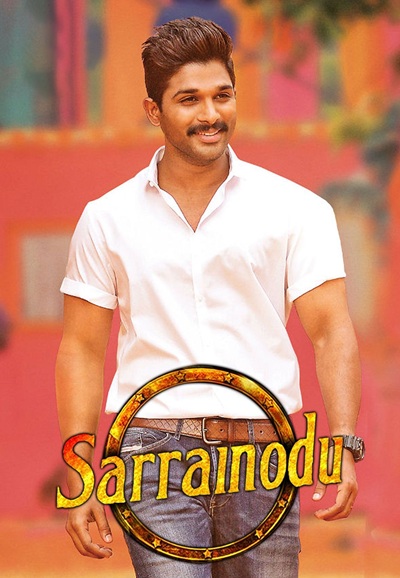
Sarrainodu
Fun Facts of Movie
Sarrainodu Does This Allu Arjun Mass Entertainer Still Hit in 2026?
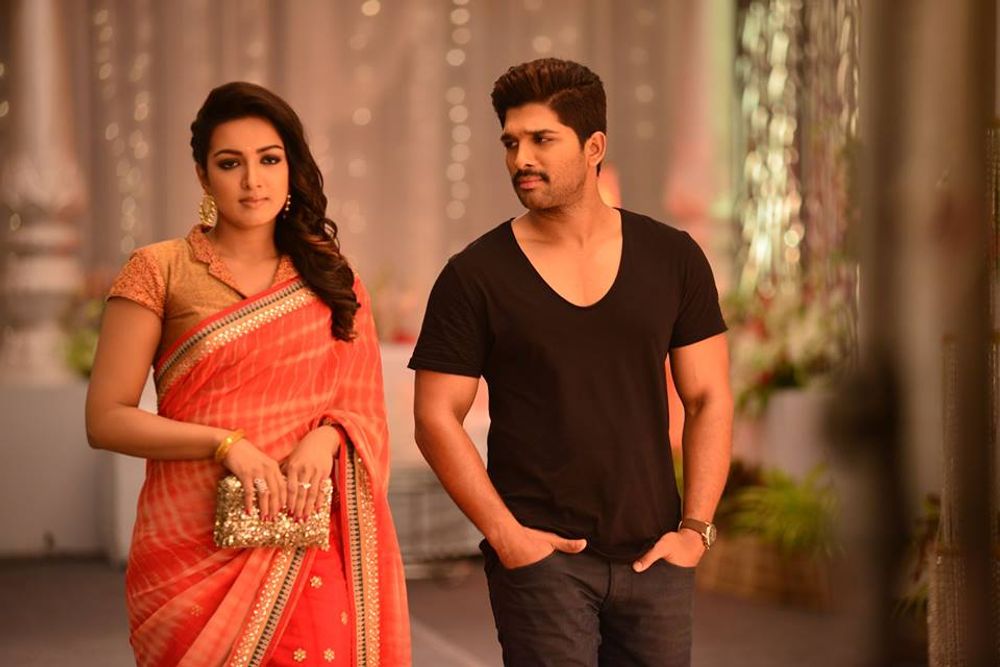
If you’re pressing play on Sarrainodu for the first time, you’re probably here for a few simple promises: big fights, a loud hero entrance, punchy one-liners, and a clean line between good and evil. This is the kind of Telugu mass action film that doesn’t whisper its intentions; it shouts them.
This review is for Allu Arjun fans, for viewers who like commercial Telugu cinema, and also for anyone curious but unsure if a 2016 action comedy drama film still holds up in 2026. The short version: it can, as long as you’re in the mood for scale and swagger over realism.
Sarrainodu in one glance: what it is, who made it, and why it got noticed
Sarrainodu was released on April 22, 2016, and it wears its mainstream DNA proudly. Director Boyapati Srinu builds the film around “elevation” moments, where the hero’s attitude is the point, not a subtle character study. Producer Allu Aravind backed it under Geetha Arts, and S. Thaman handles the music, which matters here because the background score does a lot of heavy lifting.
Here are the basics, without turning this into trivia night:
| Detail | Quick info |
|---|---|
| Language | Telugu |
| Release date | April 22, 2016 |
| Director | Boyapati Srinu |
| Producer | Allu Aravind (Geetha Arts) |
| Music | S. Thaman |
| Genre | Action, comedy, drama |
Why did it get noticed? Because it played like an event movie. It was widely labeled a major box office success in 2016 and is often mentioned among that year’s top-grossing Telugu films. If you want a snapshot of how it landed at release, this contemporary take calls it a “typical masala entertainer” in a way that matches what you’ll actually see on screen: 123telugu’s original review.
Cast and characters you should know before pressing play
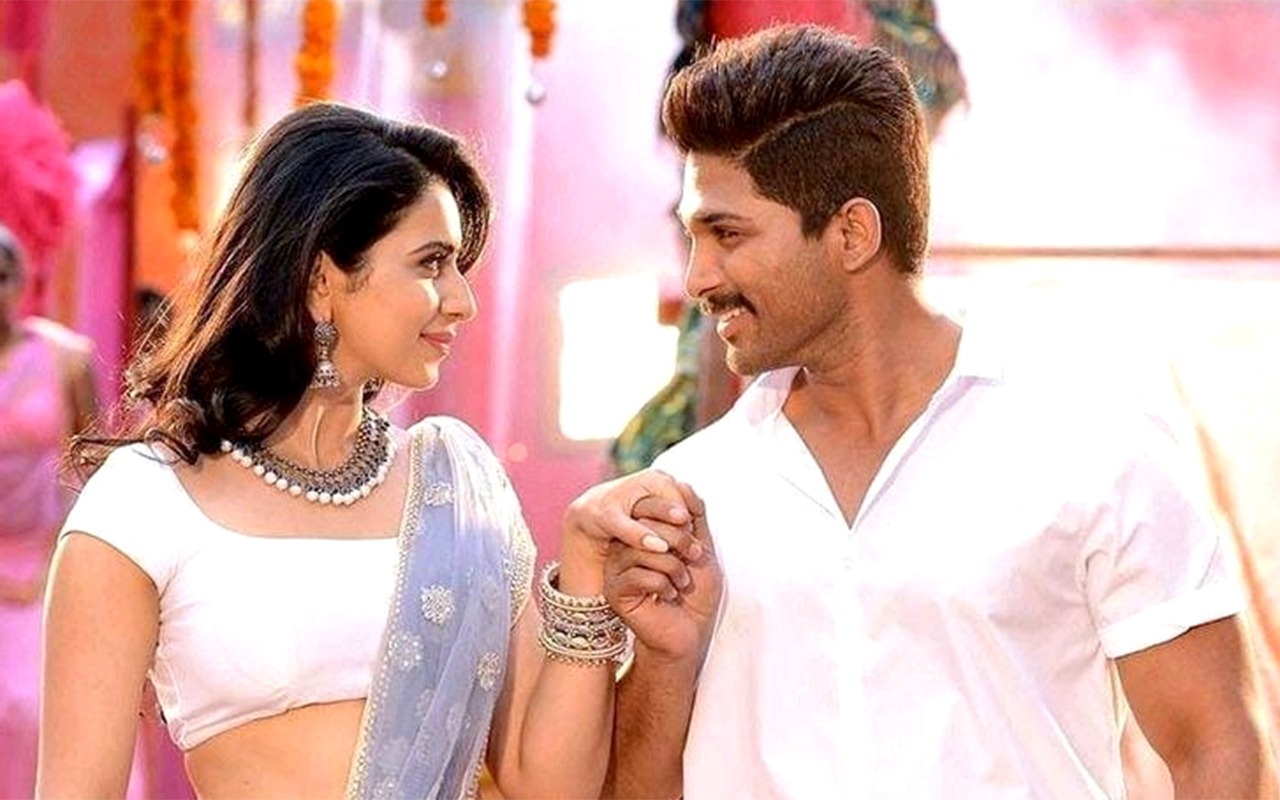
The casting is a big part of why the movie works for its target audience. You don’t need a character map, but it helps to know the main players:
- Allu Arjun as Gana: An ex-army man who goes after injustice with fists first, questions later.
- Rakul Preet Singh as Maha Lakshmi: A key emotional anchor who pulls Gana into the central conflict.
- Catherine Tresa as Hansita Reddy: Adds a parallel thread with romance and status, and helps set up hero “attitude” scenes.
- Aadhi Pinisetty as Yerram (Vairam) Dhanush: The main villain, designed to feel dangerous and personal.
- Srikanth: Brings steadiness and emotional weight in the supporting cast.
- Brahmanandam: Shows up for comedy beats, though the humor can be hit or miss depending on your taste.
No spoilers needed. Just know the film is built around a hero-villain clash more than a mystery.
Story and pacing: simple plot, big moments, and how it moves
The plot is straight, almost old-school. Gana is an ex-military man with a strong sense of justice. He runs into a brutal, well-connected villain who uses power and fear to control people, including in a conflict tied to land and real estate intimidation. Gana doesn’t play defense for long, and the movie becomes a test of how far one person will go to stop a bully with resources.
It’s also loosely inspired by Walking Tall (2004) in the broad idea of one man pushing back against local terror backed by influence. Don’t expect a one-to-one retelling. The tone is firmly Telugu commercial cinema, with romance tracks, comedy scenes, songs, and high-volume action.
Pacing is where viewers split. The first half often feels punchy because it’s busy setting up hero moments and establishing the villain’s cruelty. The second half can feel long because the film repeats its core rhythm: provocation, retaliation, bigger retaliation, then an even bigger set piece. If you enjoy that build, it’s satisfying. If you prefer tight plotting, you’ll feel the runtime.
What works best: action highs, hero attitude, and crowd-pleasing scenes
The action is the main course. The fights are staged for impact, not realism. Bodies fly, punches land like hammers, and the camera wants you to feel the hero’s dominance. If you grew up on mass entertainers, it’s like comfort food with extra spice.
Allu Arjun’s screen presence is a real advantage here. He sells swagger without looking bored, and he knows how to land a line so it feels like a “moment,” even when the writing is simple. Boyapati Srinu also understands fan service in the classic sense: slow-motion entries, reaction shots, and carefully timed “now it’s serious” shifts.
Music helps, too. S. Thaman’s background score is designed to push scenes upward, and it does. Even when you can predict what’s coming, the sound and rhythm make it feel bigger in your seat. Many audience reactions over the years tend to praise the fights, the songs, and the overall “mass” vibe for that reason.

What may not work for everyone: volume, logic gaps, and familiar tropes
If you don’t usually watch Telugu mass action films, Sarrainodu can feel like it’s constantly turned up to 11. Characters don’t always behavease real people would, and the movie isn’t interested in explaining every jump in logic. It’s more like a wrestling storyline than a crime drama; the emotions are big, the moral lines are thick, and the hero’s presence bends the world around him.
Some portions also feel familiar: standard romance beats, comedy that pauses the main tension, and setups you’ve seen in other commercial films. None of this is shocking for the genre, but it’s the difference between “fun comfort watch” and “why is this scene here?”
Performances, music, and technical craft: the parts you feel while watching
Performance-wise, the film knows its lanes. Allu Arjun is the engine, and he keeps the movie from sagging even when the story takes detours. Rakul Preet Singh and Catherine Tresa do what the script asks, though their tracks are more about tone and pacing than deep character writing.
Aadhi Pinisetty gives the villain real bite. He doesn’t play Dhanush as a cartoon at every moment, which helps the conflict feel sharper. When a mass film works, it’s often because the villain feels genuinely threatening, and he delivers that.
Technically, the movie is glossy in a 2016 mainstream way: bright frames, confident production design, and loud sound mixing that prioritizes impact. Editing tends to favor “let the moment breathe” beats, meaning scenes stretch to milk reactions. If you like hero worship scenes, that’s a plus. If you don’t, that’s where the film can drag.
Allu Arjun vs the villain: why the face-off drives the movie
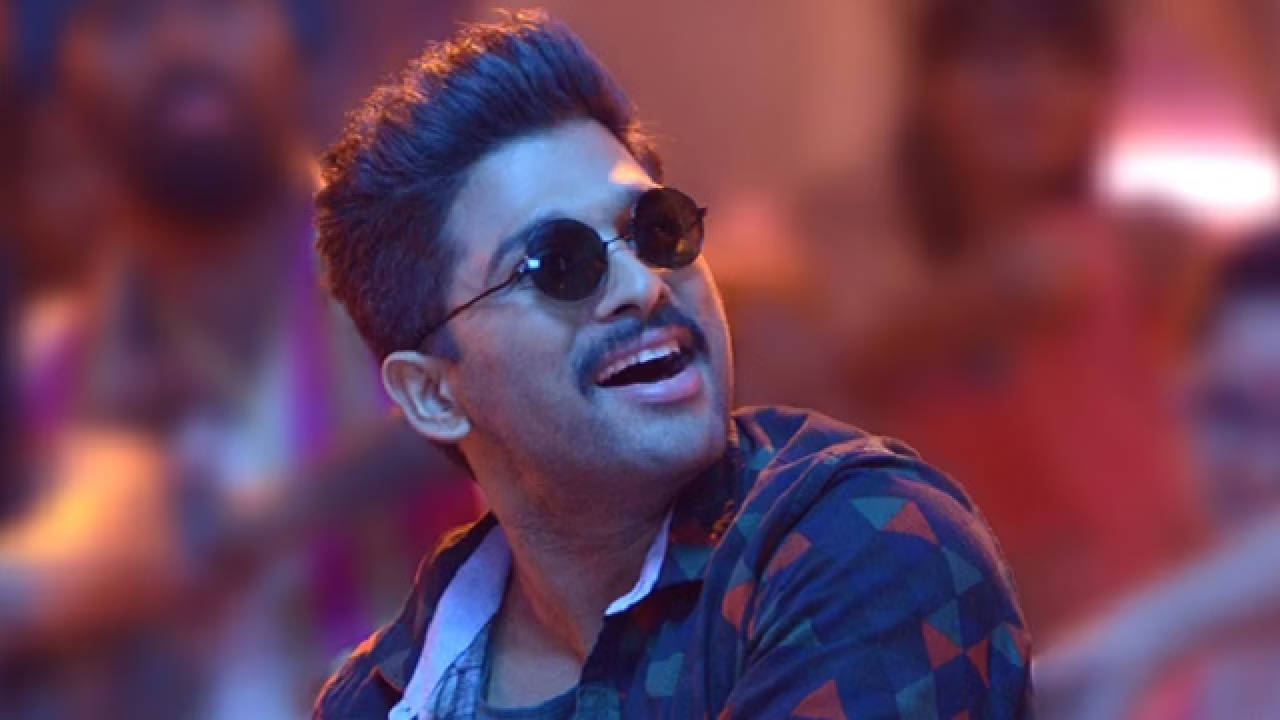
The best tension comes from contrast. Gana is built like a force of nature, with a public-facing confidence that never cracks for long. Dhanush is meaner and more calculating, and he weaponizes status and fear. That push and pull is the movie’s spine.
Because the villain is presented as someone who can actually cause damage, the hero’s anger feels motivated, not just performative. Even if you can predict the broad destination, the face-off stays watchable because the film keeps raising the emotional stakes between them.
Reception and legacy: box office, reviews, and where to watch now
Back in 2016, the critical response was mixed, while the audience response was stronger, which is common for mass entertainers. Many reviews called out the familiar story beats, but still credited the action blocks and Allu Arjun’s presence.
On the business side, the film is widely reported as a blockbuster. Trade reporting over the years often places its worldwide gross above ₹127 crore, which matches its reputation as one of the bigger Telugu hits of 2016.
In 2026, the legacy is also tied to repeat viewing online. Hindi-dubbed versions have stayed popular on YouTube for years, and the Malayalam dubbed version, Yodhavu released after the Telugu original.
For US viewers, availability can often change. Some listings show it streaming via niche Indian-content services, while other trackers mark it as unavailable. The quickest way to check legal options in your region is a live listing such as JustWatch’s Sarrainodu page.
Who will enjoy Sarrainodu, and who should skip it
This is an easy movie to recommend when the mood is right.
Watch it if you want:
- High-energy action scenes and big hero moments
- Punch dialogue, attitude, and crowd-style “high” sequences
- Songs and a loud, supportive background score
Skip it if you want:
- Realistic action and grounded consequences
- Tight storytelling with minimal detours
- Subtle drama and naturalistic comedy
Conclusion
Sarrainodu still works in 2026 when you treat it like what it is: a mass action entertainer built around Allu Arjun’s swagger, heavy fight sequences, Thaman’s hype-driven music, and a villain strong enough to make the clash satisfying. Expect over-the-top choices, familiar beats, and a runtime that sometimes stretches scenes for applause.
If you enjoy that style, it’s a solid weekend watch. If you’ve seen it already, does it still hold up for you, and what’s your favorite fight or hero entry scene?
Trending Movies:
Race Gurram Review: The “Race Horse” That Rode to the Top