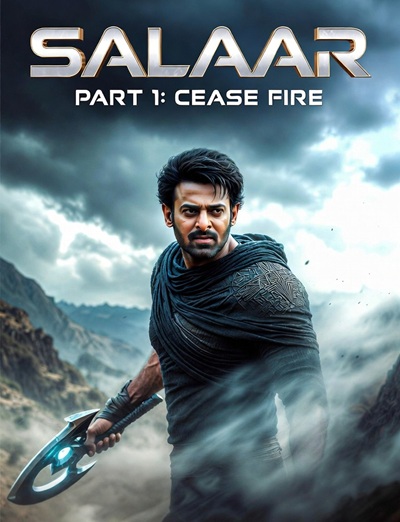
Salaar: Ceasefire
Fun Facts of Movie
Salaar: Part 1 – Ceasefire: Prabhas Brings the Fire in Prashanth Neel’s Big-Scale Action Tale
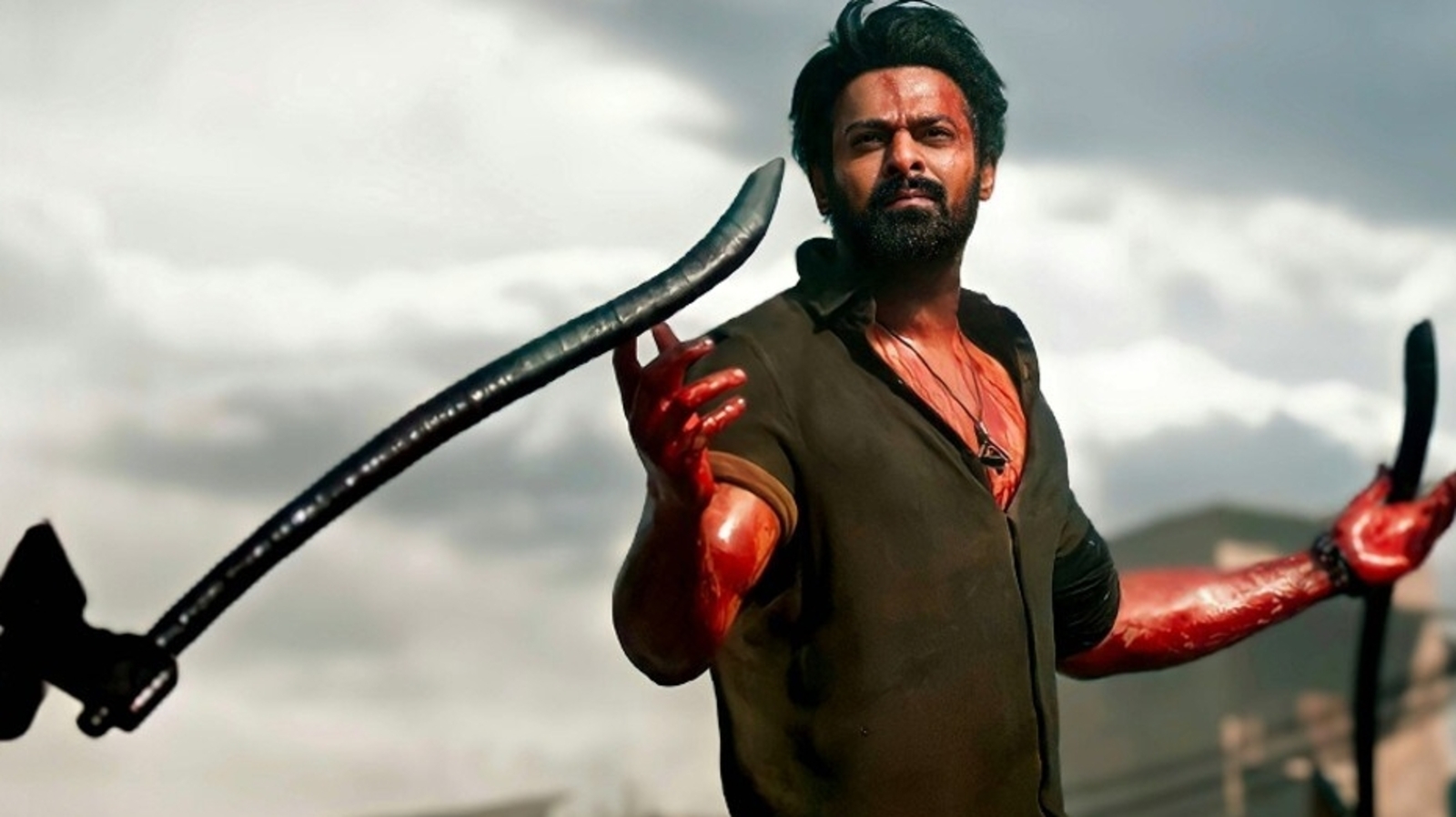
Introduction: A Release Fans Waited For
Directed by Prashanth Neel (known for KGF) and released on December 22, 2023, Salaar: Part 1 – Ceasefire pairs Neel with pan-India star Prabhas for a loud, high-stakes action thriller. Backed by Hombale Films, the movie is made in Telugu and released in dubbed versions across languages. Prabhas plays the guarded and dangerous Deva (also called Salaar). Prithviraj Sukumaran appears as Varadha, Shruti Haasan plays Aadhya, and the supporting cast includes Jagapathi Babu, Bobby Simha, and Sriya Reddy.
The story is set in Khansaar, a harsh city-state that runs on fear, deals, and old rules. The film mixes tribal power plays, betrayal, and blunt violence, with the kind of larger-than-life tone Prashanth Neel is known for.
At its center, Salaar focuses on a deep friendship that turns into conflict, a kingdom with no real law, and a man who keeps his anger locked away until he can’t anymore. With a runtime close to three hours, the film is clearly built as the first chapter of a two-part story. It spends a lot of time building its world and saving major payoffs for Part 2.
Plot and World-Building: Tribes, Power, and Broken Trust
The film tells its story out of order. It begins in the present, with Deva living a low-key life with his mother (Easwari Rao). That calm doesn’t last. He steps in to protect Aadhya when unknown men start closing in on her. That choice pulls him back toward Khansaar, a brutal enclave held together by a shaky ceasefire.
As the story moves between timelines, it reveals Deva’s past with Varadha, the son of Raja Mannar (Jagapathi Babu). Their bond starts in childhood and grows into something that shapes Khansaar’s future.
Khansaar feels like a hard and dusty dystopia, with echoes of desert survival stories mixed with old tribal customs. Different clans fight for control through politics, bloodshed, and rigid rituals. Neel brings in shades of his earlier work Ugramm, but stretches the scale with more history, more factions, and more betrayals. After the intermission, the film slows down to explain the kingdom’s past and the rules that keep it standing, for now.
The plot can get messy, with stacked flashbacks and a long list of names and groups. Still, patient viewers get twists that land, plus an ending that clearly sets up the sequel.
Performances: Prabhas Powers Through, Prithviraj Adds Weight
Prabhas looks far more locked in here than in some of his post-Baahubali films. As Deva, he keeps things controlled for much of the runtime, then turns explosive when the story demands it. His screen presence does a lot of heavy lifting, and the film treats each big moment like an event.
Prithviraj Sukumaran stands out as Varadha. He brings both authority and doubt, which gives the film some emotional ground. The push and pull between Deva and Varadha, built on years of loyalty, becomes the film’s strongest thread.
Shruti Haasan has limited screen time, but her role helps trigger the main conflict. Jagapathi Babu and Sriya Reddy bring a solid intensity to the leaders of Khansaar, and the ensemble sells the harsh structure of this world.

Direction and Technical Work: Dark Visuals, Loud Score, Heavy Action
Prashanth Neel goes big on style and scale. Cinematographer Bhuvan Gowda uses muted colors and shadowy frames to make Khansaar feel suffocating and cold. Ravi Basrur’s score hits hard and keeps the tension high, though it can sometimes drown out lines.
Anbariv’s action choreography is one of the film’s biggest wins. The fights are raw and physical, with set pieces designed for impact, including the temple sequence and the interval block. Slow-motion shots and bloodshed are often used, and the violence is intense enough to earn the film an A certificate.
What Works and What Doesn’t: Big Moments, Heavy Exposition
Salaar is built for mass action fans. It delivers loud crowd moments, sharp hero entries, and fights made for big screens. The film also proved its reach at the box office, earning an estimated ₹600-700 crore worldwide, even with a major clash against Dunki.
Still, the film isn’t tight. The second half leans hard into backstory and explanations, which slows the pace. The constant violence can start to feel repetitive, and the women in the story don’t get the same depth as the men. Since it’s clearly Part 1, it can feel more like a setup than a full meal, which may not work for viewers wanting a complete standalone story.
Conclusion: A Hard-Hitting First Chapter
Salaar: Part 1 – Ceasefire gives Prabhas a strong return and lets Prashanth Neel go all-in on a grim, action-heavy world. It has flaws, and it asks for patience, but it delivers the kind of big-screen energy many action drama fans want. With 73% on Rotten Tomatoes and huge commercial results, it builds serious hype for Part 2. For anyone who likes larger-than-life action that doesn’t hold back, this one is best seen in theaters.
iBommas 3.5/5, messy in parts, but highly entertaining.
Trending:
Jersey (2019): A Timeless Triumph of Dreams and Redemption