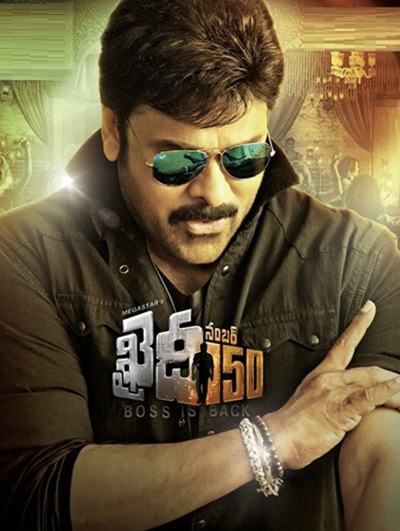
Khaidi No. 150
Fun Facts of Movie
Khaidi No. 150: Chiranjeevi’s Big Comeback, Built for the Crowd
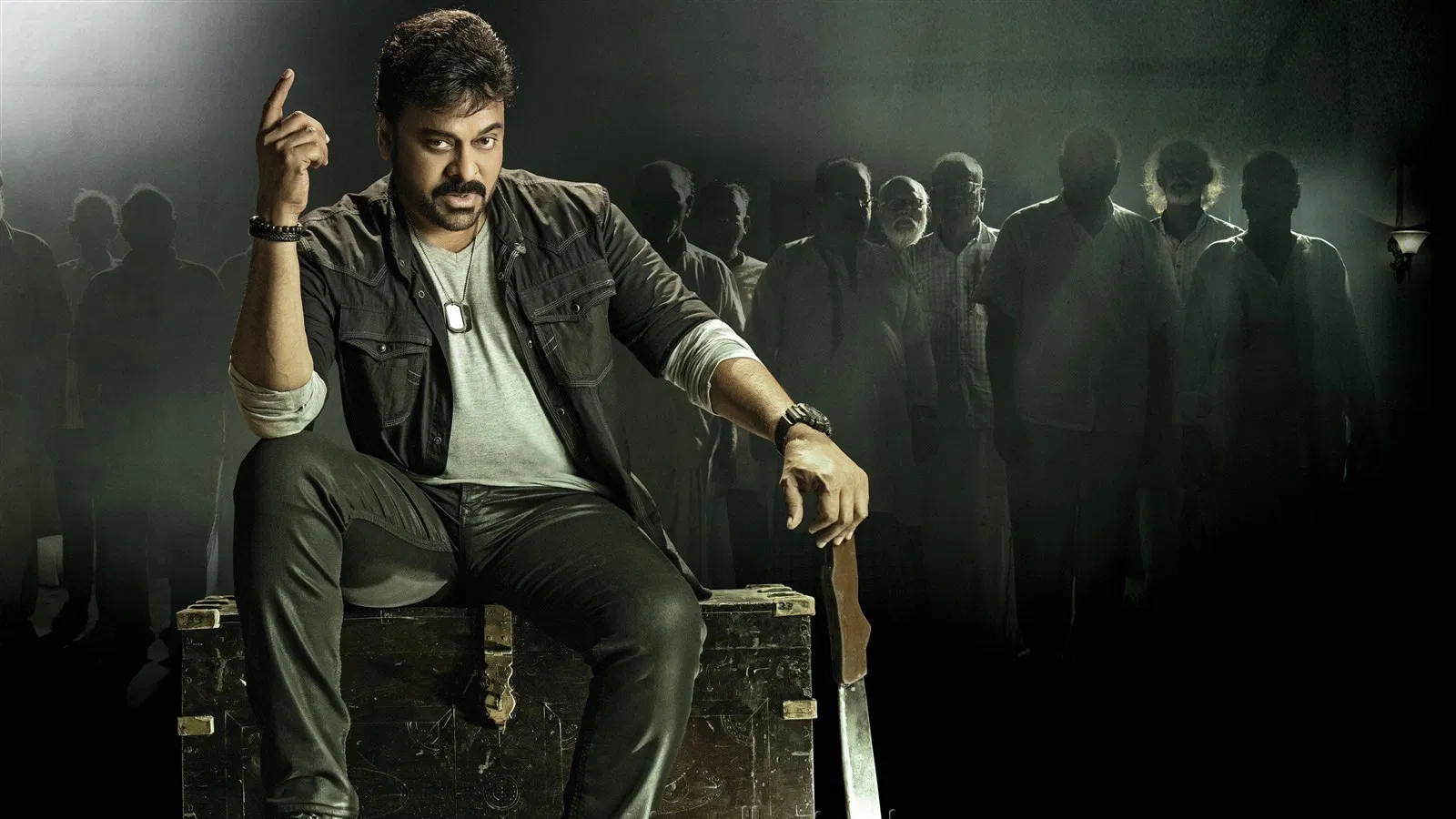
A comeback film carries extra weight. It isn’t judged only as a movie; it’s judged as a moment. Khaidi No. 150 landed in January 2017 with that exact pressure on its shoulders, bringing Chiranjeevi back to the big screen after nearly a decade away.
The film also arrived during Sankranthi, when Telugu cinema audiences often want scale, songs, punch lines, and a hero who feels larger than the screen. That’s the promise here: a mass entertainer with a social message, designed to play loud in packed theaters.
This review covers the story setup (without spoilers), performances, action, music, the message, where the film stumbles, and who’s most likely to enjoy it. It also helps to know one big thing going in: it’s a remake of the Tamil film Kaththi, so some beats may feel familiar to viewers who know the original.
Quick facts and what the movie is trying to be
Khaidi No. 150 is a Telugu action drama that blends commercial set pieces with a farmer-focused message. It isn’t subtle about its goals. It wants celebration, whistle-worthy hero moments, and emotion that pushes toward a “stand up and fight back” ending.
Here are the basics most viewers look up first:
| Detail | Info |
|---|---|
| Release date | January 11, 2017 |
| Director | V. V. Vinayak |
| Runtime | 2h 47m |
| Music | Devi Sri Prasad |
| Main cast | Chiranjeevi (dual role), Kajal Aggarwal, Tarun Arora |
| Genre | Action drama, social message |
For a quick reference on credits and production details, see the Khaidi No. 150 film page. What matters for the viewing experience is simpler: this is a festival release engineered to feel like an event. The camera and editing often prioritize hero framing, and the tone swings between comedy, action, and emotional messaging because it’s trying to keep a broad audience engaged.
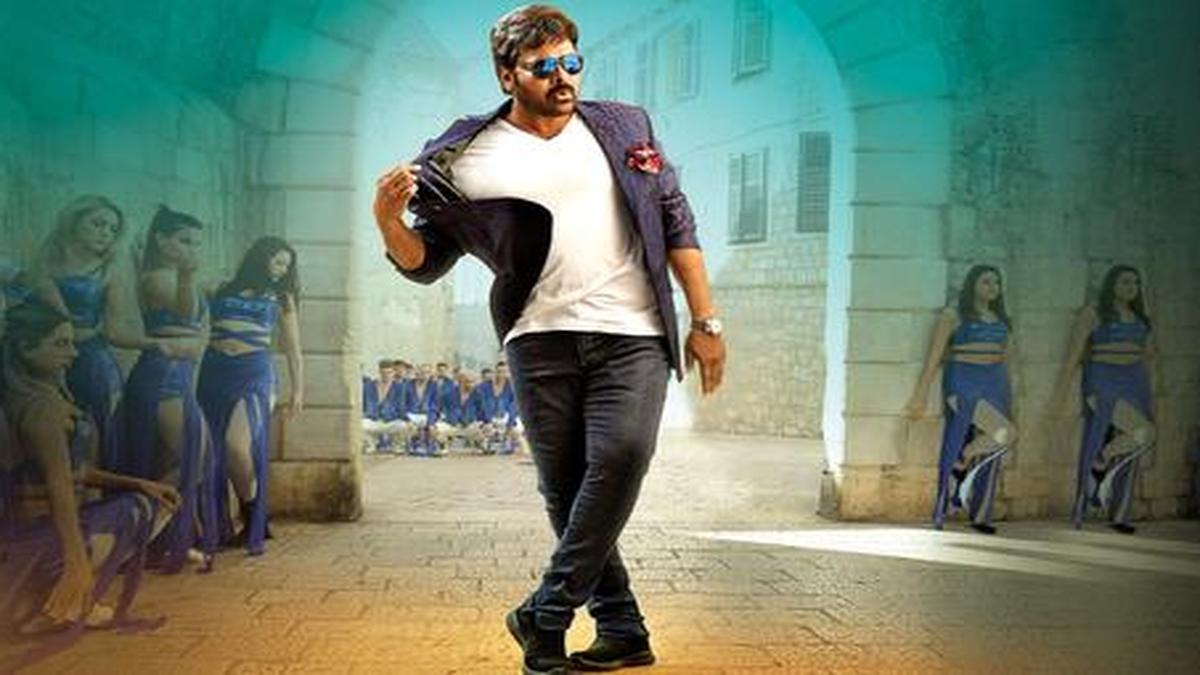
The basic setup, explained without spoilers.
The story begins with Seenu, a man who lives by shortcuts and doesn’t pretend otherwise. He’s street-smart, quick with comebacks, and always scanning for the fastest exit. Then circumstances shove him into a world he can’t ignore, one tied to struggling farmers, water shortages, and pressure from powerful corporate interests.
That shift is the engine of the film. It’s not a mystery about what kind of movie this is. It’s a transformation story, where a lawbreaker starts asking questions he never cared about before. The tone stays commercial, but the emotional core keeps circling back to land, livelihood, and what gets lost when people in power treat villages like numbers.
Remake context: what viewers should know going in
Khaidi No. 150 is based on Kaththi (2014), with the same central idea of identity, responsibility, and fighting for the vulnerable. For viewers who haven’t seen the Tamil film, the plot often feels tighter and more surprising, because the big turns land as intended.
For viewers who know Kaththi well, the experience changes. The “what” of the story may not be the draw anymore. The “how” becomes the point: Chiranjeevi’s presence, the Telugu flavor in comedy and punch lines, and the way the movie spaces out its mass moments. In other words, the core plot is proven, but the fun is in how the film sells it to a Sankranthi crowd.

What works best in Khaidi No. 150
The movie’s strongest quality is that it understands why people showed up. It doesn’t hide the star, it doesn’t wait too long to deliver payoffs, and it keeps returning to the simple pleasure of a hero who walks in like he owns the frame.
The crowd-pleasing beats are staged with clarity: the setup, the build, the release. That rhythm matters in a commercial film. When it hits, it’s like a drum pattern everyone already knows, and the theater joins in on cue.
Just as important, the film gives its message a mainstream wrapper. It uses jokes and romance to lighten heavy material, then pulls the focus back to the village stakes when it needs emotional weight. At its best, Khaidi No. 150 feels like a plate made for a festival lunch, spicy, sweet, and filling, even if not every bite is equally memorable.
Chiranjeevi’s screen presence and the dual-role appeal
Chiranjeevi is the reason the film works as well as it does. His screen presence doesn’t rely on constant shouting or exaggerated bravado. He can play to the gallery with a look, a pause, or a small shift in body language. That sense of control makes the mass scenes feel earned, not forced.
The dual role adds momentum because it creates contrast. One side has swagger and street survival instincts, the other carries a steadier, more grounded emotional pull. The movie uses that contrast to keep the plot moving and to give the star room to switch gears between comedy, anger, and sincerity.
The comeback factor also matters. In 2017, audiences weren’t only watching a character, they were watching a return. That context amplifies even routine scenes, turning simple walk-ins and punch lines into mini-events.

Action, pacing highs, and crowd-pleasing moments
The action is designed to be readable and hero-focused. It’s less about complex tactics and more about clean choreography, bold framing, and a payoff that lands hard. The much-talked-about coin fight is a good example of how the movie turns a small object into a signature moment, using sound, timing, and reaction shots to boost impact.
Pacing is a mixed bag overall (the runtime is long), but the film spaces out major “high” scenes to keep fan energy from dipping too far. When it’s on track, it feels like a series of peaks connected by simple story bridges. That structure can be satisfying for viewers who want big moments more than tight minimalism.
Where the film feels uneven
For all its crowd instincts, Khaidi No. 150 can feel inconsistent from scene to scene. Some stretches play like a confident star vehicle, and others feel like they’re checking boxes that commercial cinema has checked for years.
This unevenness also explains the split in reception. Fans often celebrate the return and the set pieces, while some critics look for smoother storytelling and fresher writing choices. Both reactions can be true at the same time. The film can entertain in the moment, while still feeling familiar when viewed as a whole.
It’s also the kind of movie where patience affects enjoyment. Viewers who like long, feature-length entertainers with songs and extended emotional beats will settle in easily. Viewers who prefer leaner narratives may feel the drag more sharply.

Story familiarity and a formula that can show through
Because the film follows a known template (and because it’s a remake), certain turns feel predictable. The audience can often sense when a speech is coming, when a confrontation is being staged for applause, or when a character exists mainly to move the hero toward the next big beat.
Several write-ups at the time framed it as a film built to announce the star’s return more than to surprise with storytelling. That view shows up clearly in this Firstpost review of Chiranjeevi’s comeback, which captures the “event-first” nature of the experience.
None of this makes the movie worthless. It just sets expectations. If viewers want invention in every scene, the film won’t always deliver it. If viewers want a familiar structure executed with star power, it often does.
Message-heavy scenes versus entertainment flow
The farmer-focused message is the film’s backbone, and it’s also where the screenplay can feel most blunt. Some scenes pause the story to underline the point, and those pauses can test patience, especially when the emotional pitch turns into extended talk.
The movie works best when the message is carried through character choices and consequences, not only through speeches. When humor, action, and emotion support the same theme, the film feels more alive. When the narrative stops to explain itself, it risks feeling like two movies stitched together, a mass entertainer on one side and a lecture on the other.
Still, the intent is easy to respect. It takes a mainstream platform and points it toward real pain: debt, water scarcity, and how quickly rural problems are ignored unless someone with power speaks up.
Music, production values, and overall impact
On the technical side, Khaidi No. 150 looks and sounds like a big release. The production values match the Sankranthi ambition, with polished staging, bright song picturizations, and action scenes built to pop in a theater.
As of January 2026, the film’s legacy is tied less to fresh reviews and more to repeat viewings and TV airings. In the US, on-demand streaming availability appears limited, which pushes many viewers toward satellite, cable, or harder-to-verify online uploads. That scarcity can make the film feel like a time capsule, remembered through clips and songs rather than rediscovered through a major streaming push.
Even so, the movie stays in conversation for one simple reason: it marks a major star’s return and packages it in a way that’s easy for mass audiences to celebrate.
Devi Sri Prasad’s songs and background score
Devi Sri Prasad’s music is built for energy. The background score lifts hero entries, sharpens punch lines, and adds extra force to confrontation scenes. It’s the kind of score that tells the audience how to feel, and for a mass entertainer, that’s part of the design.
The songs fit the festive style, colorful, rhythmic, and staged for crowd response. There are five songs, and the film uses them as mood shifts: a burst of celebration here, a romantic break there, then back to the main conflict. Some viewers may feel songs add to the runtime, but fans of Telugu commercial cinema often treat them as part of the full meal.
Reception snapshot: box office, ratings, and fan response
Commercially, the movie performed like a success story. Reported numbers often cited include a budget of around ₹50 crore and a worldwide grossof over ₹164 crore, placing it among the top-grossing Telugu films of its time.
Audience feedback also shows a familiar pattern for star-driven remakes: fans respond to the return, the hero moments, and the set pieces, while critical opinions stay more cautious. On Rotten Tomatoes, the audience Popcornmeter has been listed at 79%, but with fewer than 50 ratings, so it’s more of a small snapshot than a broad consensus.
Taken together, the reception makes sense. The film doesn’t try to be subtle, short, or surprising. It tries to be loud, emotional, and star-forward, and that’s exactly what many people wanted from Chiranjeevi’s 150th film.
Final verdict: Who should watch Khaidi No. 150?
Khaidi No. 150 is best recommended to viewers who want a Chiranjeevi-led mass entertainer with a clear social message, festival-style songs, and big action highs. It delivers on the basics: star presence, punchy staging, and enough emotion to give the fights a reason.
Viewers who dislike long runtimes, remake familiarity, or message-forward speeches should lower expectations or skip it if they want a tighter, more modern pace. The film’s peaks are real, but the valleys are visible too.
For anyone revisiting it today, the most fun question is simple: which scene or song still stands out, the coin fight, the hero entries, or the emotional village moments?
Trending Movies:
Nari Nari Naduma Murari Review: A Clean Rom Com With a Strong Start