
Hanu-Man
Fun Facts of Movie
Hanu-Man: India’s Mythical Superhero Awakening With Big Energy
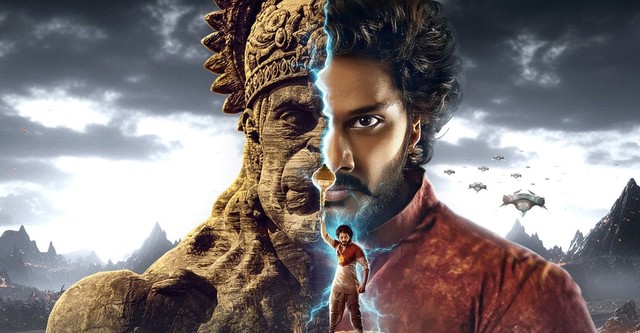
Superhero films often bring to mind Hollywood capes and masks. Director Prasanth Varma goes a different way with Hanu-Man (2024), building a full origin story around Indian mythology. Teja Sajja leads the film as the hero, and the movie mixes devotion to Lord Hanuman with action, comedy, and strong visuals.
Released on January 12, 2024, during Sankranti, the Telugu-language film surprised many by turning into a major hit. It reportedly crossed ₹300 crore worldwide, even with a modest budget. As the first film in the Prasanth Varma Cinematic Universe (PVCU), Hanu-Man works as entertainment and as a loud, proud celebration of Hanuman as India’s original superhero.
Plot Overview: A Small-Time Thief Becomes a Protector
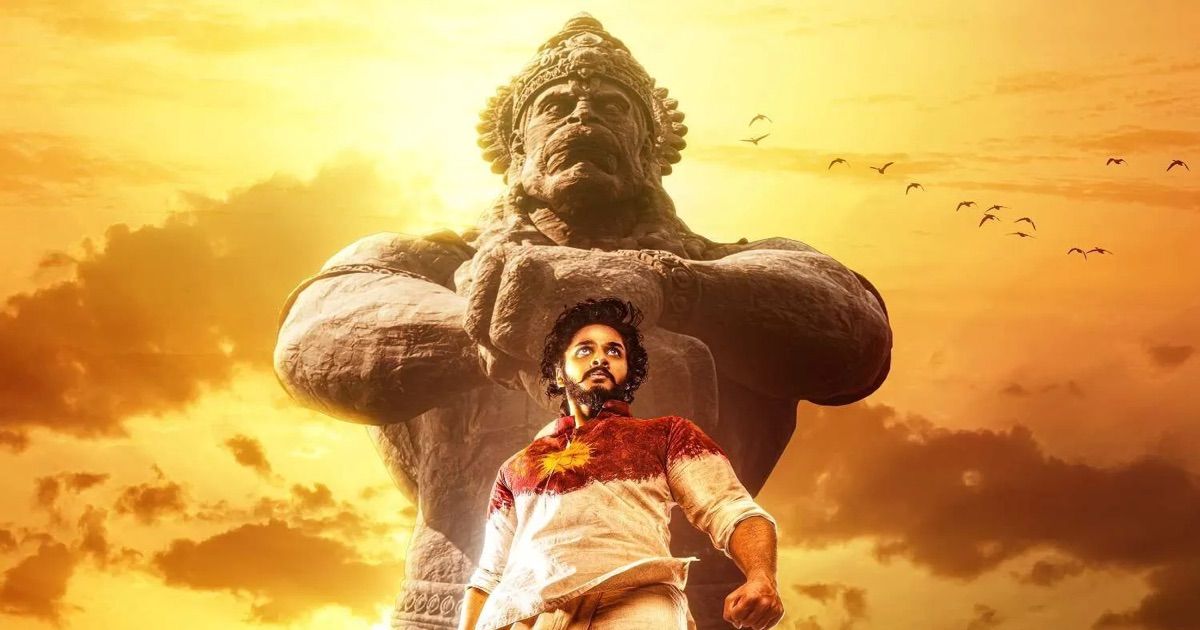
The story is set in Anjanadri, a fictional village framed by mountains. A giant rock carving of Lord Hanuman towers over the place, giving the setting a strong mythic feel. We meet Hanumanthu (Teja Sajja), a carefree petty thief who lives with his sister Anjamma (Varalaxmi Sarathkumar). She’s strict, protective, and clearly the one keeping him in line.
Hanumanthu has feelings for Meenakshi (Amritha Aiyer), a doctor who returns to the village. At the same time, the locals struggle under Gajapathi (Raj Deepak Shetty), who rules through fear.
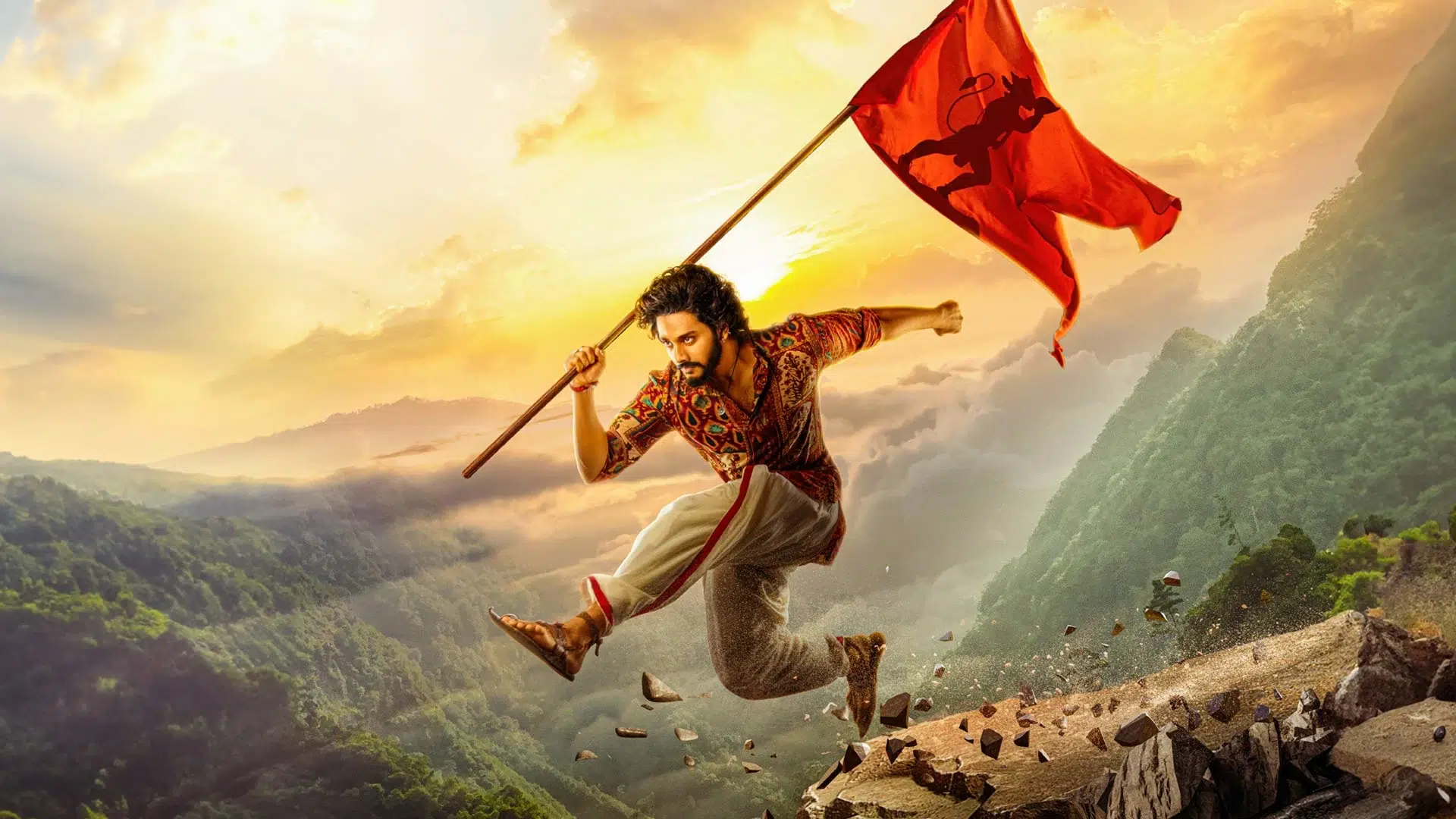
Everything changes when Hanumanthu gets badly hurt while trying to save Meenakshi. In the aftermath, he comes across the Rudra Mani, a mystical gem said to be born from a drop of Hanuman’s blood. The gem gives him powerful abilities, including super strength, extreme agility, and even the power to change his size. There’s a condition, though: his strength rises when he chants Hanuman’s name and stays connected to faith.
On the other side is Michael (Vinay Rai), a tech-driven villain who’s obsessed with becoming a “real” superhero. He wants the gem for himself and will do anything to get it.
The plot follows a familiar good-versus-evil path, but the film lifts it with devotional beats tied to the Ramayana. Hanumanthu’s growth mirrors Hanuman’s spirit of service and loyalty, and the film saves its biggest highs for the moments where belief beats raw power.
Direction and Screenplay: Prasanth Varma Goes Big and Stays Rooted
Prasanth Varma, who previously made Zombie Reddy, delivers his most ambitious film so far. He keeps the tone fun and mass-friendly, but the devotional core stays strong. The screenplay, co-written with Scriptsville, uses superhero basics we all know, yet gives them a fresh flavor through cultural references, playful humor, and strong Hanuman-based elevations.
The 158-minute runtime moves well. The first half focuses on village life, comedy, and character setup. The second half turns more emotional and action-heavy without feeling like a different film. Key scenes, like the pre-interval power moment and the extended climax on the Hanuman rock carving (which may remind some viewers of Baahubali scale), are designed for loud theater reactions.
The main idea is simple and clear: power means little without goodness, and faith gives real strength. The film gets that across without sounding like a lecture.
Performances: Teja Sajja Carries the Film
Teja Sajja is the film’s biggest strength. He starts as a mischievous, small-time troublemaker and slowly grows into someone who takes responsibility. He brings charm, solid timing in comedy scenes, and enough physicality to sell the action. His transformation feels natural, which makes Hanumanthu easy to root for.
Varalaxmi Sarathkumar stands out as Anjamma. She brings both warmth and toughness, and her emotional scenes land well. Amritha Aiyer plays Meenakshi with ease and keeps the role grounded. The comedy track works largely because actors like Vennela Kishore, Getup Srinu, and Satya keep the laughs steady.
Vinay Rai looks the part of a villain, but the writing doesn’t give Michael enough depth. His goals feel familiar, so he doesn’t fully match the hero’s energy. Supporting actors, including Samuthirakani, add to the sense that this village has real people and real relationships.
Technical Highlights: VFX, Music, and Visual World
For its budget range, the visual effects from Halo Hues Studios are impressive. Many sequences look clean and well planned, especially the underwater moments, the power activation shots, and the final battles. Some images, like Hanumanthu positioned against the huge statue, carry a strong mythological feel without losing the superhero tone. The VFX work also compares well against bigger films that struggled in this area, including Adipurush.
The background score by GowraHari, Anudeep Dev, and Krishna Saurabh adds a lot of force to the big scenes. It builds devotional highs and makes the crowd moments hit harder. The songs fit the film’s vibe, with the forest-based folk-style action number standing out.
Cinematographer Dasaradhi Sivendra captures Anjanadri with wide shots and sweeping views that make the village feel like a character. Sri Nagendra Tangala’s production design helps sell the world, from the village details to the larger mythic elements.
What Works Best, and What Could Be Better
Hanu-Man works because it stays grounded in culture and faith while still delivering superhero fun. It’s family-friendly, easy to follow, and full of moments made for cheers. The humor feels natural, and the devotional scenes are built to give you goosebumps.
The flaws are there, but they don’t sink the film. The villain’s track feels routine, a few early scenes take a bit too long to set up, and the VFX quality dips in spots. Still, the heart of the film and its big swings make it easy to forgive the rough edges.
Box Office Run and Cultural Buzz
Even with strong competition, Hanu-Man turned into a blockbuster. It crossed ₹300 crore worldwide and became one of the top-grossing Indian films of 2024. Word-of-mouth played a huge role, especially as the film found a wide audience in Hindi-speaking markets too.
In many theaters, viewers joined in with chants like “Jai Hanuman” and “Jai Shri Ram,” turning key scenes into group moments. The success also set up what’s next for the PVCU, including Jai Hanuman, which promises a bigger scale.
Verdict: A Superhero Film With Faith at the Center
Hanu-Man brings something rare to Indian superhero cinema. It respects tradition, keeps the storytelling fun, and gives audiences a hero who feels both mythic and relatable. Prasanth Varma and Teja Sajja deliver a crowd-pleaser that stands out in a year full of familiar formulas.
iBomma Rating: 4/5 stars. Recommended for families, mythology fans, and anyone who wants a homegrown superhero story with real heart.
Trending:
C/o Kancharapalem Review: Where Love Lives
