
Daaku Maharaaj
Fun Facts of Movie
Daaku Maharaaj (2025): A Slick, Star-Driven Action Entertainer That Works
Daaku Maharaaj is a 2025 Indian Telugu-language period action thriller directed by Bobby Kolli (Bobby). Nandamuri Balakrishna plays the lead role of Sitaram, also known as Daaku Maharaaj, a fearless outlaw who turns protector. Bobby Deol, in his first Telugu film, appears as the main villain, Prince Balwant Singh Thakur.
The film also stars Pragya Jaiswal as Kaveri, Shraddha Srinath as IAS officer Nandini, Urvashi Rautela in a much-discussed special song, and young Veda Agrawal as the lovable Vaishnavi. It was released in cinemas on 12 January 2025, timed for the Sankranti festival, riding on strong buzz after Balakrishna’s recent hits Akhanda and Bhagavanth Kesari.
The story centres on Sitaram, a sincere engineer who is pushed by injustice to become the feared bandit Daaku Maharaaj. He rises against the brutal Thakur family that controls a drought-hit village and exploits its people. Years later, living under the name Nanaji, he becomes the guardian of a young girl and her family, who again fall into the crosshairs of the same cruel forces. This leads to fierce clashes that mix his personal vendetta with a saviour arc. The film stays close to the classic good-versus-evil setup, with strong doses of family sentiment, retribution, and heroic elevation scenes that are common in mainstream Telugu cinema.
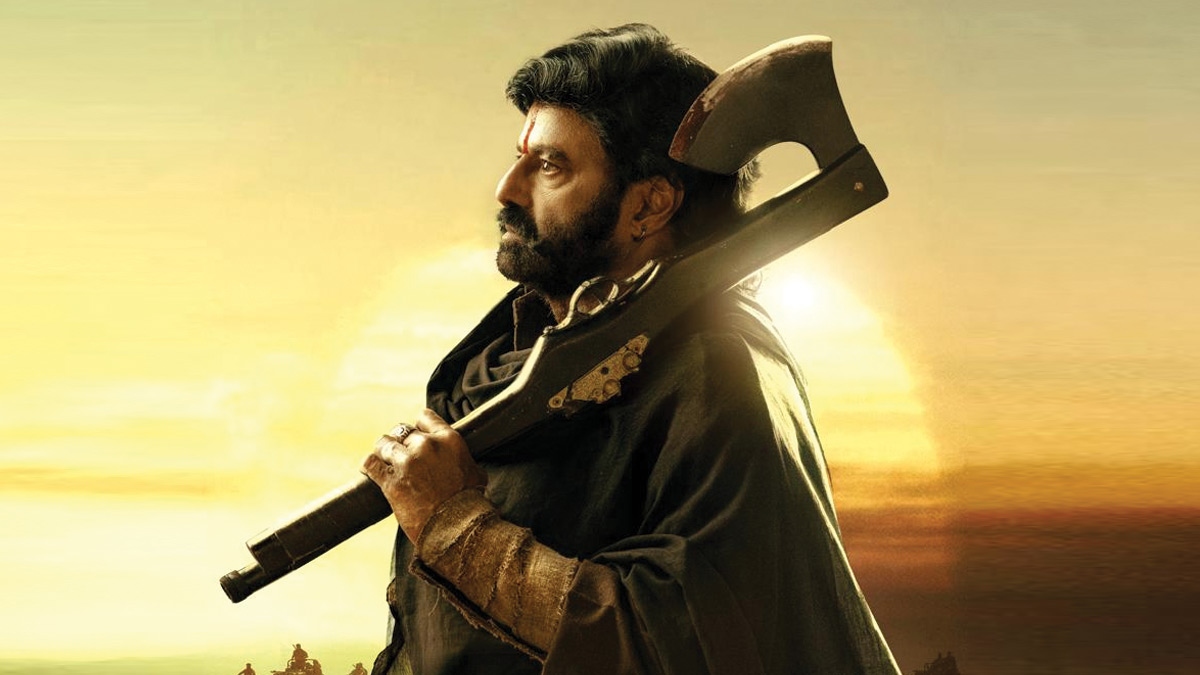
Daaku Maharaa Key details
- Release date: 12 January 2025 (theatrical release during Sankranti).
- Streaming: Available on Netflix from 21 February 2025 in Telugu, with dubbed versions in Hindi, Tamil, Kannada, and Malayalam.
- Plot summary: A once-violent outlaw with a criminal history takes up work as a driver to shield a young girl and her community from powerful, corrupt groups. These include a nexus involved in illegal poaching and large-scale exploitation. The film runs as a high-energy tale of revenge, protection, and larger-than-life heroism, with Balakrishna playing a rugged “king without a kingdom” figure.
- Supporting cast: Pragya Jaiswal, Shraddha Srinath, Urvashi Rautela (in a headline-grabbing special appearance), Sachin Khedekar, Makrand Deshpande, Ravi Kishan, and others.
- Music: S. Thaman scores the music. Songs like “The Rage of Daaku”, “Chinni”, and “Dabidi Dibidi” stand out, although “Dabidi Dibidi” drew some criticism from a section of the audience.
- Reception: Reviews ranged from mixed to positive. Critics praised Balakrishna’s powerful screen presence, stylish action scenes, slick visuals, and Thaman’s rousing background music. Ratings hover around 5.9/10 on IMDb and about 3.5/5 from outlets like The Times of India. Many viewed it as a crowd-pleasing mass entertainer, even if the storyline felt familiar. The film performed reasonably well at the box office despite stiff holiday competition.

Performances
Nandamuri Balakrishna anchors the film with a strong performance in three shades: the honest engineer, the dreaded dacoit, and the protective guardian. He tones down his trademark loudness and delivers a slightly more controlled portrayal that still packs impact. His charisma, dialogue delivery, and hero-elevation moments are the main draw, earning loud reactions in theatres.
Bobby Deol appears as a ruthless antagonist and brings solid menace on screen, though the script gives his character limited depth and backstory. Shraddha Srinath impresses as IAS officer Nandini, lending emotional heft and moral anchor to key portions. Pragya Jaiswal and child actor Veda Agrawal, as Vaishnavi, add warmth and sentiment through the family and father-figure track. Urvashi Rautela’s special song feels inserted for commercial appeal and stirred controversy, but it adds little to the narrative.
Supporting actors like Ravi Kishan, Makrand Deshpande, Sachin Khedekar, and others leave an impact in the scenes they get, although several side characters feel half-baked or underused.
Direction and technical aspects
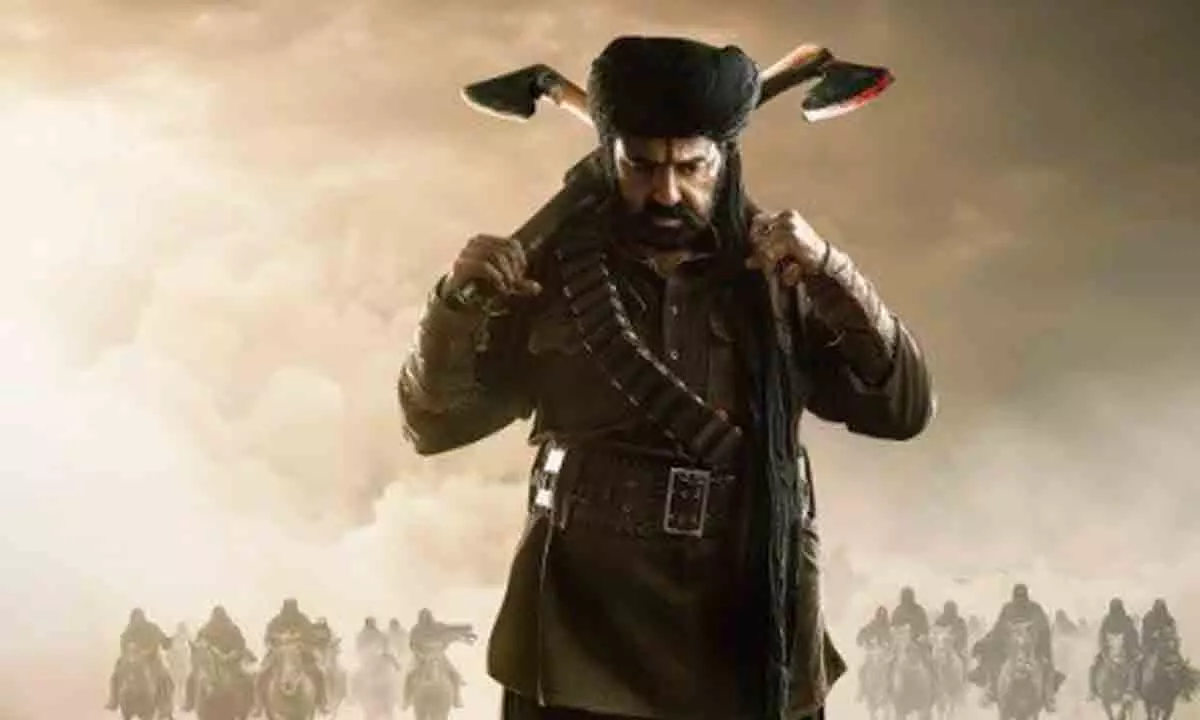
Bobby Kolli mounts the film as a full-scale masala entertainer, using familiar story beats but presenting them with flair and visual style. The action sequences are staged with energy, and the pre-interval stretch, along with the transformation episode of Sitaram into Daaku Mahara, stand out as big cinematic high points.
Vijay Kartik Kannan’s cinematography is one of the film’s biggest strengths. The use of dark palettes, slow-motion shots, and wide frames gives certain scenes a grand, almost Hollywood-style look. Thaman S delivers a thumping background score, with the Daaku theme in particular lifting many hero-centric moments and fight scenes.
Editing by Ruben and Niranjan keeps most portions tight, although parts of the second half feel stretched and could have done with sharper trimming. The production values are rich, with effective VFX, detailed sets, and strong art direction helping sell the period and rustic settings.
Strengths
- Balakrishna’s star power and refreshed styling.
- Striking visuals and an energetic background score heighten even routine scenes.
- Well-executed action blocks and an emotional bond between the hero and Vaishnavi.
- Suited for festival viewing if you enjoy high-voltage, mass-hero cinema.
Weaknesses
- A predictable plot that repeats the saviour-versus-oppressor model.
- A thinly written villain and rushed supporting character arcs.
- A few stretched portions and commercial add-ons, such as the item song, break the flow.
- Lack of genuine freshness, giving a sense of a remix of previous hits.
Verdict
Daaku Maharaaj plays as a stylish, high-voltage mass entertainer that rests mainly on Nandamuri Balakrishna’s charisma and strong technical work behind the camera. It does not introduce a new kind of story, but the presentation, action, and hero build-up keep it watchable, especially on a big screen with a lively crowd.
Critic ratings settle around 3 to 3.5 stars out of 5, while fan reactions skew more positive. The film has turned out to be a solid commercial outing, with more emphasis on style, swagger, and spectacle than on a fresh or layered script. It roars loudest in theatres, where its scale, music, and mass moments have the most impact.
Trending:
Pothugadda: A Road Trip Caught in a Political Quagmire
