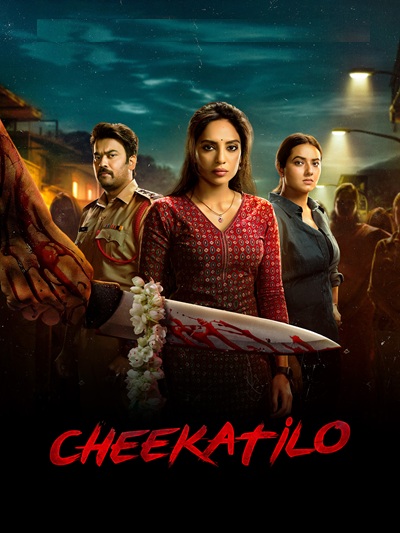
Cheekatilo
Fun Facts of Movie
Cheekatilo is A Dark Telugu Crime Thriller That Cares More About Truth
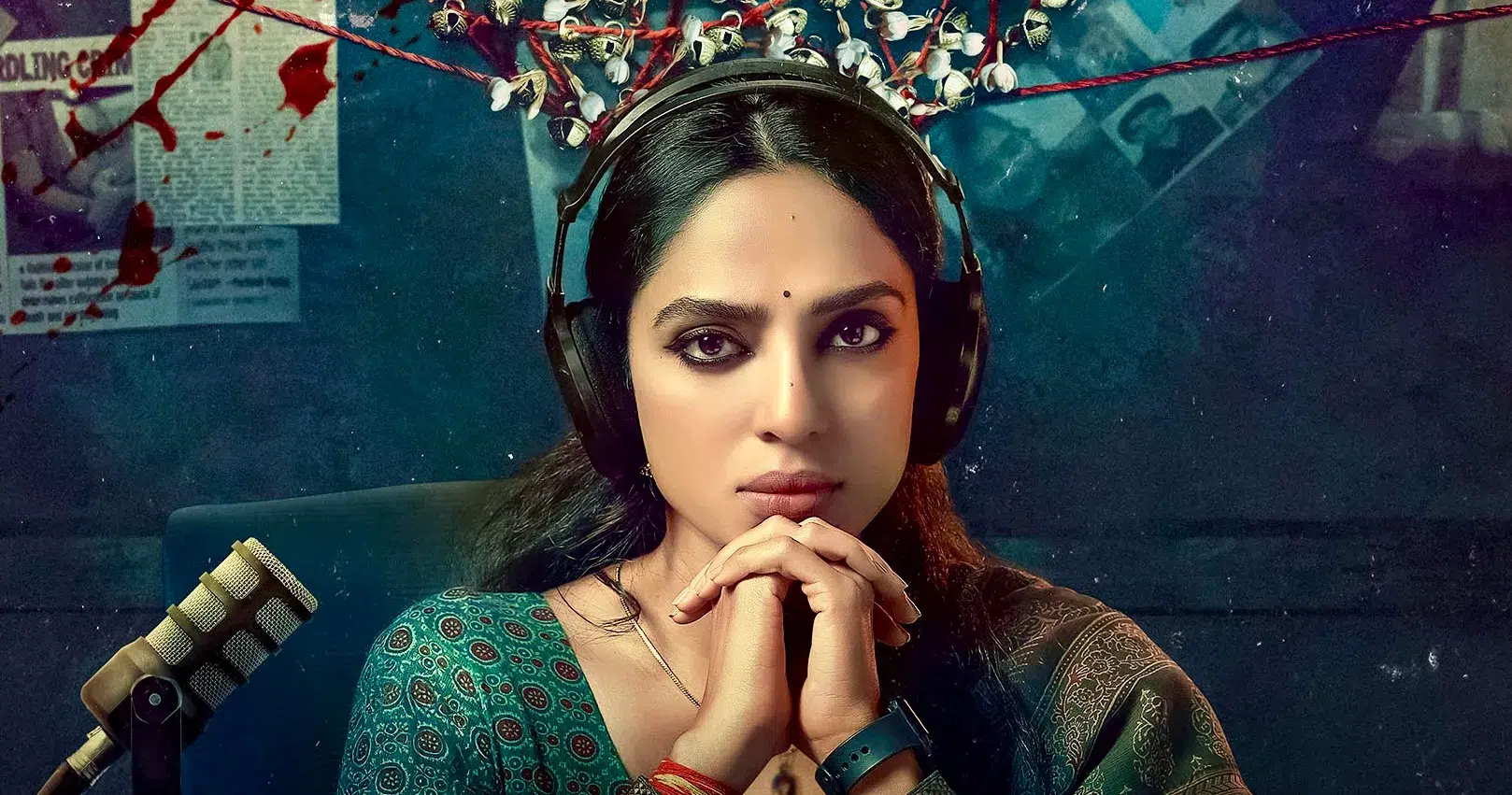
If you’re queuing up Cheekatilo expecting a nonstop, clue-a-minute serial killer puzzle, adjust your expectations a bit. This 2026 Telugu crime thriller, streaming on Amazon Prime Video in the US as of January 23, 2026, plays more like a pressure cooker drama than a roller-coaster whodunit.
It’s made for mystery fans who also want a clear social point. The film is as interested in trauma, silence, and the cost of speaking up as it is in catching the culprit.
A quick, respectful content note before you hit play: the story centers on sexual assault themes and victim blaming, and it can be upsetting even when the visuals aren’t graphic.
What Cheekatilo is about, and why the title confuses some viewers
At its core, Cheekatilo follows Sandhya, a crime news anchor who’s tired of a job that rewards noise over facts. She quits television and starts a true-crime style podcast from home, naming it “Cheekatilo,” a word that signals darkness in both mood and subject. Not long after, a string of killings pulls her into an investigation connected to her friend Bobby, and the case keeps tightening around Sandhya’s own buried pain.
Some viewers stumble over the title because it sounds like it could connect to the infamous real-life serial killer Andrei Chikatilo. It doesn’t. This story is fictional, contemporary, and focused on how communities protect predators through silence. The “darkness” here isn’t just night streets and crime scenes, it’s the everyday kind, the one that shows up when people say, “Don’t talk about it,” or “It’ll ruin the family.”
If you want a sense of how critics frame that intent (and where they think it falls short), this Cheekatilo review in The Hindu captures the general tone: grounded, message-forward, and anchored by its lead.

The story hook: a podcast, a pattern of murders, and a personal past
The hook is simple and effective. A former TV journalist starts a podcast to report crime with more care, then she lands on a case that refuses to stay “just another episode.” The film builds momentum through Sandhya’s reporting, her interviews, and the uneasy feeling that the truth is both close and protected.
Instead of treating the investigation like a board game, Cheekatilo treats it like a bruise you keep pressing. Each new detail doesn’t only point outward to suspects, it points inward to memory. The case pushes Sandhya to re-examine old moments she once minimized, the kind people brush off as “normal,” until they realize how deeply they shaped them.
The result is a thriller that keeps moving, but it’s powered by emotion as much as suspense. When the film is working best, you’re not chasing the next twist; you’re watching a person decide whether she can live with the truth.
Tone and content notes for families and sensitive viewers
This isn’t a gore-heavy watch, but it is heavy. If you’re choosing something for a casual movie night, this one can hit harder than expected.
Here’s the practical “what to expect” guide:
- Crime intensity: Dead bodies, investigation scenes, and a tense, grim mood throughout.
- Sexual violence themes: Assault is central to the story, discussed repeatedly, and tied to systemic shame.
- Emotional weight: The film spends time on fear, disbelief, and how survivors get talked over.
- Who should skip: Anyone who finds sexual assault themes triggering, or viewers looking for light entertainment.
- Who should watch with caution: True-crime fans who can handle the subject but prefer a less graphic approach.

Performances and characters: where the film shines the most
The biggest reason Cheekatilo holds your attention is the acting. The film asks its cast to carry discomfort in quiet ways, in pauses, in the choice to look away, in the moment a character decides to finally say the thing they’ve swallowed for years. When that kind of acting lands, it can feel more intense than any chase scene.
Sobhita Dhulipala plays Sandhya with a steady, lived-in edge. Vishwadev Rachakonda appears as Amar, a key presence around Sandhya as the case escalates. The supporting cast includes Jhansi, Aamani, Ravindra Vijay, and Aditi Myakal as Bobby. Not every character gets a full arc, but the film still benefits from having performers who can suggest a backstory with a glance.
Sobhita Dhulipala carries the film with believable pain and drive
Sobhita’s Sandhya feels like a real person who’s trying to keep functioning. She’s sharp when she needs to be, but never performs toughness like a costume. Her reporter instincts come through in the way she listens and in the calm pressure she applies during conversations.
What stands out most is how she communicates the survivor side of Sandhya without turning her into a symbol. There’s anger, but it’s controlled. There’s fear, but it doesn’t erase her. Even when the script leans into convenient developments, her performance keeps the story emotionally honest.

Supporting roles: helpful, but not all get enough depth
Amar and the people around Sandhya often work as mirrors, showing how different folks react to uncomfortable truths. Some are supportive, some hesitate, some protect their own peace.
The downside is that a few supporting characters feel more functional than fully drawn. They appear to move the plot, deliver a clue, or push Sandhya toward the next step, then fade. That thinness matters because the film wants to talk about society at large, yet it sometimes rushes past the everyday social mechanics that would make those points hit even harder.
Direction, pacing, and the mystery payoff: does it stick the landing?
Writer-director Sharan Koppisetty sets a clear lane: moody crime drama with a social conscience. At around 2 hours 6and minutes, Cheekatilo has enough room to build atmosphere and underline its themes, but it also risks repeating beats. The middle portion can feel like it’s circling the same emotional drain, especially if you’re watching primarily for escalating suspense.
The mystery mechanics are serviceable. You’ll get suspects, confrontations, and a trail that Sandhya follows with increasing urgency. Still, the film doesn’t always stack tension scene-by-scene. It often chooses message and mood over a tight procedural rhythm. Whether that works for you depends on what you want from the genre.

What works: the theme is clear, the mood is steady, the message matters
The film’s clearest strength is its willingness to say the uncomfortable part out loud: abusers don’t survive on secrecy alone; they survive on social help. People look away, they doubt women, they treat reputation like a shield, and they confuse silence with “moving on.”
Cheekatilo also shows how speaking up can feel like stepping into a spotlight you never asked for. The podcast framing fits that idea well, turning “telling your story” into both a tool and a risk.
What may not work for everyone: plot convenience and softer thriller tension
Some story turns arrive a little too easily. Clues can drop into Sandhya’s path, and help can appear right when the plot needs it. If you like gritty realism, you might notice those seams.
And if you’re craving a relentless thriller that keeps tightening its grip, the film’s tension may feel uneven. The reveal aims for emotional impact more than shock value. For some viewers, that’s the point; for others, it can feel like the film saves its strongest punch for theme, not suspense.
Final verdict: who should watch Cheekatilo, and who should skip it
Cheekatilo is best for viewers who like character-driven mysteries, grounded performances, and stories that confront social silence around abuse. It’s also a strong pick if you enjoy investigations with a personal cost, where the lead isn’t just solving a case, she’s reclaiming her voice.
You might want to skip it if you’re sensitive to sexual assault themes, or if you want a tightly plotted procedural where police work and clue trails feel ultra-real. It also may disappoint anyone chasing high-intensity suspense from start to finish.
If you’re deciding what to stream tonight, the official listing on Prime Video’s Cheekatilo page is the simplest place to confirm availability in your region and check the age rating before you press play.
Conclusion
Cheekatilo succeeds most as a performance-led crime drama with an important point to make. Sobhita Dhulipala gives the film its pulse, and the story’s anger at social complicity feels real. The tradeoff is a thriller engine that doesn’t always build pressure in a clean upward line.
If you watch it, share what you thought about the ending and whether the message landed for you. And if the themes hit close to home, it’s okay to choose something lighter; your peace matters.
Trending Movies:
Sarrainodu Is Pure “Mass” Energy, Loud and Proud