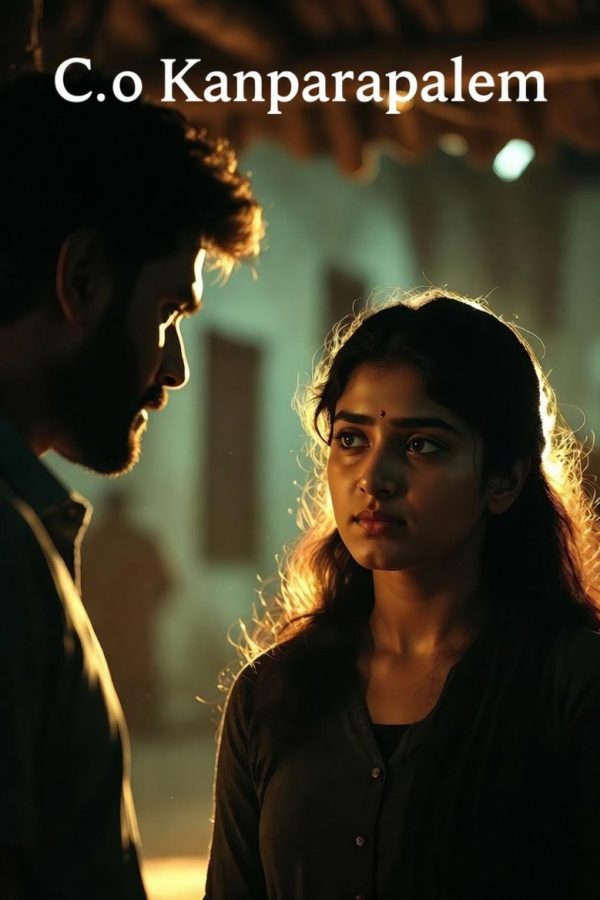
C/o Kancharapalem
Fun Facts of Movie
C/o Kancharapalem: A Heartwarming Ode to Love and Life

C/o Kancharapalem (also known as Care of Kancharapalem) is a 2018 Telugu-language slice-of-life anthology drama and the debut feature from director Venkatesh Maha. Set in the real Kancharapalem neighbourhood of Visakhapatnam, Andhra Pradesh, it tells four offbeat love stories while touching on age, religion, caste, class, and the taboos that shape daily life.
One of the film’s standout choices is its casting. It uses more than 80 non-professional actors, most of them locals, which gives the performances an easy, lived-in feel. The film was made on a modest budget by Praveena Paruchuri (an American filmmaker) and distributed by Rana Daggubati’s Suresh Productions. It premiered at the New York Indian Film Festival and earned strong reviews for its grounded portrayal of community life, warm humour, and emotional weight.
With an 8.8/10 rating on IMDb, it’s often described as a rare find in Telugu cinema.

Plot Overview (Mild Spoilers)
The film follows four separate romances:
- A schoolboy’s gentle first crush.
- A young man’s interfaith relationship.
- A devotee’s love that crosses a hard line.
- A middle-aged bachelor’s unexpected workplace connection.
Plot and Structure
The story moves through four parallel tracks in Kancharapalem, a busy place where everyone talks and rumours travel fast.
- A schoolboy develops a quiet crush on his devout Christian classmate.
- A young man falls for a woman from another community, and the pressure builds.
- A middle-aged man becomes drawn to a dancer and sex worker, despite the judgment around him.
- An older, unmarried office attendant forms a soft bond with a widowed colleague.
Between these threads, the film keeps returning to everyday moments, trains passing nearby, bhajans in the background, neighbours sharing jokes and gossip. It deals with subjects like interfaith love, caste barriers, widow remarriage, and social shame without turning preachy. Near the end, a smart and emotional reveal pulls the stories into a single frame and changes how you read what came before.

Strengths:
Authenticity and Performance’s biggest strength here is how real it feels. Venkatesh Maha spent time living in Kancharapalem and drew heavily from real places and people. The cast, including Subba Rao as Raju, Radha Bessy as Radha, and young actors such as Kesava Karri, come across as natural rather than polished. The dialogue feels like everyday speech, and the sync-sound keeps the small sounds of the neighbourhood in the mix, which adds to the sense that you’re watching real life unfold.
The humour also lands because it grows out of the characters and situations, not set-ups. Sweekar Agasthi’s folk-leaning music supports the mood without taking over.
Themes and Social Commentary
C/o Kancharapalem offers a quiet critique of the rules people live by. It shows how religion, caste, age gaps, and constant gossip can crush relationships. At the same time, it leaves room for tenderness and small acts of courage. The film keeps coming back to the idea that love doesn’t fit neatly into social boxes, and that life, with all its joy and loss, changes people in lasting ways. The final twist leans into acceptance and forgiveness, and the calm that can follow grief.

Direction and Technical Aspects
Maha’s direction stays patient, letting the emotions build step by step. Cinematography by Aditya Javvadi and Varun Chaphekar uses natural light to capture the colour and movement of the suburb. The editing keeps a steady pace and rewards viewers who settle into its rhythm.
A couple of small issues remain. The slow start may test some viewers, and a few side threads feel uneven. Even so, the film’s honesty and heart carry it through.
Conclusion
C/o Kancharapalem stands out as a human, unconventional Telugu film that puts story and character first. It’s funny in places, sad in others, and often quietly uplifting. The ending lingers, helped by the way it ties the whole film together. In a space often driven by stars and spectacle, this low-budget film shows how far simple, truthful storytelling can go. Rating: 4.5/5.
The film builds its four stories carefully, showing both the sweetness and the ache of love under strict social rules. A moving twist late in the film connects everything and highlights how unpredictable life can be, and how pure love can feel.
Critics such as Baradwaj Rangan have described it as “a deeply moving romantic drama” that rises above the usual anthology format.
Trending:
Bad Girl Movie Review: A Bold, Honest Look at Growing Up