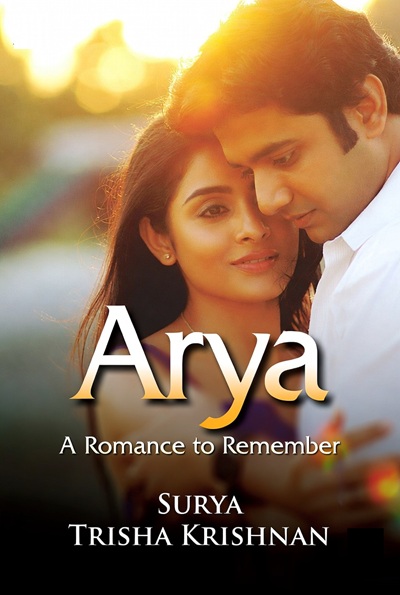
Arya
Fun Facts of Movie
The Unforgettable Spark: Why Arya (2004) Still Feels Like a Telugu Romantic Classic
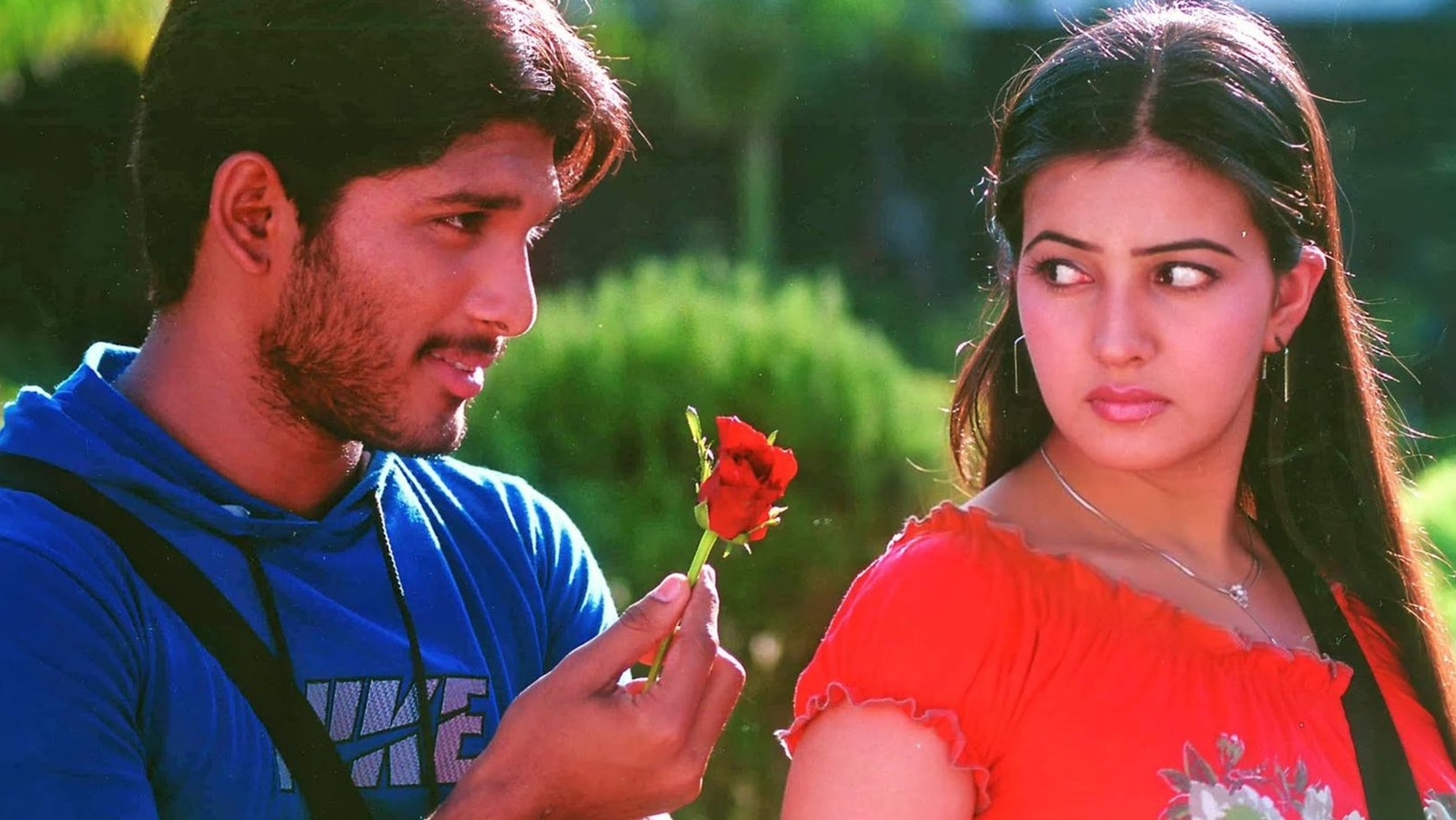
Released on May 7, 2004, Arya arrived with a fresh energy that Telugu audiences didn’t forget. Director Sukumar, making his debut, took a familiar idea (one-sided love) and gave it warmth, humor, and a strong commercial tone. The film starred Allu Arjun in the role that pushed him into the spotlight, with Anuradha Mehta as the female lead and Siva Balaji as the rival. Romance, comedy, action, and drama all sit in the same story, and it works because the film keeps its emotions simple and direct.
Made on an estimated budget of about ₹4 crore, Arya reportedly earned around ₹30 to ₹31 crore worldwide. It ranked among the top Telugu hits of the year and landed blockbuster status. It also helped turn Allu Arjun into a youth favorite, including the “Mallu Arjun” tag in some areas, and introduced Sukumar as a filmmaker with his own style.
Plot Breakdown: Love Without Control
The story follows Arya (Allu Arjun), a cheerful college student who does things his way. On his first day, he sees Geetha (Anuradha Mehta) and falls for her instantly. Geetha, though, is stuck with Ajay (Siva Balaji), the aggressive son of a powerful minister. Ajay pressures her into staying with him, even using emotional blackmail and threats of self-harm.
Arya proposes to Geetha openly, right in front of Ajay, and the tension begins. Still, Arya doesn’t behave like a typical possessive hero. He doesn’t treat love like a deal or demand a yes. He keeps showing up for Geetha, supports her when she struggles, and tries to bring peace when things go wrong. At times, he even helps her and Ajay when the situation calls for it.
The film moves through college comedy, emotional clashes, fights with goons, and moments where Arya chooses sacrifice over pride. By the end, the message lands clearly: love means care, not control. The final stretch leaves viewers emotional, but also satisfied.
Sukumar’s writing keeps the story from turning crude or loud for no reason. The tone stays mostly clean, which helped it work as a family-friendly entertainer while still offering big moments.
Performances: The Role That Made Allu Arjun a Star
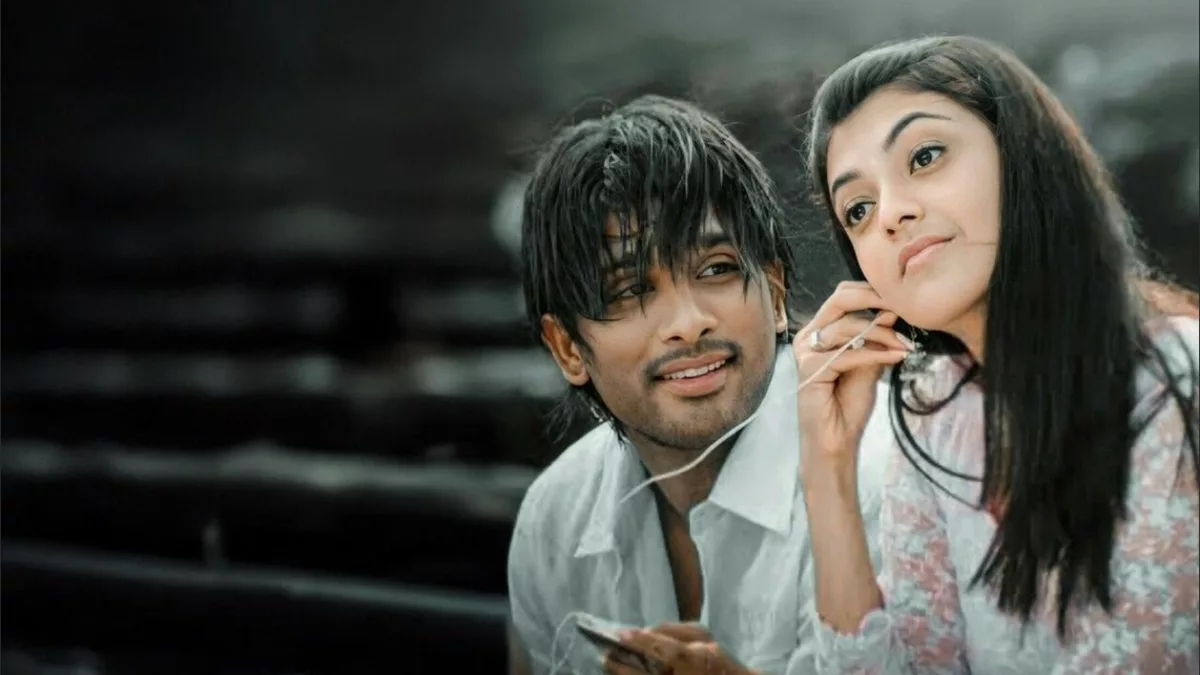
Allu Arjun’s performance is the center of Arya. He plays the character with ease, mixing fun, emotion, and confidence without looking forced. His dance numbers became a major talking point, and his expressions carry key scenes without heavy dialogue. Fans and critics often point to Arya as the film that turned him from a rising actor into a full-on star. The way he portrays love as joyful and giving brought him wide praise and attention.
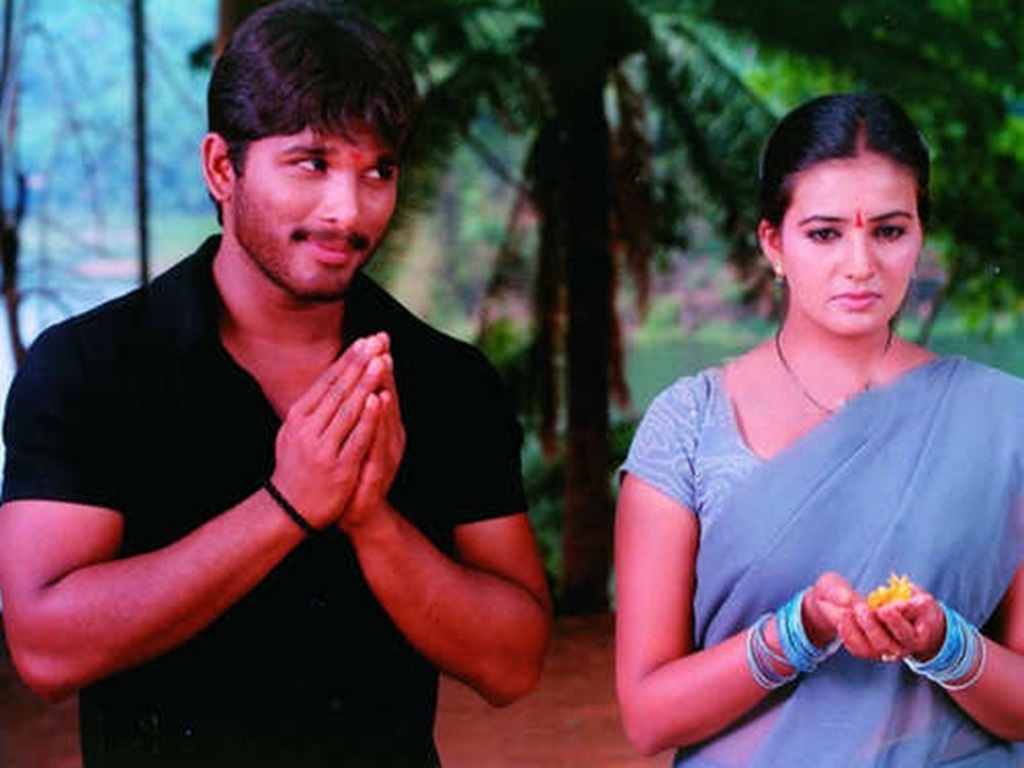
Anuradha Mehta plays Geetha as quiet and reserved, which fits the character, though her role doesn’t always give her room to stand out. Siva Balaji handles Ajay well, showing both threat and insecurity. Comedians and supporting actors like Sunil, Venu Madhav, and others add energy to the college setting and keep the lighter scenes moving.
Direction and Technical Highlights
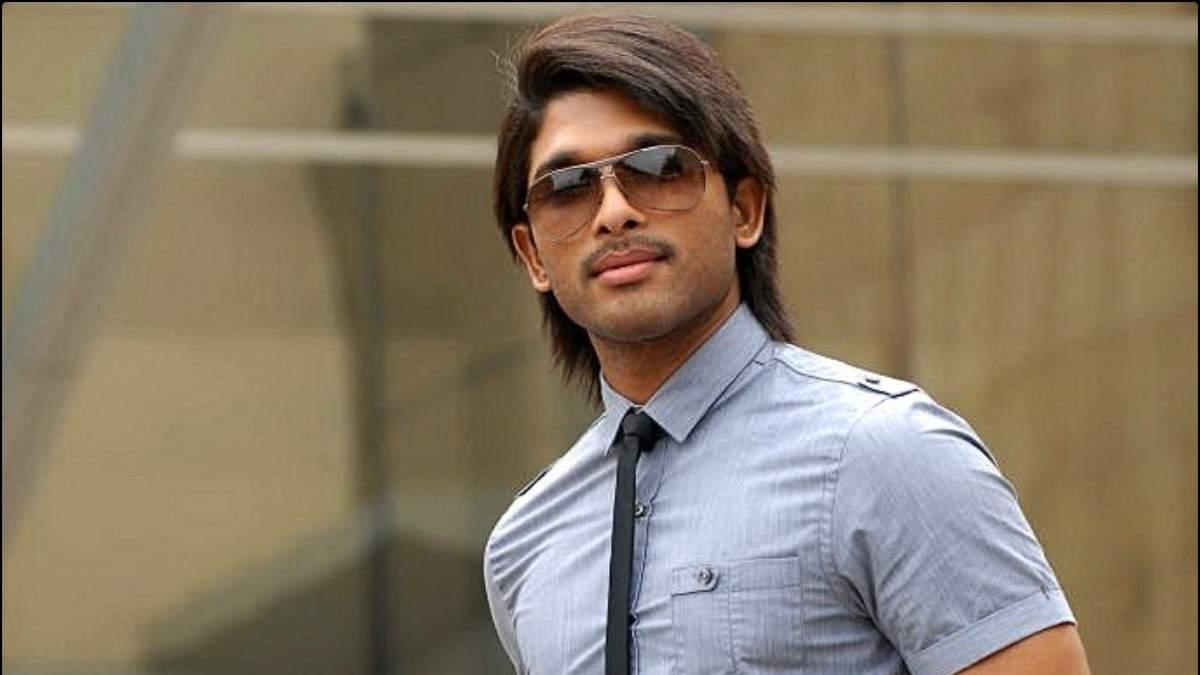
For a first film, Sukumar shows strong control. He balances mainstream scenes with emotion-driven writing, which helped the film feel more grounded than many college romances of the time. The pacing stays steady, mixing fun campus moments with sharper conflict, and it builds toward a clean payoff.
Cinematographer R. Rathnavelu gives the film bright, lively visuals, from open outdoor shots to sharper action scenes. The background score supports the mood and helps emotional beats land when they need to.

Music: The Film’s Pulse
Devi Sri Prasad delivered one of the most memorablealbums of the era. Tracks like “Feel My Love” became staples, and the dance numbers stayed popular for years. The songs don’t just sit in the film; they push scenes forward and lift the mood. Even decades later, the soundtrack still gets played, especially among fans who grew up with the film.
Strengths and Criticisms: How Time Changed the Conversation
The biggest strength of Arya is its heart. Arya’s view of love, caring without owning, gives the story its identity. The mix of romance, comedy, and action keeps it entertaining, and the cleaner tone adds to its rewatch value.
At the same time, newer viewers sometimes point out issues in how Geetha’s agency is written and how one-sided love is shown on screen. Some moments can feel dated, especially with today’s stronger focus on consent and personal choice in romance stories. Still, the film’s intent stays clear: Arya’s love is shown as giving, not threatening, and the character’s choices shape the message.
When it was released, the film earned strong reviews, including “a class apart” from Idlebrain.com (4/5) and praise from IndiaGlitz for its fun mix. It also won major recognition, including the Filmfare Award for Best Director – Telugu for Sukumar, along with Nandi and CineMAA Awards.
Cultural Impact and Legacy
Arya didn’t fade after its theatrical run. It was remade in multiple languages (including Bengali, Odia, Sinhala, and Tamil as Kutty) and later inspired the follow-up, Arya 2 (2009). Over time, it built a loyal fanbase that still revisits it for Allu Arjun’s dance and screen presence, DSP’s music, and the film’s feel-good tone. Allu Arjun has also spoken about how important the film was to his career.
At a time when many films followed fixed formulas, Arya stood out by keeping its emotions front and center. It also helped shape the wave of youth-driven Telugu romances that came after it.
More than 20 years later, Arya still holds its place as a go-to romantic entertainer. It captures young love in a bright, open way, while still delivering laughs, action, and strong emotional payoff. With Allu Arjun’s energy, Sukumar’s confident debut, and a soundtrack that refuses to age, Arya remains a Telugu classic many viewers return to for comfort and joy.
Trending Movies:
Chatrapathi Movie Review: Big Hero Energy, Familiar Beats