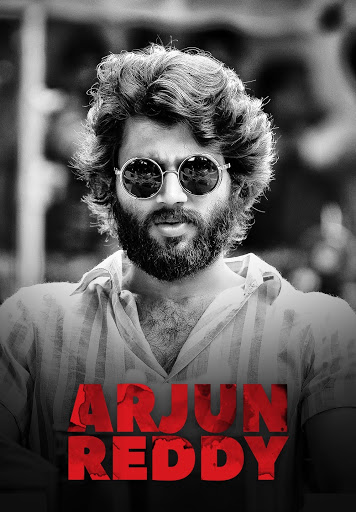
Arjun Reddy
Fun Facts of Movie
Arjun Reddy: A Blunt, Unfiltered Look at Love and Self-Destruction
Introduction: A Shock to Telugu Cinema
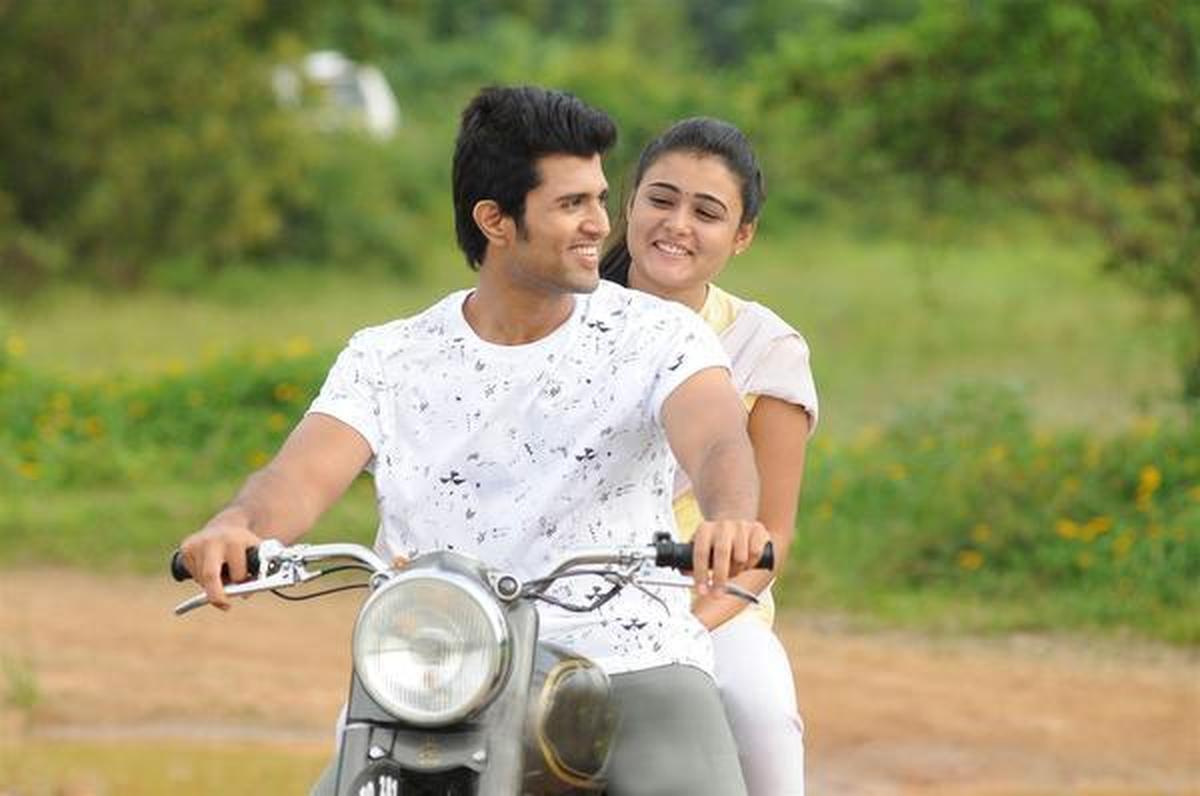
Released in 2017, Arjun Reddy marked the debut of director Sandeep Reddy Vanga and arrived with a punch. Vijay Deverakonda plays Arjun, and Shalini Pandey plays Preeti. Together, they led a film that refused to play it safe. It pushed boundaries with its language, intimacy, and a lead character who’s hard to excuse but hard to ignore.
What starts with a college romance quickly turns into something darker. The story leans into obsession, rage, and the damage people do when they can’t let go. Many compared it to a modern Devdas. It also became a cultural talking point, praised for its honesty and criticized for its attitude toward masculinity and control. Years later, the film still gets discussed, helped by remakes like Kabir Singh and a wave of more intense, character-led films that followed.
Plot Summary: A Love Story That Collapses Into Chaos
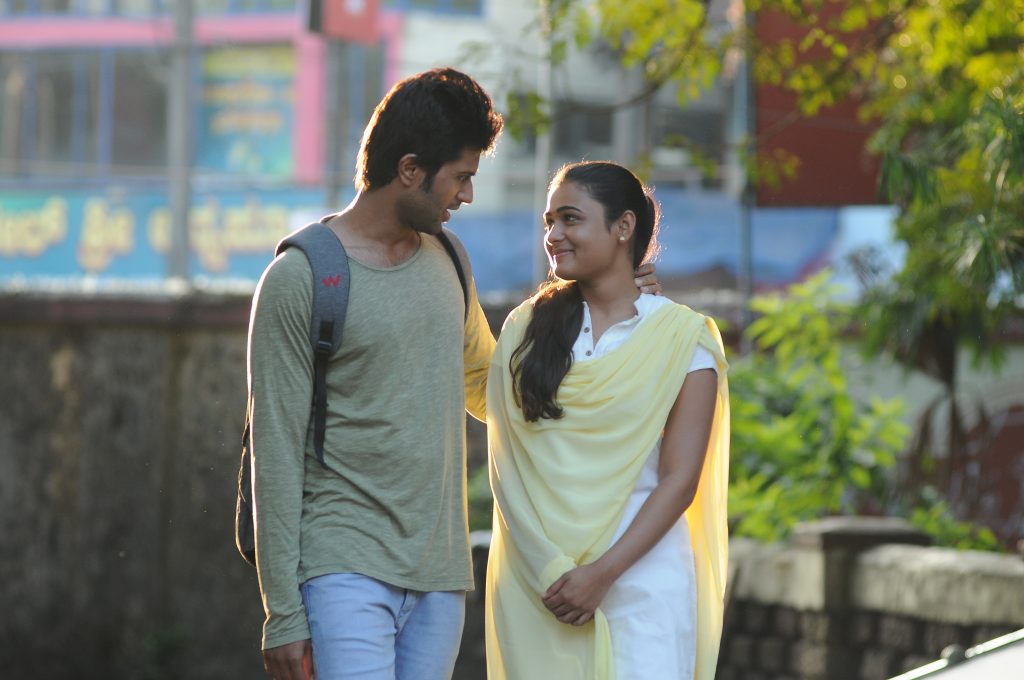
Arjun Reddy Deshmukh is a standout medical student at St. Mary’s College. He’s smart, driven, and headed for a top career, but he’s also unpredictable and angry. When he notices first-year student Preeti Shetty, he publicly declares she belongs to him. It’s an alarming moment, and the film doesn’t soften it. Preeti, however, returns his interest, and their relationship grows over the next three years.
Their bond is passionate and deeply tied to possession and dependence. They share real affection, but it often comes with control and jealousy. That relationship falls apart when Preeti’s family steps in and arranges her marriage, partly due to caste differences. Arjun can’t handle it. He collapses into alcohol, drugs, casual sex, and self-sabotage, both personally and at work.
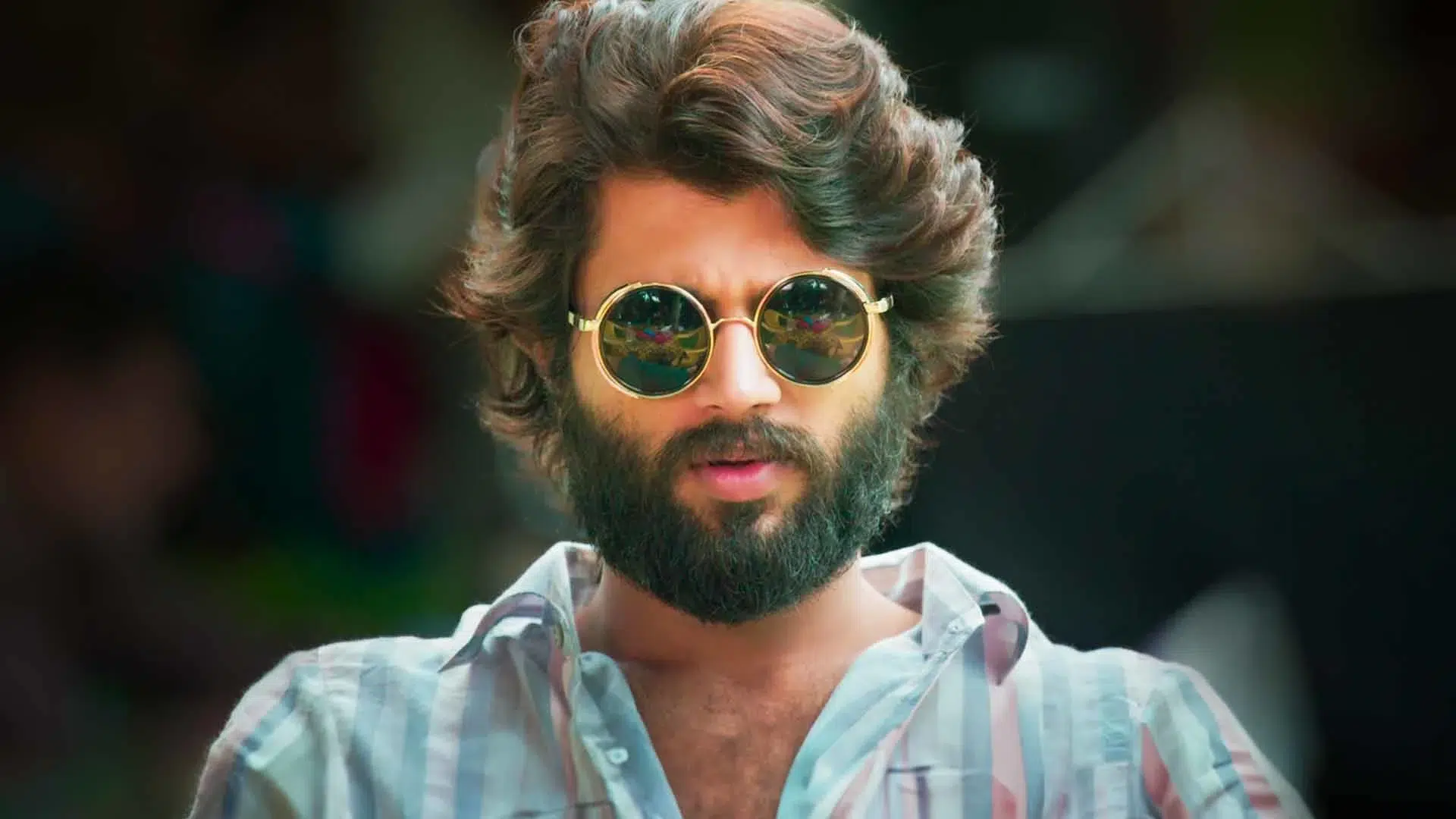
The story is told in a non-linear style. It opens with Arjun already wrecked, with a heavy beard and a blank stare, as he looks back on how he got there. The spiral leads to a court case where his medical license hangs in the balance. From there, the film follows his slow attempt to stand up again. It ends with a reunion that some viewers found moving, and others found hard to accept.
Performances: Vijay Deverakonda’s Breakout Role
Vijay Deverakonda carries Arjun Reddy with a performance that feels exposed and intense. He plays Arjun as both magnetic and frightening. He can be tender one moment, then cruel the next. His shift from confident student to wrecked addict looks and feels believable, helped by his physical change and raw delivery.
He doesn’t ask the audience to approve of Arjun. He plays him as a person with talent, pride, and ugly impulses, sometimes all in the same scene. The role made Deverakonda a star and became one of the most talked-about performances of the decade.
Shalini Pandey brings a quiet presence to Preeti. Her character is soft-spoken, but she isn’t empty. She shows warmth and loyalty, and her stillness often contrasts with Arjun’s storm. Rahul Ramakrishna, as Shiva, adds humor and balance as Arjun’s friend. The supporting cast, including Kamal Kamaraju and Kanchana, helps the family threads feel grounded.
Direction and Technical Strength: Vanga’s Straight-At-You Style
Sandeep Reddy Vanga directs with confidence and a clear point of view. The film uses long scenes, natural light, and a grounded look that keeps emotions close to the surface. The pacing slows during Arjun’s downfall, and that drag is partly the point. His life stops moving forward, and the film reflects that.
Radhan’s songs and Harshavardhan Rameshwar’s background score support the mood without feeling polished or overly sweet. Raju Thota’s cinematography captures both intimacy and disorder, from private moments between the couple to public blow-ups that leave damage behind.
Vanga doesn’t treat love as pure or heroic. In this film, love can be ugly, selfish, and still feel real. That approach stood out in Telugu cinema at the time and opened the door for stories that didn’t need a perfect lead.
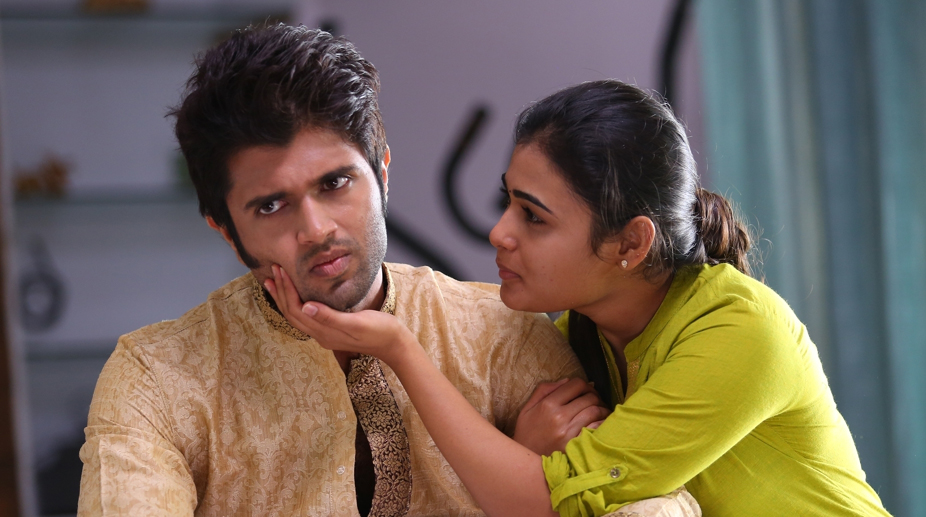
Themes and Controversies: Obsession, Control, and Consequences
At its core, Arjun Reddy is about obsession and what happens when someone ties their entire identity to another person. It also touches on addiction, anger, and social pressure, including caste. The film shows how Arjun’s talent can’t save him from his own behavior.
The backlash was loud, and it wasn’t random. Critics said the film presents possessiveness, misogyny, and violence without enough pushback. Arjun’s behavior, including aggression and how he talks about women, made many viewers uncomfortable. Some worried it could normalize that attitude, especially for younger audiences.
Others read it as a warning story. Arjun’s choices cost him relationships, health, and career stability. The film shows consequences, even if it doesn’t lecture. The explicit scenes, including sex, drugs, and heavy profanity, also sparked attention. Telugu films rarely went this far at the time, and the A certificate only added to the buzz.
The ending remains a big debate. Some feel it rewards him too easily. Others see it as a messy kind of hope, tied to the film’s belief in love that doesn’t quit.
Conclusion: Messy, Memorable, and Still Hard to Forget
Arjun Reddy isn’t a clean film. It runs long, slows down in the second half, and leaves moral questions open. That’s part of why it sticks. It’s bold, emotional, and often uncomfortable. It doesn’t chase a neat message, and it doesn’t try to make its hero easy to like.
For viewers who want Telugu cinema that feels raw and personal, it’s a must-watch. Love it or hate it, Arjun Reddy changed the conversation around romance films and anti-heroes. Rating: 4/5. A cult favorite that still divides audiences.
Trending:
Evaru Movie Review: A Twist-Heavy Crime Story That Rewards Attention