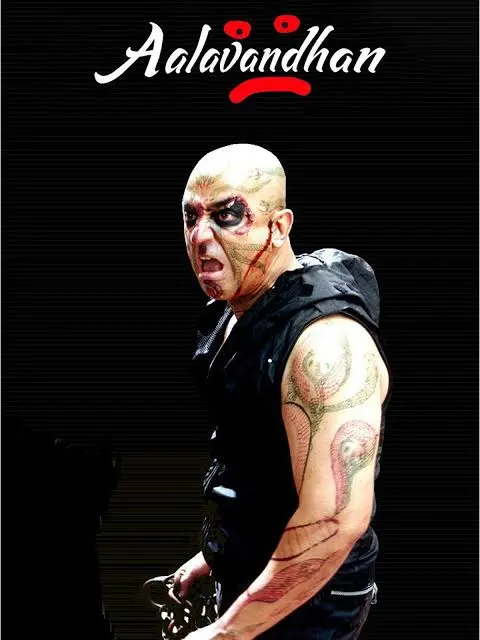
Aalavandhan
Fun Facts of Movie
Aalavandhan: A Fearless Psychological Action Thriller That Arrived Early
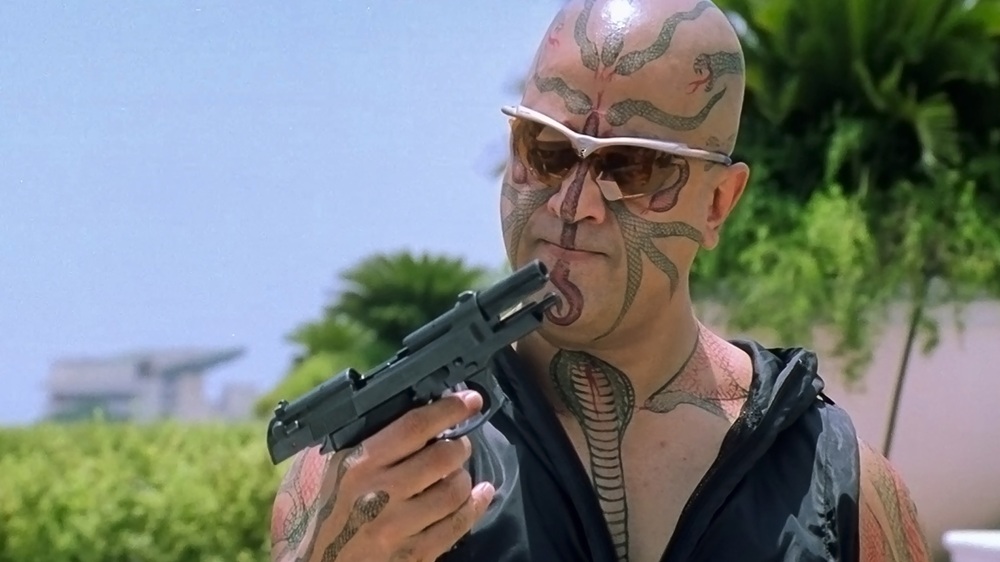
Released on November 16, 2001, Aalavandhan (released in Hindi as Abhay) is a dark psychological action thriller directed by Suresh Krissna. Kamal Haasan wrote the screenplay and plays two roles. The story is based on Haasan’s 1984 novella Dhayam. It deals with childhood trauma, schizophrenia, split identity, and violence that spins out of control.
Produced by Kalaipuli S. Thanu, the film was made on a rising budget and shot at the same time in Tamil and Hindi. The cast includes Raveena Tandon, Manisha Koirala, and a solid group of supporting actors. It struggled at the box office and got mixed reviews in 2001, but later built a strong cult following for its bold style and technical ambition.
These posters underline the film’s central contrast, with Kamal Haasan shown as both the steady commando and the dangerous man driven by illness.
Plot Summary (Spoiler Warning)
The plot follows twin brothers whose lives split apart after a traumatic childhood. Major Vijay (Kamal Haasan) grows into a disciplined army officer. He lives by routine and control, and he plans to marry Tejaswini (Raveena Tandon), a TV news anchor.
His twin brother Nandu (also Kamal Haasan) lives in a mental institution. He carries deep wounds from an abusive stepmother (Kitu Gidwani). When Vijay introduces Tejaswini to Nandu, Nandu’s mind twists what he sees. He starts to believe Tejaswini is his stepmother returned.
Nandu escapes the asylum and turns violent, convinced he’s saving Vijay. In his eyes, Tejaswini becomes the source of evil. The film shows Nandu’s unstable inner world through hallucinations, drug-fueled moments, and harsh bursts of brutality, leading to a final clash between the brothers.
The storytelling uses symbols, magical touches, and jumpy flashbacks. One of the most talked-about scenes is an animated sequence that portrays Nandu’s childhood terror. It was a daring move for Indian cinema at the time, and it later drew comparisons to the anime section in Quentin Tarantino’s Kill Bill.
The animated fight scenes still stand out, mixing live action and graphic visuals to show violence that feels unreal and personal at once.
Performances
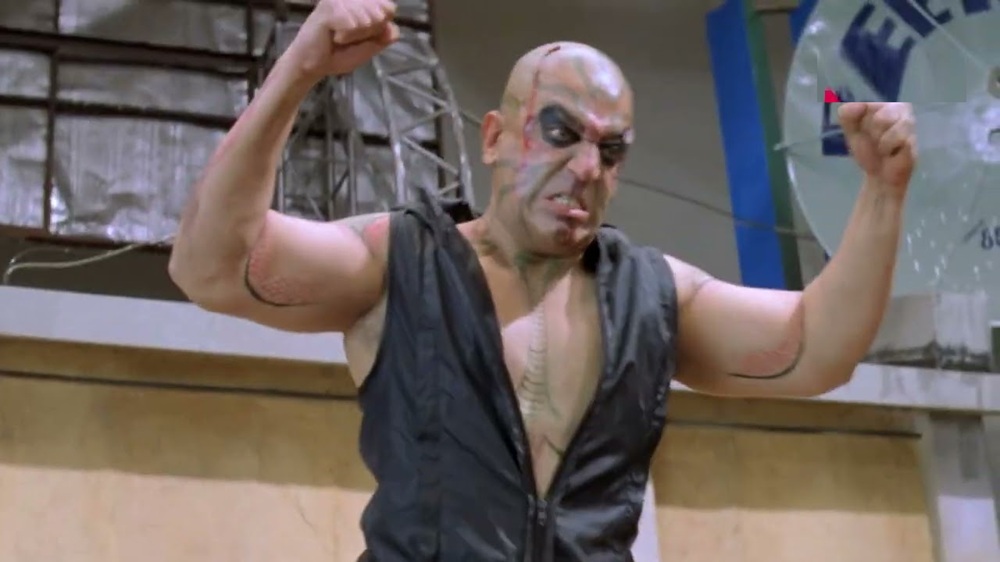
Kamal Haasan carries the film with two sharply different performances. Vijay is calm, controlled, and heroic. Nandu is raw and unpredictable, both frightening and sad. Haasan changes his body and manner completely for Nandu, including a bald look and a heavier build. His tense posture, harsh voice, and sudden mood swings make the character hard to watch, but hard to forget.
His commitment shows in the physical work and in scenes that pushed boundaries (including nude moments that were censored). Raveena Tandon gives Tejaswini warmth and backbone, which helps ground the film. Manisha Koirala appears in a brief, high-energy special song. Actors like Sarath Babu add weight, but the spotlight stays on Haasan.
Haasan’s turn as Nandu remains the film’s most chilling element, a performance built on fear, pain, and rage.
Scenes that place the twins side by side highlight the core idea of the story, the push and pull between the human and the beast.
Direction and Technical Strength
Suresh Krissna keeps control of a tricky script, mixing action set pieces with risky, experimental choices. Cinematographer Tirru brings a striking look, and the film uses motion-control work to handle dual-role shots with fluid movement. For 2001, those visuals felt unusually advanced in Indian cinema.
The special effects won the National Award for Best Special Effects. The film blends live action, green screen, morphing, and animation in ways that still look thoughtful. The action is intense and physical. The original cut ran about 178 minutes, and the pacing can wobble, but the tension keeps stacking as the story moves forward.
Shankar-Ehsaan-Loy composed the songs for their Tamil debut, with background score by Mahesh. Tracks like “Aalavandhan” help set the mood. “Kadavul Paadhi Mirugam Paadhi,” sung by Haasan, fits the film’s split-identity theme, and Vairamuthu’s lyrics add an extra layer of meaning without slowing the film down.

What Works, and What Doesn’t
The biggest strength of Aalavandhan is its nerve. It doesn’t soften its view of mental illness, violence, drug use, or trauma. That honesty was rare in mainstream Indian films of that period. The film also shows how childhood damage can shape an adult life in ugly, lasting ways.
The same choices also became its weakness. Some hallucination scenes run long, and the repeated beats can feel heavy. The tone is bleak, and it likely pushed away viewers expecting a more typical action film. The heavy pre-release hype didn’t help, and the movie later faced cuts for theatrical versions.
Legacy and Reception
Despite a wide release, Aalavandhan failed commercially at first. Reviews at the time were split. Many praised the visuals and effort, while others called it excessive. Over the years, the film found a new audience. It earned cult status, played at Fantastic Fest in 2016 to strong reactions, and was listed by Rediff among Kamal Haasan’s best work.
A remastered and trimmed version released in 2023 brought fresh attention and helped more viewers re-evaluate what the film was trying to do. Today, it’s often discussed as an early example of Indian cinema taking on darker psychological themes with real style.
Conclusion
Aalavandhan isn’t a comfort watch, and it never tries to be. It’s best for viewers who like intense psychological thrillers and films that take risks. Kamal Haasan’s dual performance and the film’s bold visual choices carry it through its rough edges. More than 20 years later, it still stands as one of his most daring experiments, and a film that rewards patient viewers willing to sit with its darkness.
Trending:
Athadu Movie Review: A Hitman’s Journey to Redemption