

Mazaka, the 2025 Telugu romantic comedy directed by Trinadha Rao Nakkina, sets out to be a family entertainer built around an unusual father-son relationship. The film starts with a fun idea and makes good use of the natural chemistry between its leads, Sundeep Kishan and Rao Ramesh. However, it struggles with uneven writing, stale humour, and an unnecessarily long runtime. What begins as a fresh, chaotic comedy slowly slips into a predictable and at times tiring second half.
The Core Plot of Mazaka: Romance, Ego, and Family Drama
The central conflict is where Mazaka works best. Venkata Ramana (Rao Ramesh) is a caring single father who is desperate to find a suitable bride for his son, Krishna (Sundeep Kishan). His biggest obstacle is the lack of a mother in the household. In their conservative social circle, families hesitate to give their daughters into a home without a female head. To fix this, Ramana decides that he should get married first.
This choice creates parallel love tracks. Krishna falls for Meera (Ritu Varma), while Ramana is instantly drawn to Yashoda (Anshu). The story by Prasanna Kumar Bezawada brings in a major twist at the interval. Meera and Yashoda are niece and aunt, and they cannot stand each other because of an old family feud.
Adding more tension, Bhargav Varma (Murali Sharma) enters the picture. He is Meera’s father, Yashoda’s brother, and an arrogant businessman with a long-held grudge against Ramana and Krishna. He agrees to both matches only if the father and son can mend the rift between the aunt and niece. On paper, this setup is perfect for continuous madcap comedy and emotional fireworks. On screen, the execution is patchy, and many gags miss the mark.
Performances: The Lead Pair Holds the Film Together
The biggest strength of Mazaka lies in its cast, especially Rao Ramesh and Sundeep Kishan.
- Rao Ramesh gives a layered and engaging performance as Venkata Ramana. He shifts smoothly from a doting, slightly overprotective father to a man discovering love in his 50s. His sharp comic timing powers most of the film’s best scenes, particularly his interactions with Anshu and the well-staged “comedy of errors” stretch before the interval. His emotional moments, especially one key scene with Ritu Varma later in the film, highlight his seasoned acting prowess and strong screen command.
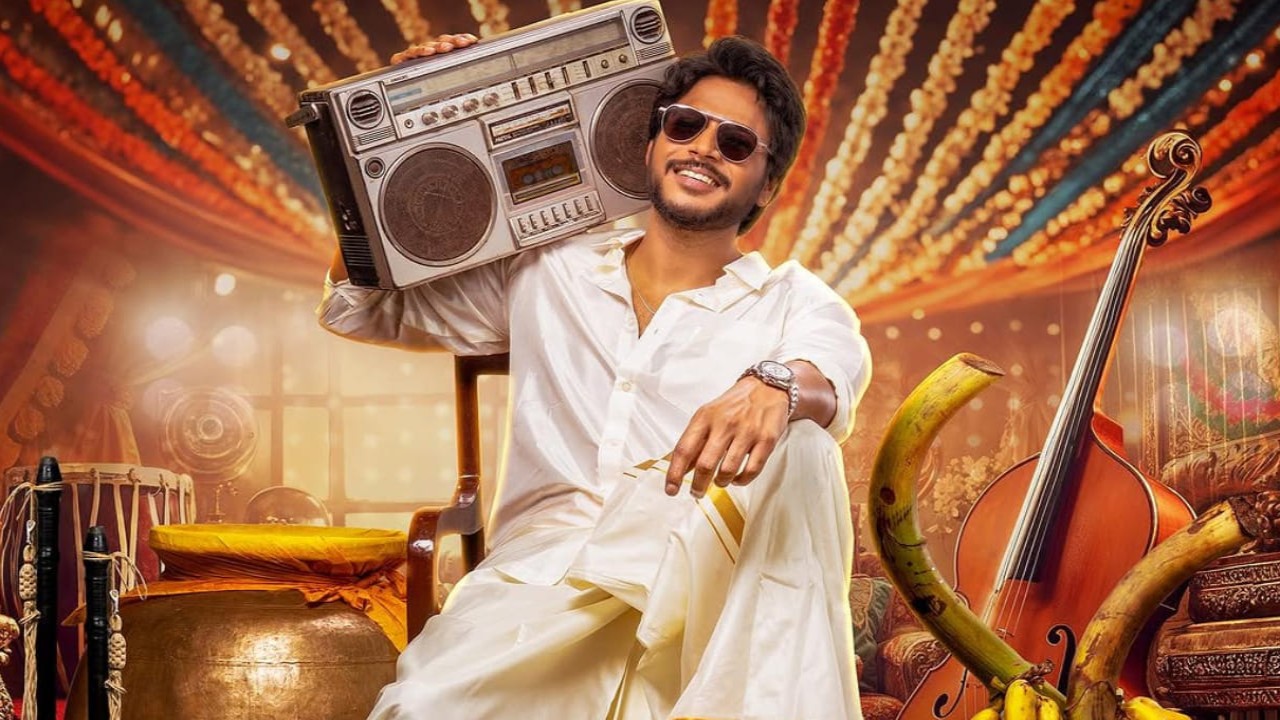
- Sundeep Kishan is lively and likable as Krishna. He brings energy, charm, and a casual style of humour that fits the role well. His chemistry with Rao Ramesh feels real and warm, and their bond forms the emotional core of the film.
- Ritu Varma has a strong presence but gets stuck with a thinly written character. Meera serves the plot but has little depth or growth, which limits what Ritu can do.
- Anshu, returning to the screen, plays Yashoda with sincerity. However, her character’s backstory, including the reason she is still single, feels forced and not very believable.
- Murali Sharma plays Bhargav Varma with his usual ease, but the role is quite generic. He ends up as yet another business tycoon antagonist seen often in Telugu commercial cinema.
Direction and Technical Work: A Missed Opportunity
Director Trinadha Rao Nakkina, who has handled commercial entertainers well in the past, struggles to keep a consistent narrative tone in Mazaka. The first half is decent, with some fun situational comedy and a promising setup. Once the film enters the second half, the energy dips. The script leans on repetitive jokes, loud set pieces, and plot turns that feel too convenient or simply illogical. The interesting premise slowly gets buried under a cluttered screenplay, co-written by Prasanna Kumar Bezawada, that wanders in circles instead of moving forward with purpose.
On the technical front, the film is serviceable but not memorable. Leon James’ music is underwhelming. The songs do not stay with you, and they lack the punch that commercial films often rely on. The background score is fine in parts, but does not lift the key comedic or emotional scenes in a big way. Nizar Shafi’s cinematography adds colour and brightness to the Visakhapatnam backdrop, which gives the film a pleasant look.
The biggest technical issue lies in Chota K. Prasad’s editing. At around 150 minutes, Mazaka feels stretched well beyond its natural length. Several scenes repeat the same joke or emotion. A tighter cut, trimming at least 20 minutes, could have made the film crisper and far more engaging.

Final Verdict
Mazaka is a textbook example of a solid idea let down by shaky writing and weak cinematic consistency. The heartfelt father-son bond and the standout performances from Rao Ramesh and Sundeep Kishan keep the film afloat, especially in the first half, which works as a passable watch. There are a few genuine laughs and some sweet moments scattered throughout.
However, the film gradually slides into a stretched, formula-heavy climax, weighed down by old-school comic tropes. The inclusion of stalking as a form of romance feels dated and uncomfortable, and it pulls the film further down.
In the end, Mazaka functions as a light-hearted family outing if you are willing to overlook a lot of logic gaps and a wobbly second half. It offers “Majaa” (fun) in short bursts rather than as a full package. With sharper writing and tighter editing, it could have been a much more effective romantic comedy. As it stands, it is a one-time watch, mainly for fans of the lead actors, and unlikely to leave a strong or lasting impression.