

Mathu Vadalara Movie Review (2019): A Dark, Funny Crime Ride That Still Works in 2026
Some movies don’t need a big star or a huge budget to stay in people’s watchlists. Mathu Vadalara is one of them. Released in 2019, this Telugu comedy-crime-thriller is still searched because it feels fresh, it’s mean in a playful way, and it keeps tossing small surprises right when you think you’ve caught up.
This is a spoiler-light Mathu Vadalara movie review, so you’ll get the tone, the setup, and what works (and what doesn’t) without giving away the big turn. Quick verdict tease: if you enjoy dark humor, buddy chaos, and a story that snowballs fast, this one is built for you.
Mathu Vadalara review in one minute, what kind of movie is it?
Mathu Vadalara is a genre mash-up that mostly behaves like a crime thriller, but it’s powered by comedy. The laughs don’t come from separate “comedy scenes.” They come from panic, bad timing, and people making the worst possible choice at the worst possible moment.
The vibe is tense but playful. The pace starts a bit patient, then turns into a runaway shopping cart once the main incident hits. A big part of the fun is watching ordinary guys try to act “smart” while everything around them collapses.
If you’re wondering what the humor feels like, think situational comedy plus buddy banter, with the kind of chaos that makes you laugh and wince at the same time.
A quick viewing guide:
- If you like crime comedies where problems multiply fast, you’ll enjoy this.
- If you like single-location tension (hallways, doors, neighbors, security cameras), it scratches that itch.
- If you like dark humor that doesn’t pause the plot, it fits.
- If you want a slow, serious crime drama with grounded realism, this might not be your style.
What it is about (spoiler-light story setup)
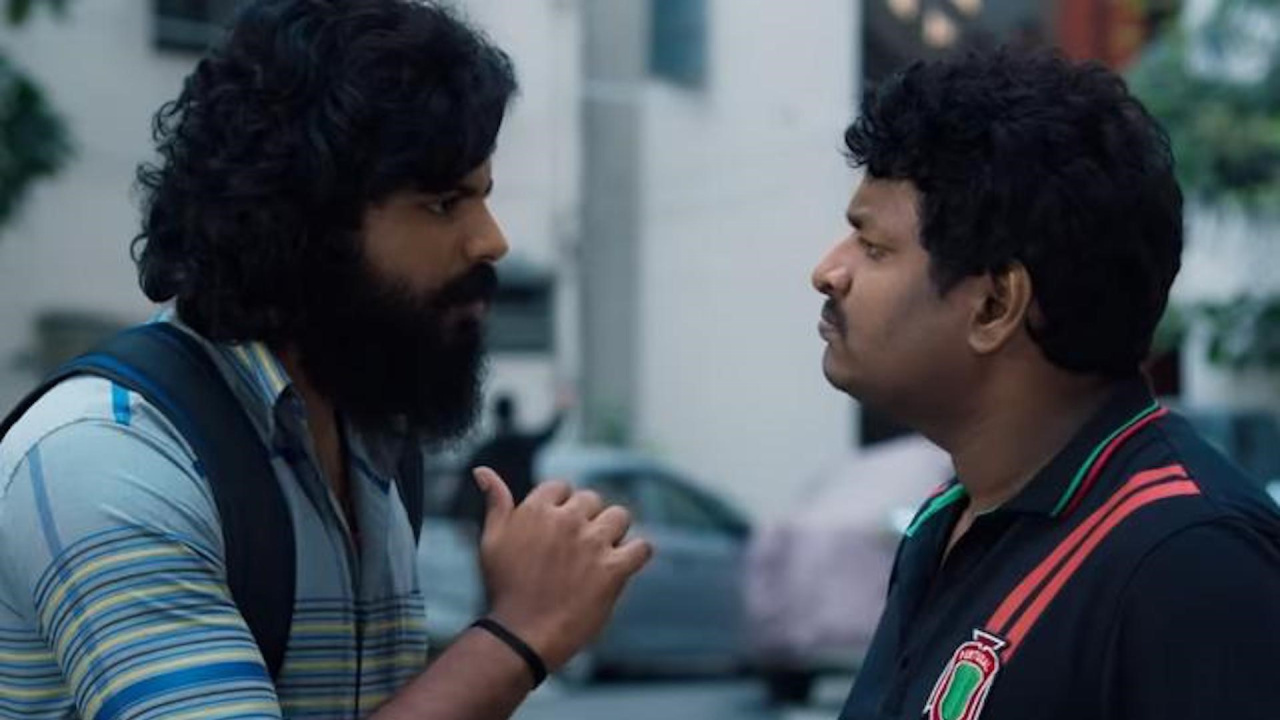
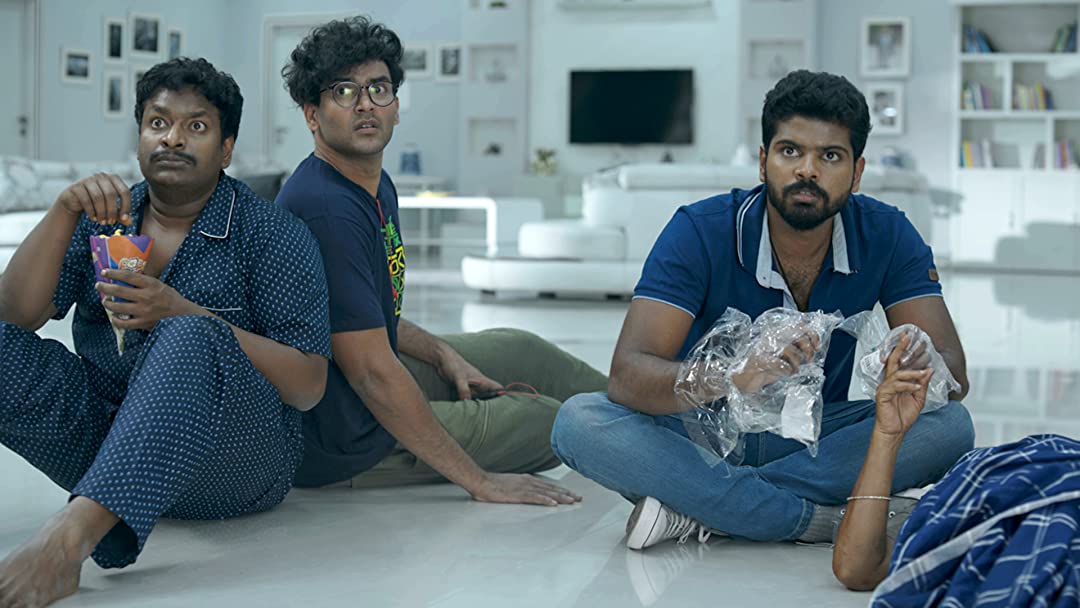
The story begins with Babu, a broke delivery boy trying to stay afloat. He shares a tiny place with two friends, and money is always tight. When a “small idea” comes up, taking extra cash from customers during deliveries, it sounds like a quick fix.
That tiny move becomes a domino push.
One delivery drags Babu into a mess that grows inside a high-rise apartment setting, where missing money, suspicious people, and pressure from both criminals and cops start closing in. The film keeps the focus on survival mode: hiding, lying, re-checking, and making desperate choices because there’s no time to breathe.
It’s not a globe-trotting thriller. It’s a cornered-animal thriller, set in everyday spaces, where every doorbell feels like a threat.
Who should watch it and who might not
This movie works best for viewers who enjoy:
- Fast twists and “wait, what?” turns
- Dark comedy mixed with danger
- A tight setting where even a corridor can feel like a trap
- Stories where one mistake creates five new problems
It may not land as well if you:
- Hate logic jumps and convenience moments
- Prefer a crime film that stays serious all the way through
- Don’t like comedy during tense situations (this one jokes under pressure)

Story and pacing, does Mathu Vadalara keep you hooked?
The screenplay’s biggest strength is how it turns a simple plan into a chain reaction. It’s the kind of story where you can feel the trap forming, even before the characters do. Once the film locks into the apartment-heavy stretch, the stakes tighten because space becomes a limit. You can’t run far, you can’t hide forever, and you can’t control who shows up next.
The suspense often comes from practical problems, not big action set pieces. Think of things like an apartment corridor panic, a door that can’t open at the right time, or a camera footage problem that can ruin everything. Those grounded obstacles make the tension easy to feel.
Comedy is used like a pressure valve. It doesn’t remove danger, it just makes the danger more absurd. When characters try to act normal while clearly not normal, the laughs hit because the fear is real.
The movie generally avoids drag, but it does take a little time to line up its pieces. Once it kicks off, it commits to forward motion.
First half vs second half, where it shines and where it dips
A common reaction to Mathu Vadalara is that the start feels a touch slow, not boring, just more focused on setting up the boys and their money problems. That groundwork matters later, but first-time viewers might wait for the “real problem” to arrive.
When it arrives, the first half becomes the film’s sharpest stretch. The energy rises, the situation gets messy, and the humor feels natural because the characters are improvising under stress.
In the second half, the movie stays entertaining, but the shape changes. Some viewers feel it becomes more predictable after a key reveal, and a few moments ask you to accept convenient timing inside the building. The tension still works, but it’s less surprising than the earlier run.
Even with those dips, the ride stays watchable because the characters don’t suddenly become action heroes. They keep reacting like scared people, which keeps the tone consistent.
Twists, logic, and suspense, smart thriller or messy fun?
Mathu Vadalara plays a clever game with misunderstandings. It uses half-truths, wrong assumptions, and split-second decisions to push the plot forward. Many tense beats come from “one bad choice” moments, where the character picks the option that looks safest, but it’s secretly the worst option.
That approach makes the movie feel smart in staging. Small details matter, and the film often rewards you for paying attention. At the same time, it’s not a perfect logic machine. A few developments feel like they happen because the story needs them to happen, especially once the chaos is fully spinning.
The best mindset is to treat it like messy fun with skill, not a strict puzzle thriller. If you’re okay with that tradeoff, the suspense lands.
Performances and characters, who carries the movie?
The film runs on a tight trio dynamic. These aren’t larger-than-life characters with heroic arcs. They’re regular guys with loud fear, bad plans, and the kind of overconfidence that vanishes the second trouble shows up.
Their motivations stay simple and that’s why they work:
- Babu wants money and a way out.
- His friends want quick fixes and easy wins.
- Everyone wants to avoid consequences once things go wrong.
The acting sells the movie because the panic feels human. The jokes also feel earned because they come from pressure, not from random punchlines.
Sri Simha Koduri as Babu, an easy lead to root for
Sri Simha Koduri makes Babu believable from the start. He doesn’t play him like a “cool” guy. He plays him like a person who’s tired of being broke and suddenly realizes he’s in over his head.
His biggest strength here is reaction. When Babu panics, it looks like real panic, messy thoughts, quick lies, and that blank stare you get when your brain stops working. That stress-comedy mix makes him easy to root for, even when he makes choices you want to scream at.
He also handles the switch from small-time sneaky behavior to full survival mode without feeling fake. You can track the fear growing behind his eyes.
Satya’s comedy as Yesu, the biggest laugh factor
Satya is the film’s loudest laugh engine, and it’s not just because he has funny lines. His timing, expressions, and the way he reacts to danger turn simple moments into comedy.
Yesu’s humor works because it feels like a defense mechanism. When the situation gets too tense, he talks more, moves more, and says the wrong thing at the wrong time. It’s the kind of comedy that makes you think of a friend who jokes when they’re nervous, except here the stakes are much higher.
His buddy chemistry with the group keeps the movie light enough to enjoy, even when the plot turns darker.
Direction, music, and visuals, why the technical craft stands out
For a smaller film, Mathu Vadalara looks confident. Direction, editing, and music work together to keep scenes clean and easy to follow, even when the characters are lying, hiding, and switching stories every minute.
Ritesh Rana’s choices make the apartment setting feel like a puzzle box. You start noticing doors, elevators, corridors, and corners, because the movie trains you to treat the building like part of the plot.
Kaala Bhairava’s background score also does a lot of work. It doesn’t just shout “tension.” It helps scenes bounce between fear and comedy without feeling like two different movies stitched together.
Ritesh Rana’s writing and editing, fast setups with payoffs
The writing is full of setups that pay off later, sometimes in a funny way and sometimes in a tense way. Small objects and quick lines can matter again, which makes the film satisfying for people who like detail.
Editing helps the most during the chaos. Scenes cut at the right time, so jokes don’t overstay, and tense beats don’t deflate. The movie often moves between what the characters know and what they don’t know, which keeps the audience one step ahead, then suddenly not.
That “now you get it, now you don’t” rhythm is a big reason the film still feels rewatchable in 2026.
Background score and cinematography, making chaos feel exciting
The background score adds energy without drowning the scene. It pushes urgency when characters are cornered, then shifts tone quickly when comedy slips in. That balance is hard to pull off, but here it mostly clicks.
Visually, the movie uses the apartment spaces well. Lighting and framing make the building feel both normal and threatening. At times it feels like a maze made of plain, everyday walls, which is exactly what the story needs.
The camera work also helps you track where people are, which matters in a plot filled with moving parts.
Final verdict, is Mathu Vadalara worth watching in 2026?
Yes, Mathu Vadalara is still worth your time in 2026, especially if you want something tight, funny, and twisty without the weight of a long franchise. It’s a strong example of how a small-scale story can feel big when the writing keeps adding pressure.
It’s not flawless. The opening can feel a bit patient, and the later stretch asks you to forgive a few logic conveniences. But the film’s personality carries it through.
What works
- Dark humor that fits the situation
- A strong buddy dynamic that fuels both laughs and stress
- A clever, escalating plot that turns small choices into big trouble
- Engaging music and clean staging inside the apartment setting
What may not
- A slightly slow setup before the main incident hits
- A few moments where logic bends to keep momentum
- Some predictability after a key reveal, depending on your thriller tolerance
Rewatch value is high because the film is detail-heavy, and the jokes land differently once you know the shape of the story. Ideal setting: a weekend watch with friends, when you want laughs but still want a plot that keeps moving.
Best for fans of crime-comedy thrillers and twisty, small-scale stories where chaos spreads room by room.
Conclusion
Mathu Vadalara holds up because it blends comedy and suspense without treating either like a side dish. The performances, especially from Sri Simha Koduri and Satya, make the panic feel real and the jokes feel earned. The movie isn’t perfect, the start takes a moment to warm up, and a few logic gaps show up later, but the entertainment value stays strong. If you press play, try to go in cold and let the story surprise you. Share your favorite non-spoiler moment after watching, and say if you guessed the turn before the film tipped its hand.