

Searching for a “Mana Shankara Varaprasad Garu review” can be confusing at first, because the name sounds like a real spiritual teacher. It’s not. Mana Shankara Vara Prasad Garu is a fictional character from the Telugu action-comedy film Mana Shankara Vara Prasad Garu, which was released in theaters on January 12, 2026.
This is a spoiler-light, practical review written for people who want a clear answer before booking tickets. You’ll get the story setup in plain words, a quick read on performances, how the comedy and action blend, what’s working for crowds, and what might bother you if you like tight writing.
By the end, you’ll know whether it’s a good theater watch for your group, or better saved for a quieter night at home.
What the movie is about, in plain words (no big spoilers)
At its heart, Mana Shankara Vara Prasad Garu is a father trying to get his family back, using a plan that’s equal parts sweet and silly.
Shankara Vara Prasad (Chiranjeevi) is a national security officer from a modest background. He marries Sasirekha (Nayanthara), a wealthy woman with a powerful father, G.V.R. (Sachin Khedekar). The marriage doesn’t just face normal couple problems; it turns into a pride battle between families. That pressure leads to separation, and the kids get pulled into the middle.
Years later, Prasad’s main goal is simple: be close to his children again, and fix what broke. But he can’t just walk into their lives as if nothing happened. So he takes a route that feels like a classic Telugu commercial setu. He becomes a PT teacher at their boarding school to stay near them, win their trust, and slowly rebuild the bridge.
The first stretch runs on school comedy, awkward lies, and “dad doing too much” moments. Later, outside threats and old enemies push the film into action mode again. The tone keeps swinging between laughs, family emotion, and hero-style set pieces, with a Sankranthi-friendly, everyone-can-watch vibe.
For basic film details like cast, crew, and release info, the Wikipedia page for the film is a decent, quick reference.
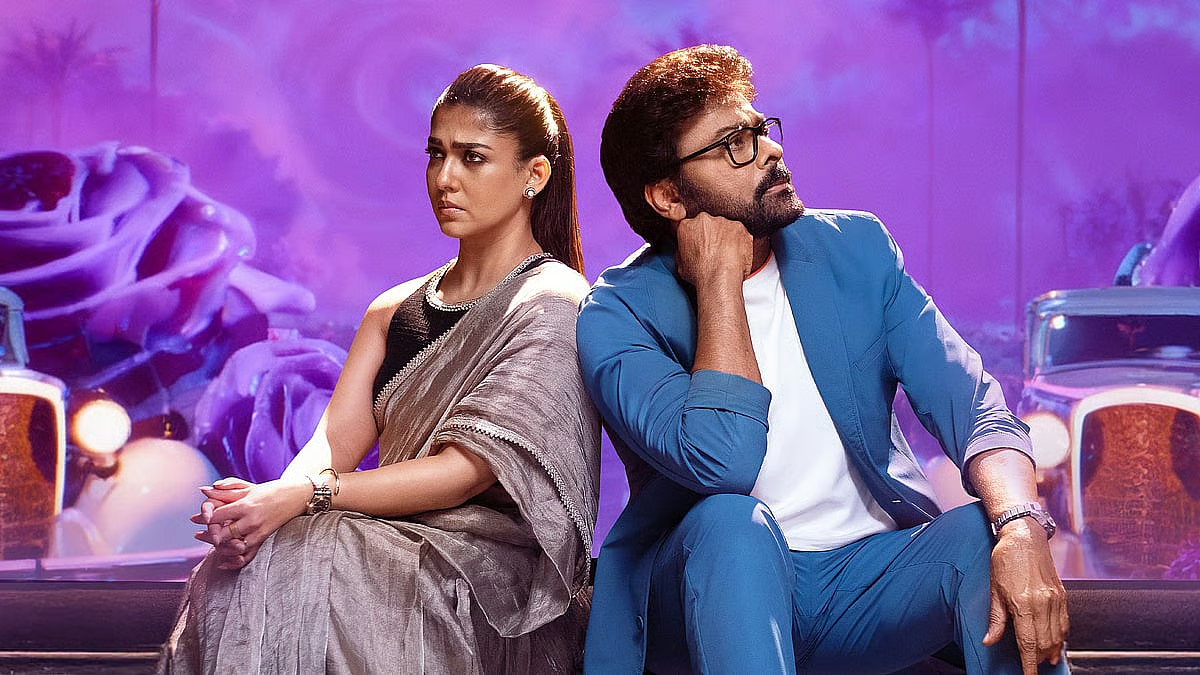
The main characters you should know before watching
You don’t need a character chart to follow the film, but it helps to know what each person is “doing” in the story.
- Shankara Vara Prasad (Chiranjeevi): The tough officer with soft dad energy, he drives both the comedy and the emotional track.
- Sasirekha (Nayanthara): Not written as a simple “love interest,” she’s also a parent dealing with family pressure and public image.
- G.V.R. (Sachin Khedekar): The controlling father figure, he creates the central conflict and keeps the marriage track tense.
- The kids: They’re not just props; many scenes lean on their reactions and warmth to sell the family angle.
- Prasad’s team (Jwaala, Narayana, Mustafa): The side unit that brings banter, chaos, and support when the plot needs momentum.
If you like films where the hero’s “found family” team gets mini-comedy beats, you’ll recognize the pattern quickly.
My review: what works best, and what feels weak
This movie mostly knows what it wants to be. It’s a star-driven festival entertainer, built to make families laugh, give fans some hero highs, and send people home in a good mood.
What works best is the film’s comfort factor. Chiranjeevi’s presence makes even basic scenes feel watchable. The school portions bring clean comedy that’s meant for group viewing, with jokes that don’t require you to track complex plot threads. The kids’ scenes also land well, because the film lets them be playful instead of overly dramatic.
There’s also a nostalgia layer, with throwback-style beats and a “proper Telugu commercial movie” rhythm. If you grew up on those, the film feels like a familiar meal, not a surprise dish.
Now the weak spots. The marriage and family conflict can feel old-fashioned, not in the sense of “family values,” but in how certain arguments are written. Some emotions feel like they come from a template, and the drama sometimes moves in predictable steps. A few comedy bits go broad and loud, which will hit for some people and miss for others.
The second half is where patience can be tested. When the plot leans into repeated patterns, you may feel the runtime. Also, the action portions aren’t trying to be gritty or realistic; they’re more about hero flavor and payoff.
If you want to compare takes, The Hindu’s review captures the “plays to the gallery” approach, while still pointing out what kind of filmmaking this is.
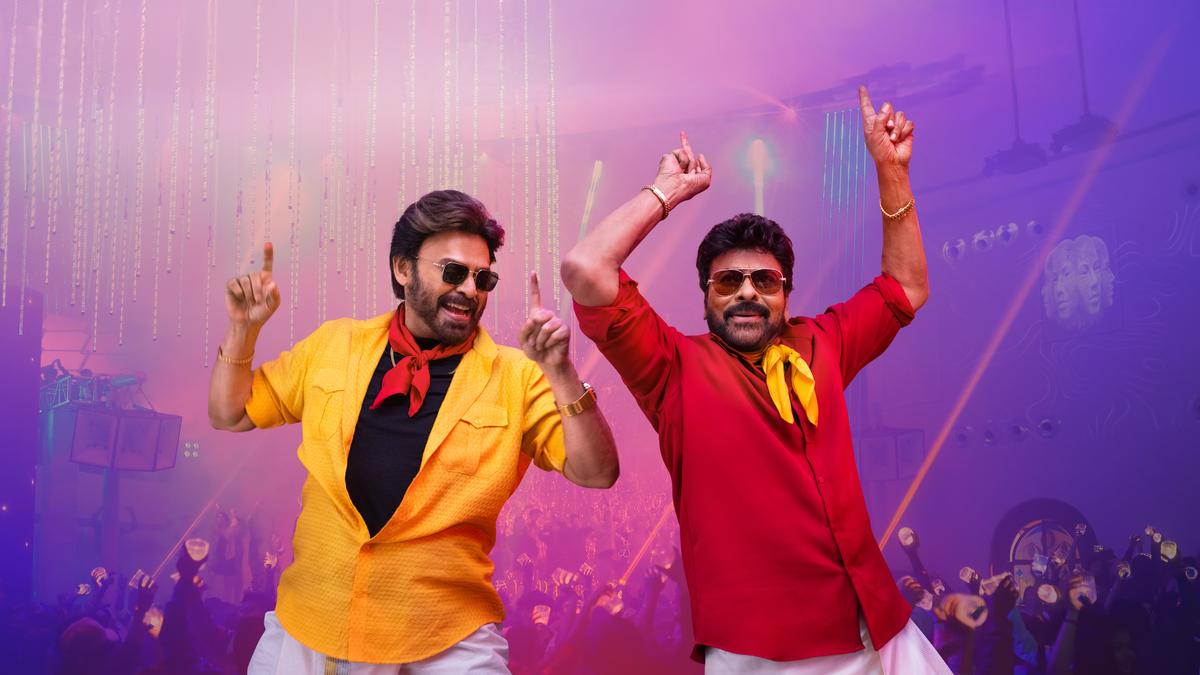
Chiranjeevi’s performance and why fans are enjoying it
Chiranjeevi isn’t playing a distant, stone-faced action lead here. He’s built as a lovable mess at times, a proud father at others, and a hero when the story asks for it.
His comedy timing is the main engine. Even when a joke is simple on paper, his reactions, pauses, and physical comedy lift it. The film also uses his “warm authority” well, the kind where he can scold, charm, and crack a joke in the same breath.
Fans are enjoying the fact that he looks relaxed. It doesn’t feel like he’s forcing a younger image in every frame. He’s allowed to be a middle-aged dad with swagger, and that’s exactly why the role connects.
Word-of-mouth around the film has leaned toward “sweet, fun family watch,” and that tracks with what’s on screen. If you’re going mainly for Chiranjeevi, the film gives you plenty of him, in many shades.
Comedy, action, and family emotion, does the mix feel smooth?
The movie is like a thali plate, you get a bit of everything. But not every bite blends perfectly.
The school disguise setup creates the cleanest comedy run because it’s built on a simple idea. A father is hiding in plain sight, trying too hard, getting caught, and then escaping again. That format naturally creates repeatable laughs, and the film uses it often.
When the story shifts toward bigger conflict and action, the tone changes fast. Some viewers will enjoy that switch because it keeps things moving. Others might feel it’s two different movies stitched together, a school comedy in one hand, and an action track in the other.
The emotional track is present but light. It aims for warmth more than depth. Think of it like a family album, not a therapy session. You’ll get enough feeling to care, but the film doesn’t sit in pain for long.
If you want a quick sense of the film’s “logic not invited” attitude, India Today’s review frames that approach clearly.

Music, runtime, and overall entertainment value
The runtime is about 2 hours and 44 minutes, and you will feel it depending on your tolerance for extended comedy stretches and repeated setups.
The music is composed by Bheems Ceciroleo, and the soundtrack mostly supports the film’s fun tone. The background score pushes scenes toward humor and hero uplift, rather than tension and grit. Songs arrive like expected festival breaks, meant to refresh the pace and keep the vibe upbeat.
In plain “energy level” terms, the film starts with setup and family context, then gets a strong middle with school comedy, then slows a bit when it repeats beats, before moving into action and wrap-up mode. If you’re watching in a packed theater, the laughter and fan reactions can make the long runtime feel shorter. If you’re watching alone, you might notice the padding more.
For another audience-friendly perspective, 123Telugu’s review and rating leans into the “fun-filled family entertainer” angle while still acknowledging where the film dips.
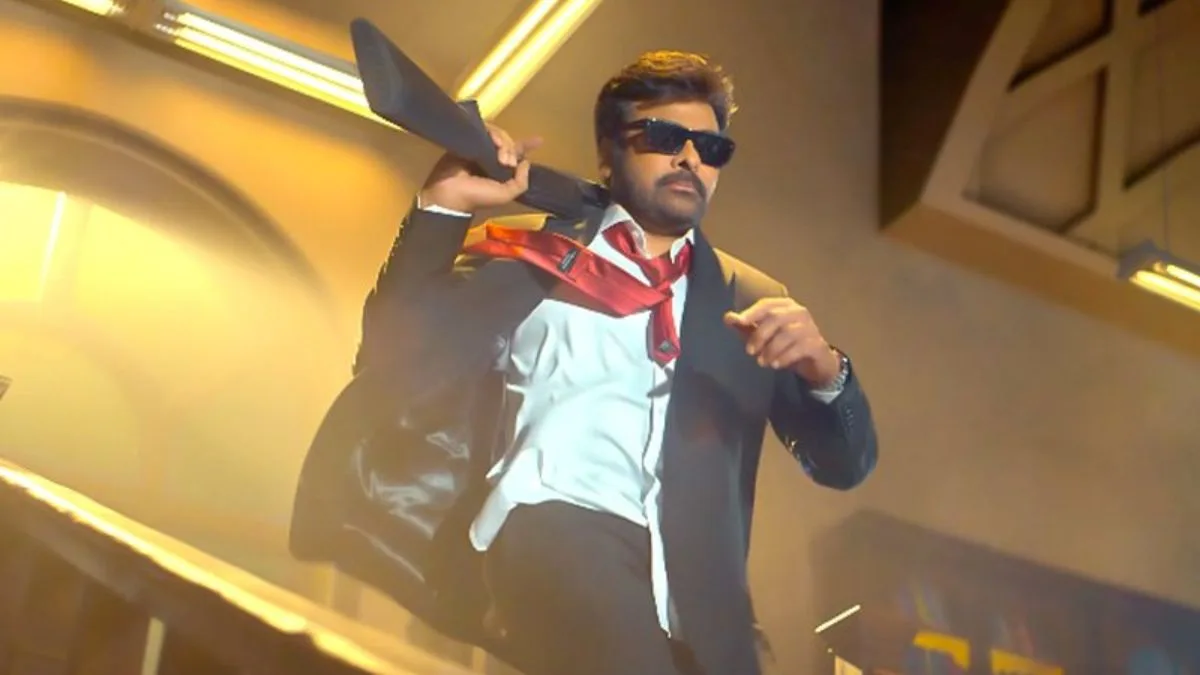
Public response and box office: What the early numbers say
As of late January 2026, the film’s early run looks strong, even with mixed critic reactions. That split is common for festival entertainers: critics focus on writing and freshness, while audiences focus on laughs, star moments, and family comfort.
Based on the latest available trade tracking (as of January 27, 2026), the film is reported at ₹199.35 crore net in India after 16 days, with around ₹235 to ₹236 crore gross in India, and a worldwide gross of around ₹278.5 crore (including about ₹42 crore overseas). There are also higher producer claims reported elsewhere, and those often differ from trade-tracked totals.
In North America, it has crossed $4.5 million in the same period, which signals strong overseas pull for a star-led Sankranthi release.
What does that usually mean for a viewer? A movie doesn’t hold weekday numbers like this unless it’s pleasing enough people to keep showtimes alive. It points to repeat viewing, family groups, and that “let’s all go together” effect.
For a running snapshot from a tracker page, Sacnilk’s box office listing is one place people check (numbers can update daily).
What critics are saying about Mana Shankara Varaprasad Garu
Critic responses have been mixed on Mana Shankara Varaprasad Garu, but the pattern is consistent.
Many reviews call it fun and festive, with Chiranjeevi’s playful energy doing heavy lifting. At the same time, some criticism targets the marriage conflict as dated, and the second half as softer or repetitive. You’ll see a lot of “good time, not great writing” reactions, often landing around the 2.5 to 3.25 out of 5 range, depending on the outlet.
Audience talk, on the other hand, is more emotional and direct. People bring up clean humor, kids’ scenes, nostalgia, and “whistle moments.” For many fans, it’s not about whether the plot is new; it’s about whether they felt happy for two and a half hours.
That gap isn’t a red flag by itself. It’s more like a label on the box: this is made for crowds first, critics second.

Popularity snapshot in January 2026
The movie’s January run has a few clear reasons behind it:
Chiranjeevi’s star power is a big pull, especially for family groups. The humor is mostly designed to be safe for mixed-age audiences. Sankranthi season also brings a built-in habit of going to theaters with relatives, which lifts crowd-pleasers.
Overseas, the Telugu audience turnout is doing real work, with North America numbers showing strong traction. In short, it’s winning on familiarity and comfort, not on surprise.
If you’re tracking the broader narrative around its worldwide totals, Koimoi’s worldwide box office report is part of the conversation, though trade figures and producer claims can vary across sources.
Should you watch it, and who will like it most?
Mana Shankara Varaprasad Garu is easiest to recommend when you match it to the right audience.
If you’re going with family, it’s a solid pick. The humor is mostly clean, the father-kid thread keeps it warm, and the action stays in mainstream commercial territory. Chiranjeevi fans will likely have a good time because the film keeps him present and playful, not stuck in a single tone.
It’s also a good choice if you want something light, where you can laugh without tracking ten plot twists. Think of it like a weekend meal that’s a bit heavy but satisfying.
You might want to skip it if you strongly dislike slapstick, or if you want realistic relationship writing with modern sensitivity. Also, if you’re tired of predictable family-drama beats, you’ll spot where the film is headed long before it arrives.
Theater vs streaming comes down to one thing: do you want the group effect? Many jokes and fan moments work better when you’re surrounded by reactions.
Quick decision guide: watch in theaters, or wait?
Watch it in theaters if you want loud laughs, fan-energy scenes, and a festive crowd that does half the work for the movie.
Wait for streaming if you prefer tight scripts, shorter runtimes, and drama that feels less old-school. You’ll still get the core story, just without the “packed hall” boost.
Conclusion
This Mana Shankara Varaprasad Garu review comes down to a simple truth: it’s a crowd-aimed Sankranthi entertainer that banks on Chiranjeevi’s charm, clean comedy, and family warmth, even when the writing feels familiar. The name includes “Garu,” but remember, it’s a movie character and film title, not a real-life guru or public figure.
If you like festival-style Telugu commercial films, it’s a good theater pick. If you watch it, share what worked for you most: the comedy bits, the action blocks, the family scenes, or the fan-service moments.