
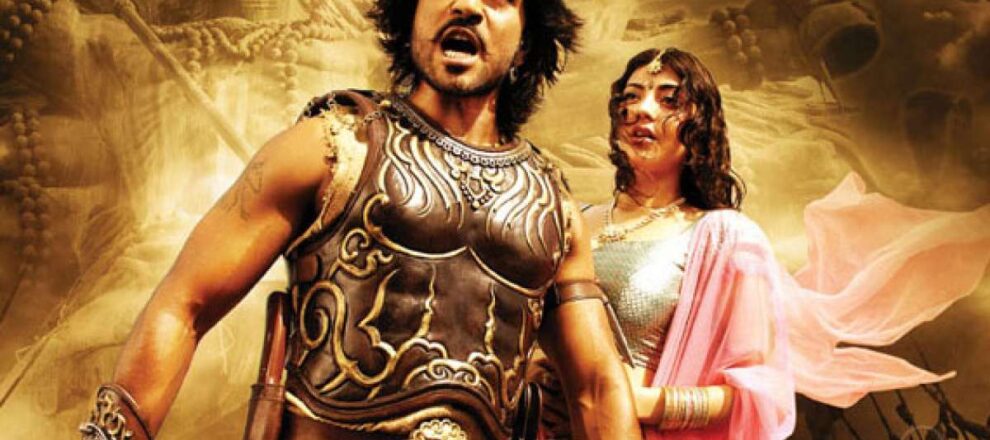
Why does Magadheera movie review content keep popping up, even years after its release? Part of it is simple. This film sits at the meeting point of star power (Ram Charan), grand romance (Kajal Aggarwal), and S. S. Rajamouli’s knack for making action feel mythic.
If you’re curious but don’t want a scene-by-scene breakdown, this is a spoiler-light take. It covers the story setup, performances, action, music, visuals, what works, what doesn’t, and who will enjoy it most in 2026.
Magadheera movie review in one minute (what it is, and why it stands out)
Magadheera is a 2009 Telugu action romance with reincarnation at its core, directed by S. S. Rajamouli. The film runs on two tracks: a modern-day storyline and a sweeping period timeline set around 1609. The fun is in how the present keeps tugging the past to the surface.
Cast basics (and who plays who):
- Ram Charan as Harsha and Kala Bhairava
- Kajal Aggarwal as Indu and Princess Mitravinda
- Dev Gill as the main villain
- Srihari in a key supporting role that anchors much of the emotion and duty
Quick verdict: it’s big, emotional, and action-heavy, and it’s at its best once the period story takes over.
Story setup without spoilers: reincarnation, two timelines, one love story
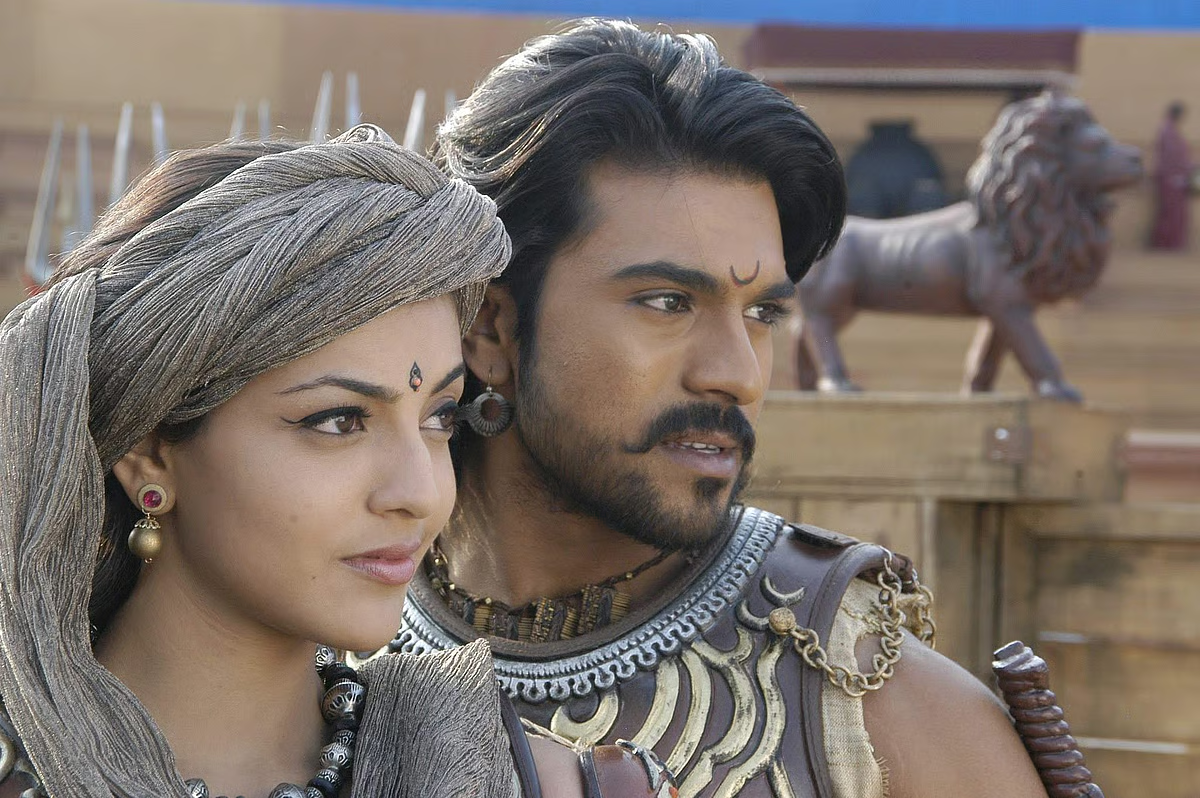
Harsha is a modern guy with a strong instinct he can’t explain. After meeting Indu, those feelings sharpen into flashes of another life, like memory fragments breaking through a locked door.
That’s the hook. The romance is the spark, and the reincarnation thread is the fuse. As Harsha tries to understand what’s happening, the movie begins to pull you into an older world of kingdoms, betrayal, and a love story that didn’t get a clean ending the first time.
The story isn’t asking you to solve a puzzle. It’s asking you to feel the pull of fate, then watch how far people will go when love and honor collide.
The tone and genre mix: romance, revenge, fantasy, and larger-than-life action
Magadheera doesn’t play like a grounded action film. It wants the emotions loud and the action louder.
The modern portions bring lighter moments, romance beats, and a sense of mystery. The period portions shift into epic mode: sharper stakes, bigger crowd scenes, and a more serious drive. Some moments are intentionally over the top, like a live-action folktale where the hero is allowed to be almost superhuman.
If you can accept that heightened style, the movie rewards you with spectacle and sincerity. If you need strict realism, you’ll feel the strain.
What works best: performances, action scenes, and the epic period portions
The movie’s biggest strength is momentum. Once the past timeline becomes the engine, everything tightens: the stakes get clearer, the emotions land harder, and the action starts to feel like the main language of the film.

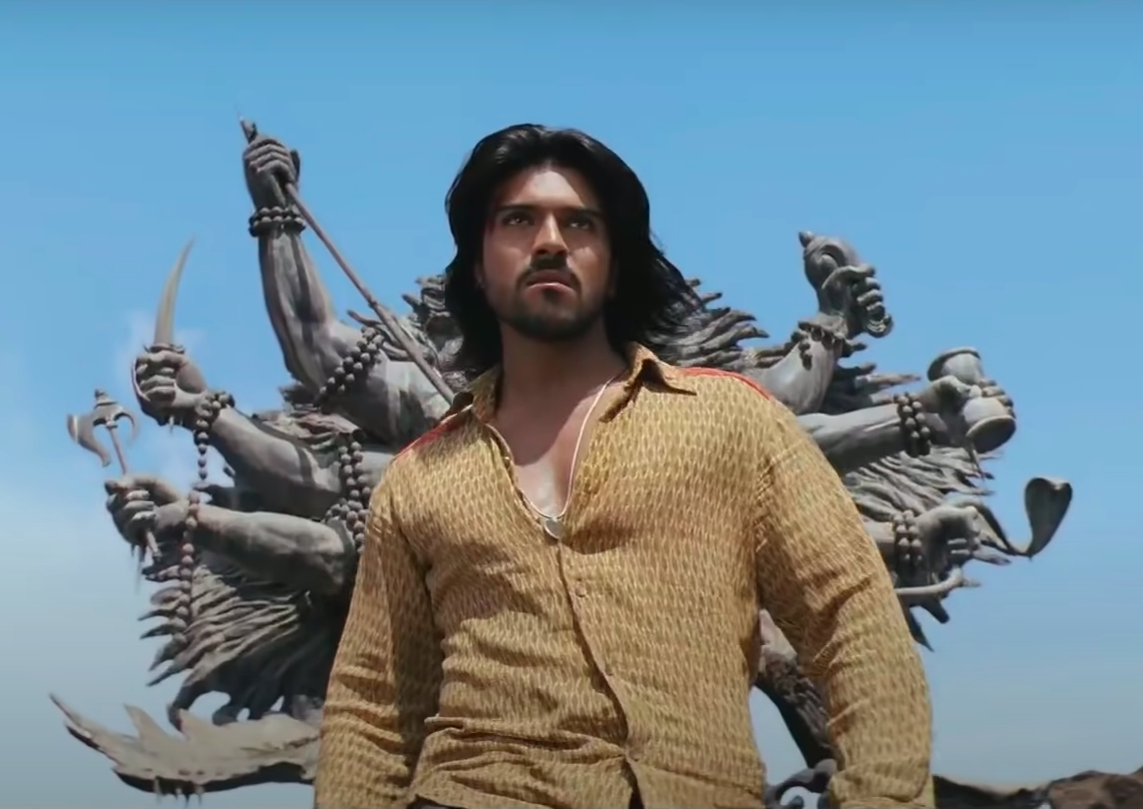
Ram Charan’s dual role and screen presence
Ram Charan has to sell two different energies. As Harsha, he’s reactive, confused, and pulled forward by feelings he doesn’t fully understand. As Kala Bhairava, he’s direct, focused, and driven by loyalty and duty.
The period role is where his screen presence clicks hardest. He moves like someone who belongs in large formations and battlefield choreography. Even when the action gets exaggerated, he plays it straight, and that commitment is what keeps the fantasy tone from turning into parody.
This also explains why the film became such a major career moment. It doesn’t just show him as a hero; it frames him as a legend.
Kajal Aggarwal, Srihari, and the supporting cast
Kajal Aggarwal brings a clean emotional line to both versions of her character. She’s not written as an action driver, but she matters to the plot in a way that feels central rather than decorative. In the period portions, her presence reads more regal and grounded, which helps the “epic romance” angle feel earned.
Srihari is a highlight. He gives the film weight, like a stern compass pointing toward duty when everyone else is swept up in obsession and revenge. His scenes often feel like the movie reminding itself, and you, what’s at stake beyond romance.
Dev Gill’s villainy is fueled by fixation and ego. He plays it broad, but the film wants that. This is a story where emotions are drawn in bold lines.
Action and set pieces people still talk about
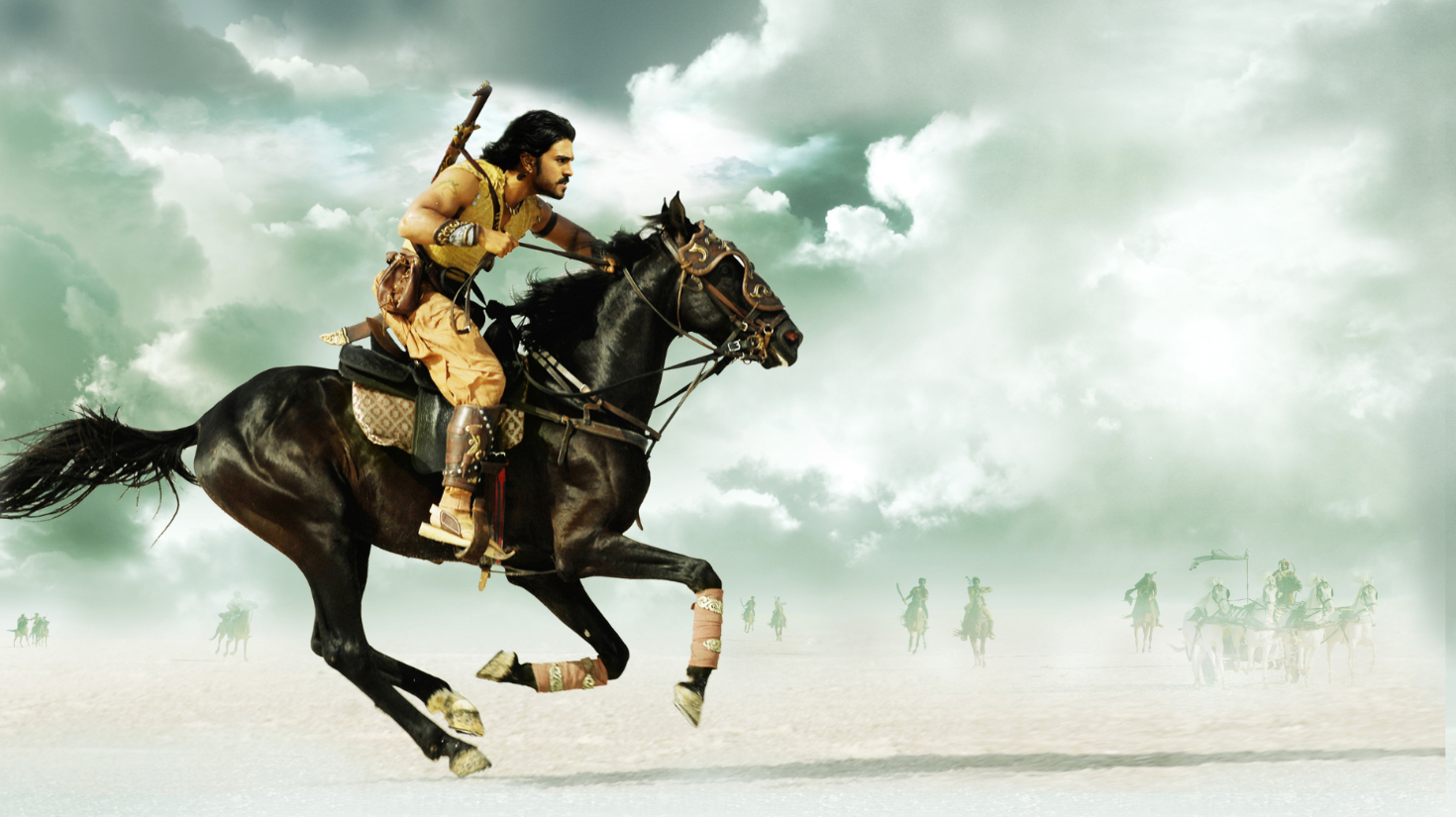
This is the main reason Magadheera stayed in pop culture. The action is staged to impress, not to whisper.
Expect:
- Large-scale battles with waves of soldiers
- Sword fights are built around clean, readable movement
- Hero moments that are designed like myth, not like a news report
There’s a famous stretch where the warrior faces overwhelming odds, and it’s still the kind of sequence fans bring up first. Even if you’ve seen bigger budgets since, the clarity of the choreography and the sheer intent behind it make it memorable.
Music, cinematography, and visual effects for its time
M. M. Keeravani’s music does a lot of lifting. The songs bring that classic Telugu cinema sweep, and the background score is often the glue that makes the reincarnation feeling believable. When the film wants you to feel destiny approaching, the score tells you before the script does.
Visually, the period sets, costumes, and color palette sell scale. The visual effects hold up best when you view them through the right lens: impressive for 2009 Telugu cinema, sometimes obviously dated for a 2026 first-time watch. Still, the ambition shows in every big frame, and that ambition is part of the charm.
What does not work: pacing issues, plot conveniences, and unrealistic moments
For all its highs, Magadheera isn’t perfectly smooth. The rough edges are real, and they tend to show up before the film hits its strongest stretch.
A slow, sometimes confusing first stretch
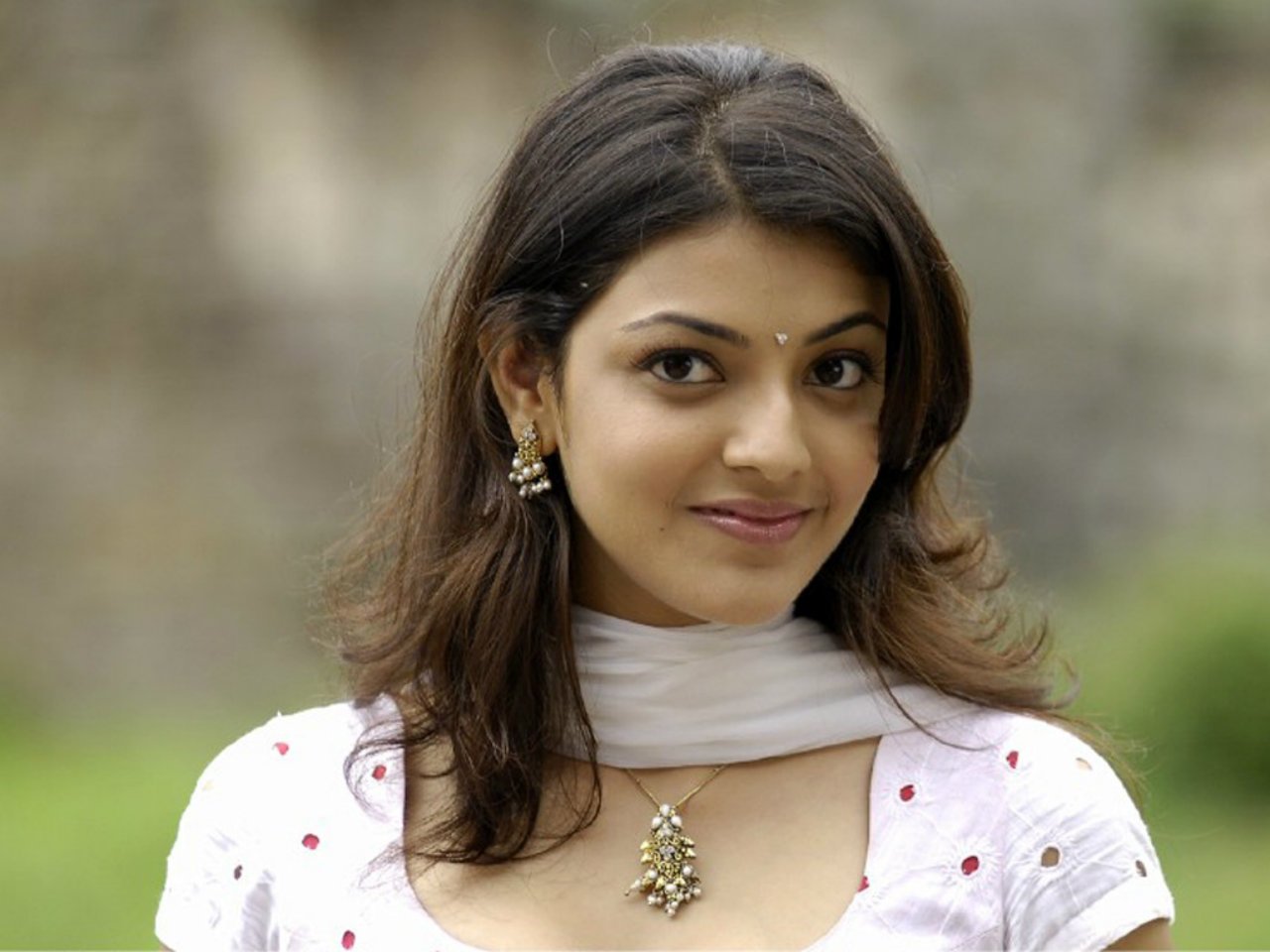
The early portion takes time to settle. It introduces characters, builds the romance, and teases the mystery. If you’re waiting for the epic period drama, you may feel impatient during the setup.
It’s not that the modern-day track is pointless. It’s that the movie’s true voice is the period story, and it takes a while to fully get there. Once it does, the pacing usually improves.
Convenient writing and physics that can feel silly
Some turns rely on coincidence, and a few character decisions exist mainly to keep the plot moving. That’s common in older commercial entertainers, but it can stand out more now.
Also, the action physics are sometimes cartoonish. Vehicles, leaps, and impacts can look like they belong to a tall tale, not a grounded action drama. Your enjoyment depends on your tolerance for that style. If you can treat it like a legend being performed, you’ll roll with it.
Should you watch Magadheera today? Best for which audience, and final rating
Yes, if you want a big emotional action romance with a grand period arc. It’s often listed at about 2 hours and 47 minutes, so it’s a commitment. It plays best on a weekend with good sound, because the score and battle sequences are a huge part of the experience.
If you want a quick refresher on the film’s release details and background, the Magadheera overview on Wikipedia is a handy reference.
My spoiler-free rating: 4 out of 5. The early pacing bumps keep it from a higher score, but the period portions are still a knockout.
If you like Baahubali, RRR, or big Telugu action epics, you will likely enjoy this.
If you’ve seen Rajamouli’s later films, you’ll recognize familiar instincts here: clear hero framing, emotions turned up high, and action built around spectacle. Magadheera feels like an earlier blueprint for that style, with a reincarnation romance at the center.
The scale isn’t the same as his biggest later work, but the storytelling DNA is easy to spot.

Who might skip it (and what to try instead)
You might want to skip it if you:
- dislike long runtimes
- don’t enjoy reincarnation plots
- get pulled out of movies by byover-the-topp action logic
In that case, you’ll probably have more fun with newer action dramas or tighter thrillers where realism and pacing come first.
Conclusion
Magadheera remains a landmark Telugu blockbuster because it commits to its emotions and goes all-in on its period epic. The first stretch can feel slow, and some moments ask you to ignore physics, but the payoff is a second half packed with unforgettable action and a love story shaped like fate.
If you watch it, share your take: did you prefer the modern timeline or the period storyline, and which scene stayed in your head afterward?