

A retired man watering plants shouldn’t feel like the start of a storm, but that’s the kind of setup Jailer (2023) enjoys. This spoiler-light Jailer 2023 movie review sets expectations for a Tamil action comedy (masala style) directed by Nelson Dilipkumar and produced by Sun Pictures, where mood swings are part of the point.
Rajinikanth returns in a larger-than-life role as Muthu “Tiger” Pandian, a retired cop and former prison warden. He’s calm at home, sharp in a crisis, and built for those pause-and-cheer moments the movie keeps serving.
As of February 2026, the film is available to stream on Amazon Prime Video (it hit streaming on September 7, 2023). This review covers clear pros and cons, who it’s for, and what kind of mood it fits. Short, plain-English subtitles appear under headings for quick scanning.
What the movie is about, and what kind of ride it offers (spoiler light)
Subtitle: A family setup that turns into payback.
Muthu Pandian lives a quiet, routine life with his family. It’s the kind of household where small jokes land, elders hold the center, and a grandson’s chatter can soften any room. That calm doesn’t last.
When a dangerous crime boss targets Muthu’s son, Arjun (a police officer), the story kicks into a bigger gear. Muthu responds in a way that feels both personal and strategic. Instead of going it alone in a straight line, he pulls in an unusual network of allies, men with their own skills and histories who slide into the plot like cards being dealt at the right time.
The ride is not a simple revenge track, though revenge is a strong current. It’s also a movie about reputation, old connections, and what violence does to a family’s sense of safety. It wants viewers to laugh, then tense up, then laugh again, sometimes in the same stretch of scenes.
For planning the watch, it’s long. The runtime is about 2 hoursand 48 minutes, so it plays best when viewers aren’t rushing. It’s the kind of movie that asks for a full evening and rewards attention with big beats rather than tiny details.
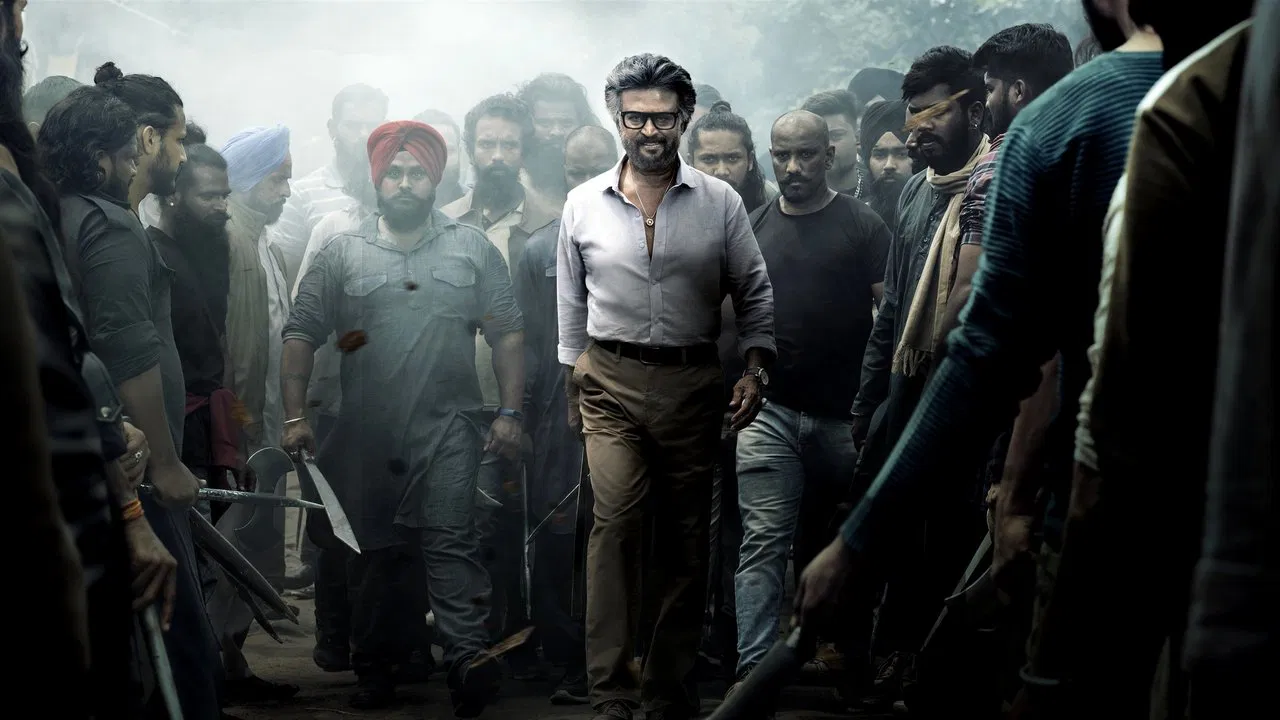
The tone in one sentence: funny, brutal, and proud of being a masala film
Subtitle: Jokes and shock sit side by side.
Jailer is confident about its tone switches. A warm family moment can cut straight to a harsh act of violence, then bounce into a comic reaction shot. That whiplash is not accidental. It’s a masala choice, and it’s part of the film’s personality.
Some viewers enjoy that self-aware swagger. The film often signals, “Yes, this is a star vehicle,” then doubles down with a punchline or a slow-motion entrance. Others may feel the shifts are too sharp, especially if they expect a cleaner genre lane like a straight crime thriller.
The violence is strong. The movie doesn’t linger for the sake of misery, but it doesn’t play coy either. Anyone sensitive to blood or brutal action should keep that in mind before pressing play.
Pacing and structure: what works, and where it can feel long
Subtitle: A slow build, then a parade of payoffs.
The first half spends time setting the family texture and the stakes around Arjun. It also plants bits of humor and introduces side characters in a way that feels casual, even when the danger is rising. That groundwork matters because the movie later depends on emotional buy-in, not just body counts.
After intermission, it leans harder into payoffs: bigger confrontations, louder music cues, and more “this is the moment” staging. For fans of Indian blockbuster storytelling, that’s the dessert course. For viewers who want tight plotting and quick turns, the long runtime can start to show.
It’s not that Jailer runs out of events. It’s that it repeats its rhythm: tension, punchline, spike of violence, hero framing, then reset. If that rhythm clicks, the length feels like a feature. If it doesn’t, the back half can feel like it’s asking for patience.
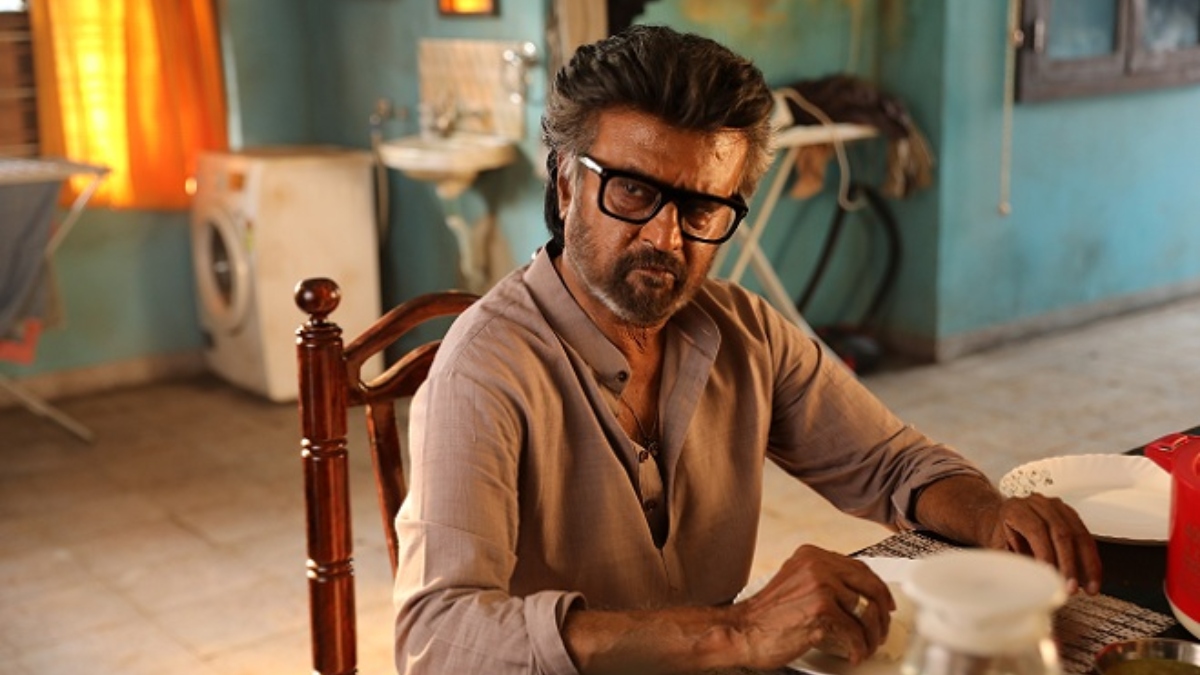
Performances and characters: why Rajinikanth is the main event
Subtitle: Everything bends toward the Superstar.
Jailer is built around Rajinikanth’s screen presence, and it doesn’t pretend otherwise. At 72 during release, he carries scenes with a relaxed confidence that younger action stars sometimes fake with noise. He can stand still and still feel like the center of the frame.
The film understands what his fans want: the walk-in moments, the half-smile before a fight, the sense that he’s already seen the worst and decided it won’t win. Even when the story gets wild, his calm control makes the chaos feel organized.
The supporting cast does strong work with roles that often exist for momentum. Ramya Krishnan grounds the home scenes with a steady, lived-in energy. Vasanth Ravi (as Arjun) brings sincerity that helps the father-son stakes feel real, even when the plot turns heightened. Vinayakan, as Varman, pushes the villain role with unpredictability, which matters in a movie where the hero’s power is never really in doubt.
Tamannaah Bhatia, Sunil, Mirnaa Menon, Yogi Babu, and the grandson character (Rithvik Jothi Raj) fill out the color palette. Not everyone gets deep writing, but most leave an impression, which is often the job in this genre.
For a sharper outside take on how the film balances star worship with grim action, Roger Ebert’s Jailer review describes it as a grisly and comedic action thriller that switches emotional gears with confidence.
Rajinikanth as Muthu “Tiger” Pandian: style, swagger, and a protective father angle
Subtitle: Soft at home, steel in the field.
Muthu is fun because he’s not played as ffrantically He’s written like a man who’s done the job, retired from it, and still knows where every weak spot sits. The performance sells that idea with small choices: a patient pause, a look that warns without shouting, a sudden snap into intensity when the line gets crossed.
The “protective father” angle is what keeps the movie from feeling like a highlight reel only. Muthu isn’t fighting for a vague sense of justice. He’s responding to a threat that has entered his home. That makes even the over-the-top moments feel tied to something human.
When the movie wants to get big, it uses him like an anchor. His presence holds scenes together even when the plotting stretches logic. Viewers who come for Rajinikanth usually leave satisfied because the film keeps handing him the wheel.
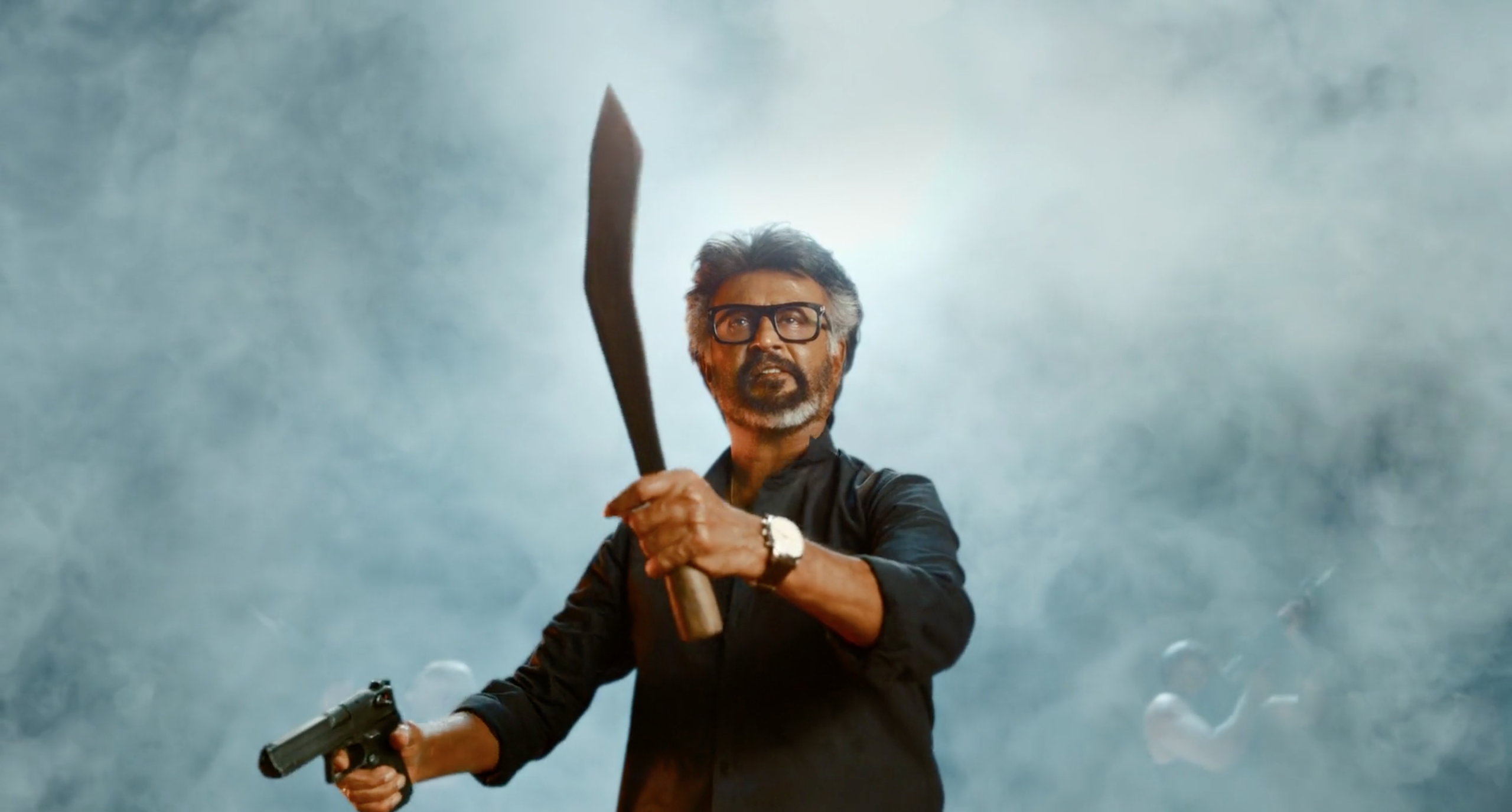
Villain and supporting squad: fun energy, but not everyone gets depth
Subtitle: Big personalities, quick sketches.
Vinayakan Varman brings real menace, partly because he doesn’t play like a neat mastermind. He feels volatile, and that unpredictability adds edge. The film also enjoys giving Muthu a “team,” allies with their own flair, who widen the world and keep the middle sections from turning into a single-man march.
Still, some characters are designed for moments more than arcs. They show up, do their bit, land a joke or a stylish action beat, and move aside. For fans of masala films, that can be perfectly fine. The movie is selling momentum and mood, not a deep ensemble drama where every person gets equal shading.
The tradeoff is emotional weight. When a side character is meant to matter later, the film sometimes relies on the audience accepting the vibe rather than building a full backstory. That approach works best when the viewer is already tuned to this style.
Action, music, and craft: the parts viewers will remember after the credits
Subtitle: Set pieces, punchlines, and a heavy score.
Jailer’s action is staged for impact and clarity, with hero shots that pause just long enough to let the crowd-film energy land, even at home. The fights and confrontations aren’t small. They’re framed like events. When the movie wants a moment to feel iconic, it slows down, lines up the composition, and lets the score do extra lifting.
The music and background score are a major reason scenes stick. Anirudh Ravichander’s soundtrack pushes the film’s shifts, turning simple entrances into mini-spectacles and making payoffs feel louder than the raw plot might suggest. Even viewers who don’t catch every lyric can feel what the film is signaling: this is comedy now, this is danger now, this is hero worship now.
Visually, the film likes contrast. Cozy home lighting makes the family scenes feel safe, then harsher tones and night settings sharpen the threat once the story goes hunting. It’s not a subtle movie, but it is deliberate about how it wants viewers to feel in each stretch.

Action and violence level: exciting set pieces, not a gentle watch
Subtitle: Crowd-pleasing action with real blood.
This is not a gentle action comedy. Jailer includes heavy violence and bloody moments, even when jokes are happening nearby. That contrast can be jarring, but it’s also part of the masala approach: comedy doesn’t pause the danger, it sits next to it.
For viewers who enjoy high-impact set pieces, the film delivers. It treats confrontations like punctuation marks, each one meant to top the last with a fresh location, a new tactic, or a more dramatic entrance. The movie also understands escalation. It keeps raising the emotional and physical stakes so the back half feels like a payoff, not just more of the same.
For viewers sensitive to violence, this is the clearest reason to skip. The film’s light moments don’t soften the harsh ones. They simply coexist.
Comedy and emotional beats: family scenes that balance the chaos
Subtitle: Small warmth keeps the movie watchable.
The comedy often comes from reactions and timing, not long stand-up style scenes. Yogi Babu and other side characters help keep the mood buoyant in the gaps between action spikes. The humor isn’t always consistent, but when it lands, it makes the long runtime feel easier.
The emotional glue is the family. Scenes at home give Muthu something to protect beyond ego. The grandson’s presence is especially important. Those scenes add a sweetness that makes the later brutality feel like a threat to something real, not just a plot device.
That balance is why Jailer plays more like a crowd entertainer than a straight thriller. It wants viewers to feel a mix of comfort and adrenaline, like sitting through a loud story told by someone who loves punchlines as much as payback.
Reception and final verdict: who should watch Jailer, and who should pass
Subtitle: A fan-forward movie with clear tradeoffs.
Jailer landed as a major Rajinikanth crowd film in 2023, and it’s stayed popular on streaming. Critics and audiences didn’t always agree on the script’s discipline, but many agreed on the central appeal: Rajinikanth’s charisma, the swagger of the presentation, and the sheer commitment to big moments.
In the US press, the film’s tonal mix became part of the conversation. Some reviews highlighted how it jumps from family warmth to grim action without apology, treating those switches as the point rather than a flaw. That’s a useful framing, because viewers who accept the mix often have a better time than viewers who expect consistency.
As of February 2026, Rotten Tomatoes lists the film with a mixed critic score and a strong audience score. On the site’s page, Rotten Tomatoes’ Jailer listing shows a 50% Tomatometer (critics) and an 89% Popcornmeter (verified audience). That split fits what the movie is: a crowd-aimed star vehicle that doesn’t always chase tidy storytelling.
Box office claims vary by source, and specific US box office numbers weren’t confirmed in the available results. What is clear is that the movie played like an event for its target audience, then found a long second life at home through streaming.
Best for: Rajinikanth fans, big action lovers, and anyone craving a loud crowd film at home
Subtitle: The ideal audience knows the vibe.
- Fans of Superstar moments: The film is designed around Rajinikanth’s entrances, attitude, and payoffs.
- Viewers who like action plus comedy: It keeps mixing jokes with fights, sometimes in the same sequence.
- Anyone okay with a long runtime: At nearly three hours, it rewards viewers who enjoy slow build and big finish.
- Subtitle-friendly viewing: Non-Tamil speakers can still follow the story comfortably with subtitles.
Might not work for: viewers who want tight realism ora consistent tone
Subtitle: The deal-breakers are easy to spot.
- Dislike of sharp tone swings: The movie moves from sweet to grim quickly.
- Sensitivity to violence: The brutality is real, even when the film is being funny.
- Preference for short movies: The length can feel heavy without love for the genre.
- Need for deep writing for every role: Some characters exist to deliver moments, not full arcs.
Conclusion
Jailer works best when it’s treated like a loud, emotional, star-led ride, not a tightly woven crime drama. Its biggest strengths are Rajinikanth’s presence, the memorable set pieces, and the way it commits to masala fun without embarrassment. The tradeoffs are just as clear: a long runtime, big tone swings, and heavy violence.
For viewers in the mood for a larger-than-life action comedy, it’s an easy pick for a home watch. After it ends, the best question to ask is simple: which performance or scene stuck in the mind the most (no spoilers needed)?