
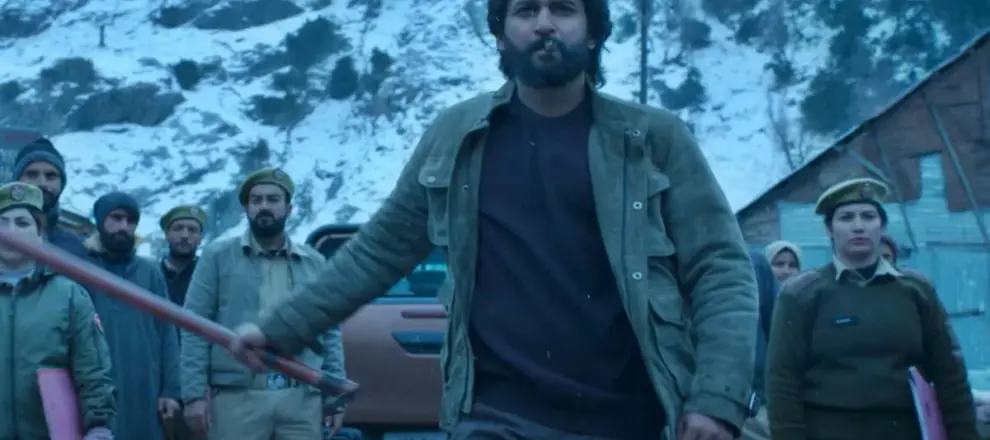
Is HIT: The 3rd Case worth watching if you loved the earlier HIT movies for their smart cases and tense reveals? Yes, but with a big asterisk. This third entry plays more like an action-thriller with investigative beats, not a clean, twisty whodunit.
Set in the HIT universe and released in 2025, the film follows a hard-edged cop on a violent trail that stretches across India. The intensity is high, the body count is higher, and the movie doesn’t shy away from blood. If you’re sensitive to gore, you’ll want to know that upfront.
This review starts spoiler-free with the basics, what works, and what doesn’t. Then there’s a clearly marked spoiler section later that explains the big reveals and ending.
HIT: The 3rd Case at a glance (story setup, cast, and vibe)
If HIT 1 and HIT 2 felt like case files you could try to solve alongside the cops, HIT: The 3rd Case feels like being dragged into the field with a man who doesn’t wait for backup. The story centers on Arjun Sarkaar, a HIT officer whose approach is blunt, physical, and often intimidating. He’s not the kind of investigator who politely asks questions and waits for a slip-up. He pushes, corners, and sometimes breaks the rules to get answers.
Premise (spoiler-free): Arjun Sarkaar is pulled into a string of brutal murders linked to a shadowy online group. The trail leads him through a wider network of cruelty and profit, forcing him to go undercover and fight his way through a case that keeps turning uglier.
Here’s a quick snapshot if you just want the basics:
- Genre: Action, crime, thriller
- Language: Telugu (also available in multiple dubbed versions on streaming)
- Series order: Third film in the HIT franchise
- Director: Sailesh Kolanu
- Runtime: About 2 hours 34 minutes (often listed as 154 minutes)
- Release: Theatrical release May 1, 2025 (US premieres April 30); streaming on Netflix from May 29, 2025
The vibe is dark and aggressive, with long stretches built around manhunts, undercover danger, and sudden violence. Don’t go in expecting a cozy mystery. This one wants you on edge.

Spoiler-free plot overview: what Arjun Sarkaar is up against
Arjun Sarkaar is presented as a top-tier HIT cop with a reputation that travels faster than he does. He’s assigned to investigate gruesome murders that appear connected, not just by method, but by ideology. The film ties these crimes to a dark web community, one that treats pain and fear like content and currency.
A key angle here is that Arjun’s job is not only to find the killers, but to get close enough to the network that he can expose how it operates. That leads to undercover work, bait tactics, and a lot of pressure on his team. The investigation is real, but it’s not the whole meal. The movie frequently shifts into pursuit mode, using action set pieces to show how dangerous the people behind the crimes really are.
The cleanest way to describe the structure is this: the first half sets up the case and the stakes, then the second half leans harder into infiltration and combat. If you like your thrillers with constant forward motion, it delivers. If you want a tight puzzle box, it may feel like the movie is moving past clues too quickly.
Main cast and key characters (and why they matter)
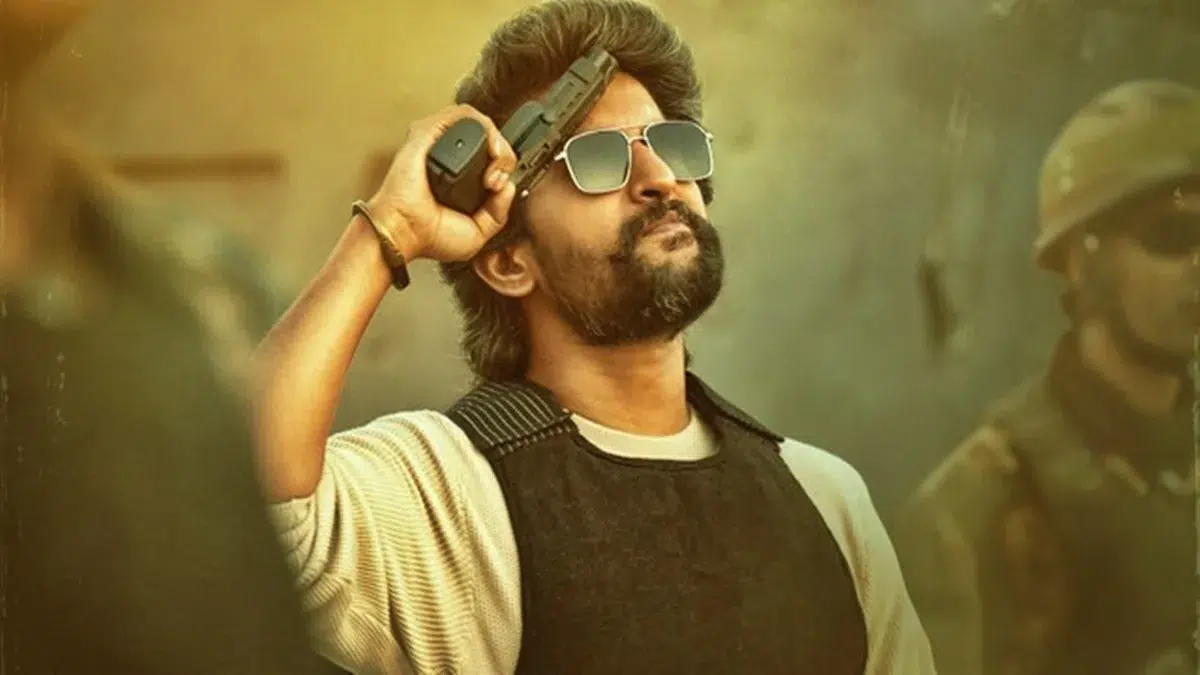
Nani as Arjun Sarkaar is the engine of the film. Arjun is written as intense, impatient, and morally sharp-edged. Even when the script goes loud, Nani keeps the character grounded in a kind of grim focus, like a man trying to outrun his own anger.
Srinidhi Shetty plays a key supporting role (often framed as both emotional counterweight and professional counterpart). The film uses her presence to add friction and humanity around Arjun’s rough methods.
Other notable characters include:
- Varsha IPS: A capable officer presence that helps anchor the law-and-order side of the story when Arjun goes off-script.
- Mrudula: Part of the emotional texture, also tied to how the case hits beyond police walls.
- Samuel Joseph: A supporting player who helps shape the investigative flow and team dynamics.
- Alpha (the leader figure): Less a classic “mystery villain” and more a symbol of what the network stands for.
For HIT franchise fans, the continuity candy matters. There’s a cameo connection to HIT 2 (Adivi Sesh) that reinforces the shared universe feeling, even if this movie’s tone is more physical and direct. There’s also a cameo by Karthi, which plays like a quick handshake between cinematic worlds.
What works in HIT: The 3rd Case (the highs)
This movie doesn’t win because it’s subtle. It wins when it commits to pressure, speed, and raw presence. Even people who feel mixed about the plot often agree on a few strengths.
Nani’s performance: a fierce cop you can’t ignore
Arjun Sarkaar could’ve been a one-note “angry super-cop.” Nani avoids that trap by giving Arjun a steady inner drive, not just volume. He carries himself like someone who’s already seen the worst and decided the only way forward is through it.
What stands out most is how Nani plays control. Even in explosive scenes, Arjun doesn’t feel random. He feels aimed. That makes the character watchable even when you disagree with his choices. The film also hints at the cost of his approach, the kind of cop who gets results but leaves wreckage behind. It’s not a deep character study, but it’s enough to add weight.
If you like checking how a film is landing with broader audiences, the listing on IMDb’s HIT: The 3rd Case page captures the general temperature, solid interest, mixed-to-positive viewer reactions, and plenty of debate about the violence versus story balance.
First-half momentum: strong buildup, clean stakes, and steady suspense
The early stretch is where HIT: The 3rd Case feels most like a classic investigative thriller, just with sharper elbows. The movie sets up the murders, the fear around the case, and the sense that the enemy isn’t just a person. It’s a system.
The first half also does a good job with:
- Clear stakes: You understand what happens if Arjun fails, and why time matters.
- Tension over tricks: Instead of hiding everything, the film builds dread from what it shows you.
- Small personal beats: There are human moments that keep the story from turning into pure procedure.
This is also where the movie’s pacing feels tightest. Scenes end with a push forward, not a pause for speeches.
What doesn’t work (and who may want to skip it)
The same choices that make the movie punchy can also make it feel thinner than earlier HIT entries. It’s not that the film is careless; it’s that it’s aiming for impact more than cleverness.
Less mystery, more mayhem: the shift away from a classic whodunit
If you’re coming in wanting layers of deduction, red herrings, and those “wait, that detail mattered” reveals, you may feel shortchanged. HIT: The 3rd Case often answers “who” and “what” faster than expected, then focuses on “how do we stop this” with bigger action beats.
That shift can be exciting, but it changes the flavor of the series. Instead of feeling like a case you can solve, it can feel like a threat you have to survive. Fans who loved the more methodical rhythm of the earlier films may miss the slow-burn mental game.
The villain side can also feel more like an idea than a fully shaped set of individuals. That fits the theme, but it reduces the satisfaction of “catching” someone in a classic detective sense.
Violence and gore level: Is it too much?
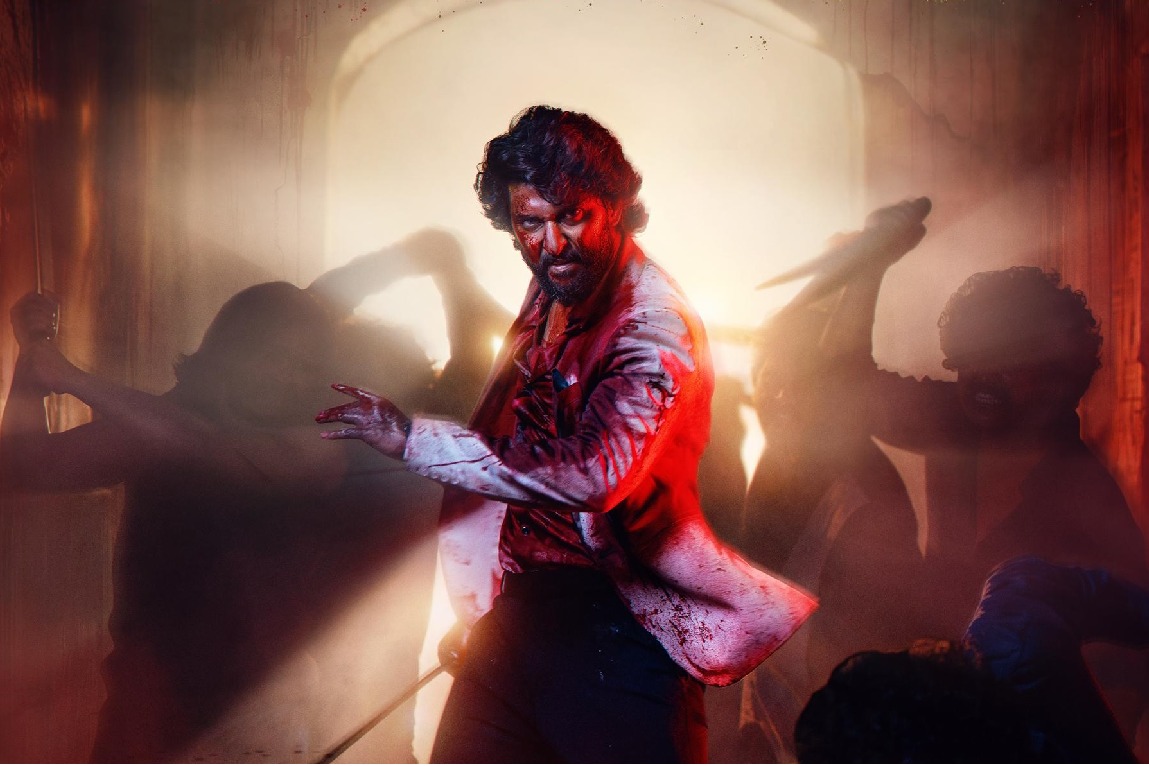
Content warning, in plain terms: the film includes brutal murders, visible gore, and intense hand-to-hand fights. It’s not a quick cut-away style of violence. The camera often lingers long enough to make the cruelty feel deliberate.
This will work for viewers who can handle harsh crime thrillers and want the danger to feel real. It may not work if you prefer cleaner, less graphic suspense, or if you’re watching with family.
A quick guide:
Watch if: you like gritty action-thrillers, intense cop leads, and dark subject matter handled without softness.
Skip if: you want a mystery-first HIT movie, dislike gore, or prefer villains with more psychological back-and-forth than physical threat.
Spoiler section: biggest reveals, climax, and ending explained
Spoilers ahead. This section discusses major reveals, the final act, and the ending. If you haven’t watched the film yet, stop here and come back after.
Who (or what) is CTK, and what is the real motive?
The film reveals CTK as a dark web-based network that turns cruelty into profit and status. It’s not presented as a single mastermind operating alone, but as an organized community with hierarchy, recruitment, and a shared appetite for control. The murders aren’t only about killing, they’re about building fear, “tests,” and a supply chain of suffering.
The trafficking angle becomes central as the story clarifies what CTK is really selling. Beyond violence as entertainment, the group is tied to exploitation and trade in humans, using the internet as both marketplace and mask.
One of the more disturbing reveals involves a fear-based drug concept (framed as extracting or using fear responses, sometimes described as a “fear-gland” angle). The movie simplifies it into a brutal logic: fear becomes a resource. CTK’s motive is power and money, but also the thrill of ownership over another person’s panic. That idea is what makes the film feel meaner than a standard serial killer plot.
If you want to compare how critics and audiences reacted to these choices, the spread of reviews on Rotten Tomatoes for HIT: The 3rd Case reflects the main divide: many praise the lead performance and action craft, while others push back on the heavy violence and thinner mystery.
The final act: undercover tests, big fight, and what it means for the HIT universe
The last act leans hard into undercover danger and “prove yourself” scenarios. Arjun isn’t just chasing suspects anymore; he’s trapped in a structure designed to break people down. The film ramps up with staged trials, confrontations meant to force moral compromise, and action sequences that function like survival rounds.
Arjun’s choices in the climax underline what the film has been saying about him all along: he’s effective, but he’s also willing to step into darkness to finish the job. The story frames that as both a strength and a weakness. He doesn’t walk away clean, emotionally or ethically.
The showdown delivers the movie’s biggest physical set pieces, and it closes with the HIT universe still very much open. The cameos and connective tissue aren’t just fan service; they signal that these cases share a wider ecosystem of threats. The ending positions Arjun as a force the system can use, but not fully control, which is a tense place to leave a protagonist.
Conclusion
HIT: The 3rd Case is best for viewers who want a hard-hitting action-thriller with investigative edges, and who can handle heavy violence without flinching. Fans who want mystery-first storytelling may feel the series has shifted gears, sometimes at the cost of twists and deduction. Nani’s performance and the first-half momentum do a lot of work, even when the second half goes louder than it goes smarter. Recommended for action-thriller fans, and a cautious pick for anyone hoping for the earlier HIT style. Which version of HIT do you prefer, mystery-first or action-first?