
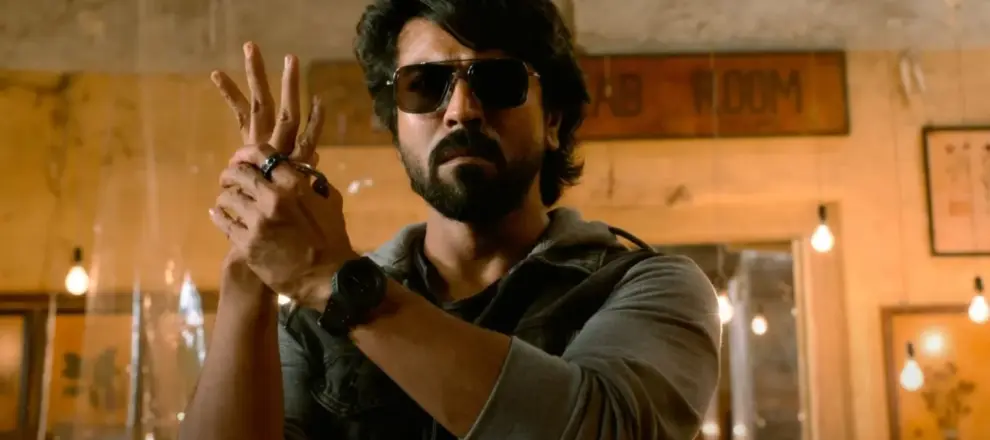
Game Changer Telugu Movie Review (2025): Ram Charan’s Political Action Drama, Verdict and Watch Guide
Some films win on story, others win on star power. Game Changer tries to do both, with a loud, political punch. This spoiler-light game changer telugu movie review keeps things simple and helps readers decide if it’s better as a cinema ticket or an OTT watch.
Released in 2025, this Telugu political action thriller is directed by S. Shankar and stars Ram Charan in a double role, with Kiara Advani as the female lead. At its core, it follows an honest IAS officer taking on political corruption, with a strong focus on fair elections and the cost of doing the right thing.
The quick verdict comes first, then a tighter breakdown of the story beats, performances, Shankar’s style, the music and background score, plus what works and what doesn’t. By the end, readers will know who this film is for, and who might want to skip it.
Game Changer Telugu movie: quick verdict and what to expect
As a full-on commercial entertainer with a political spine, the game-changer Telugu movie lands as a solid one-time watch. It’s at its best when it keeps the focus on power, pressure, and public choice, and it’s at its weakest when it slows down to familiar detours.
One-line viewing summary: Political drama plus action, a long 165-minute runtime, and a familiar message served with big star energy.
In plain terms, what works is Ram Charan’s drive, the high-stakes election angle, and the way the film builds big moments for whistles and applause. What doesn’t is the uneven pacing, plus a few stretches that feel like they’re marking time rather than pushing the story forward. For a wider spread of critical takes, readers can compare perspectives from The Hindu’s review and 123telugu’s review.
Mini scorecard (word ratings):
- Story: Familiar, but punchy when it sticks to the core conflict
- Performances: Strong, led by Ram Charan
- Direction: Big set-pieces, mixed flow between scenes
- Music: Uplifting and loud when it needs to be
- Action: Stylish and crowd-friendly
- Rewatch value: Best for favourite scenes, less for a full repeat
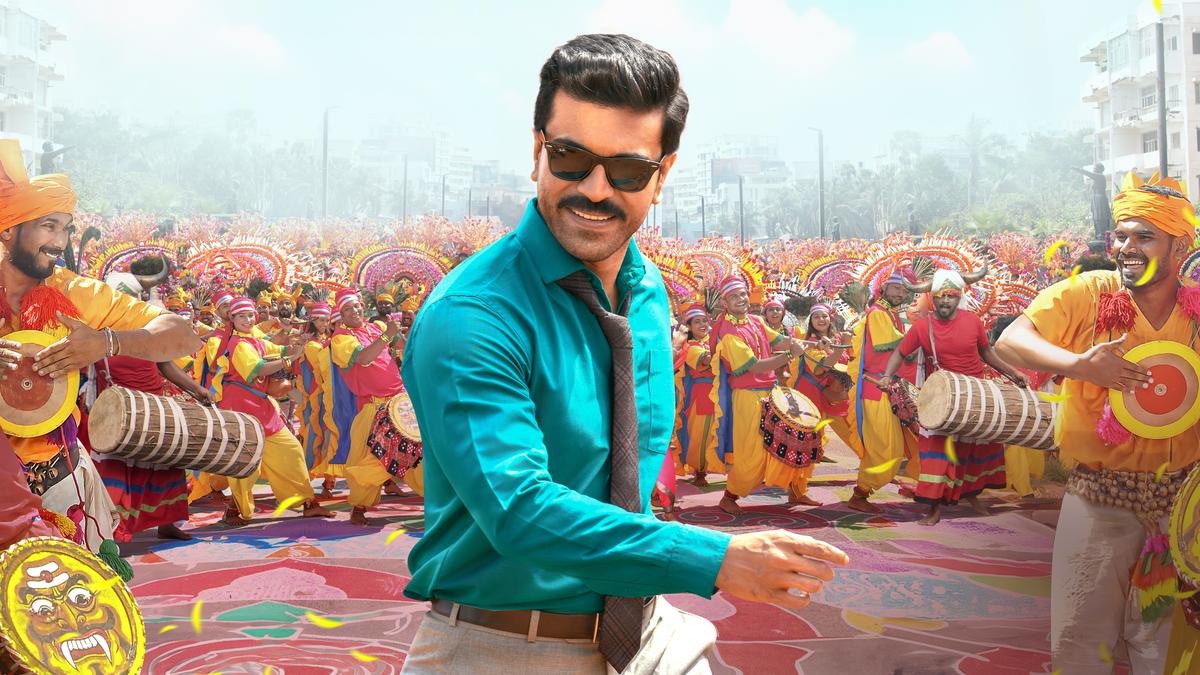
Is it a theatre watch or better on OTT?
For a lot of people, this comes down to one thing: does spectacle matter more than pacing? At 165 minutes, Game Changer asks for patience, and it doesn’t always feel lean. In a theatre, the scale helps, loud sound, bigger emotions, and the kind of hero entries that feel built for a packed crowd. Ram Charan fans, and anyone who enjoys mass political drama where the hero takes on a system, will likely enjoy the communal energy. It plays like a rally, noisy, charged, and designed to pull reactions.
OTT suits viewers who prefer control. When the film dips into slower stretches, home viewing makes it easier to pause and return without feeling trapped in the seat. People sensitive to long runtimes, or those who prefer tighter thrillers, may find the second-half flow more comfortable in chapters.
A simple way to decide:
- Choose theatres for star power, action beats, and crowd highs.
- Choose OTT for a relaxed watch, especially if slower pacing tends to irritate.
Best parts in one paragraph (no big spoilers)
The film’s strongest stretch is when it keeps the spotlight on its central idea: clean governance and fair elections, treated like a battlefield rather than a debate. Ram Charan’s screen presence does the heavy lifting, switching gears between intensity and restraint in a way that keeps attention even when the writing takes familiar turns. Several conflict scenes land because they feel personal, not just political, with pressure coming from both the public arena and behind closed doors. The action is staged to feel larger than life, but it’s the dramatic beats around power, intimidation, and public choice that give the story its bite. There are also key moments where the film pauses to underline consequences, who pays the price, who benefits, and what courage looks like when it’s not fashionable. Overall, the best parts feel like a tug-of-war: the hero pushing forward, the system pushing back, and the audience caught in the middle, waiting to see who blinks first.
Story and screenplay review: honest officer versus corrupt system
At its heart, the game changer telugu movie runs on a simple, crowd-friendly idea: one upright officer walks into a rotten setup and refuses to play along. The screenplay keeps returning to the same question, how much can one person change when the system is built to resist change?
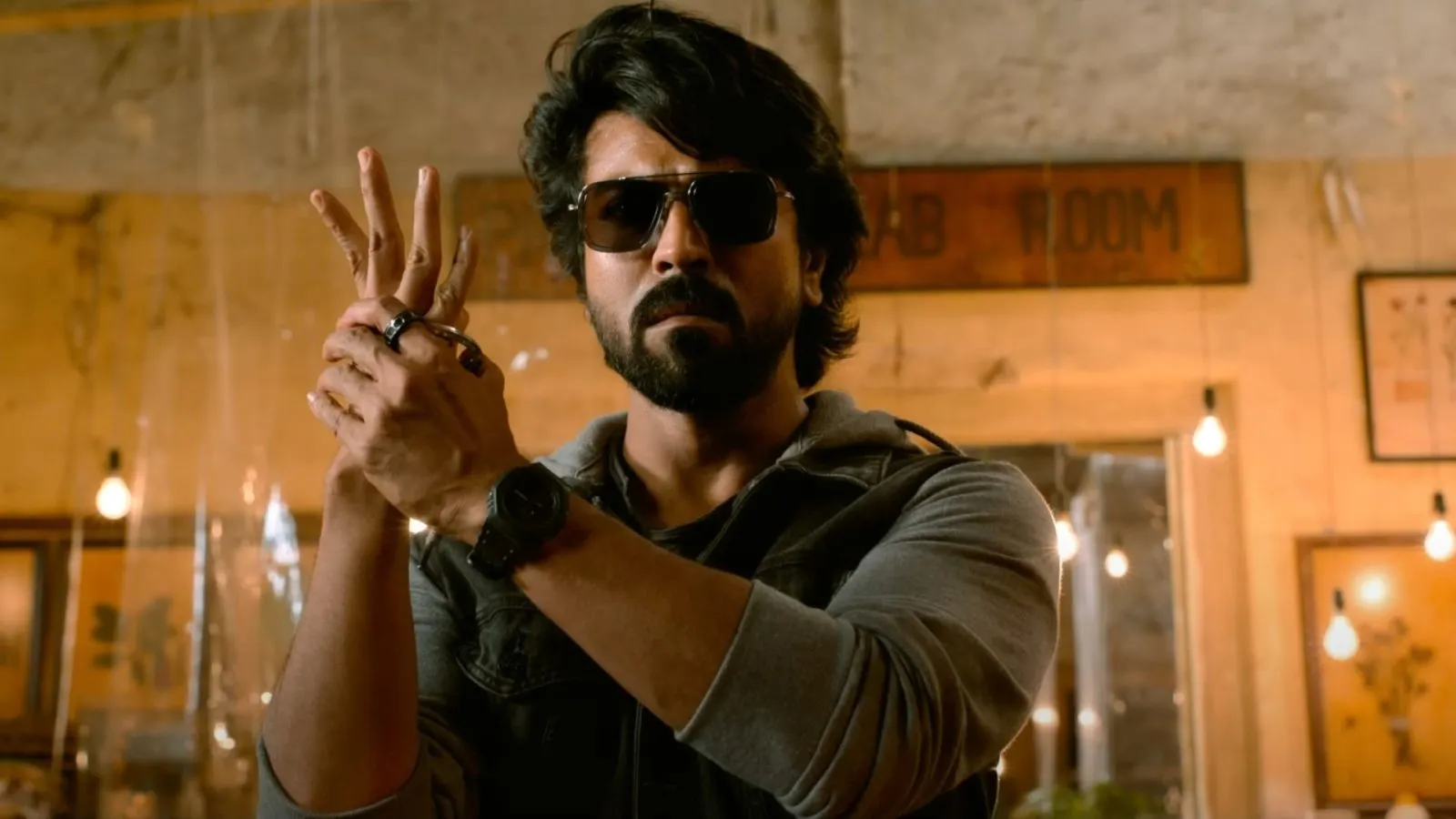
Plot summary in simple terms (spoiler light)
Ram Nandan enters the story as an honest, sharp-edged officer who believes rules still mean something. When he becomes a District Magistrate, he treats the posting like a test of character, not a comfy chair. He starts small, looks at everyday corruption, targets illegal networks, and makes it clear he won’t take calls from the powerful.
That stance quickly puts him in the path of Minister Bobbili Mopidevi, a man who treats public office like private property. Their clash isn’t just about ego; it’s about control. Ram Nandan wants transparent governance, while Mopidevi thrives on fear, favours, and fixed outcomes.
As the conflict grows, the film shifts from raids and showdowns to the bigger battlefield: elections. The story moves into the messy space where money, muscle, and influence try to bend public choice. Ram Nandan pushes back with administration, public pressure, and a stubborn belief that the process matters as much as the result.
For viewers who want a quick reference on the basic setup and cast, the listing on IMDb captures the broad strokes without needing deep spoilers.
Pacing and emotional connect: where it grips and where it drags
The film grips most when it locks into the cat-and-mouse conflict between the officer and the minister. These stretches have clear stakes, punchy dialogue, and a sense that any public move can trigger a private backlash. The best scenes feel like a tug-of-war, one side pulls with power, the other pulls with proof.
Where it drags is in the in-between writing. The screenplay repeats a few beats: a big promise, a public challenge, a counter-threat, then another set-piece to raise the volume. That pattern can make parts feel longer than they need to be, especially across a 165-minute runtime.
Emotion is mixed. The political anger is easy to feel, but the softer threads don’t always land with the same weight:
- Romance: pleasant in moments, but it can feel like a pause button on the main conflict.
- Family and personal cost: the idea is there, yet some scenes move on before they sink in.
- Public emotion: rallies and crowd beats work better than intimate drama.
Several critics have made a similar point about the film chasing “big moments” more than lasting feeling, including The Hindu’s review.
Political message and realism: does it feel believable?
The political message is direct and easy to read: corruption isn’t a side problem, it becomes the system when good people stay quiet. The film calls out election manipulation, backroom deals, and the way officials get pressured or punished when they don’t obey. It wants the viewer to root for process, not just personality.
Realism, though, comes and goes. Some details feel grounded, like how influence travels through departments and how fear can silence witnesses. At the same time, the film often presents governance like a one-man clean-up mission, where willpower and a few bold actions can flip an entire machine.
Predictability is the main complaint. Many turns play out exactly as expected for this genre, especially once the election track becomes the story’s centre. Still, the intent feels sincere, and the film’s point lands even when the plotting takes familiar roads.
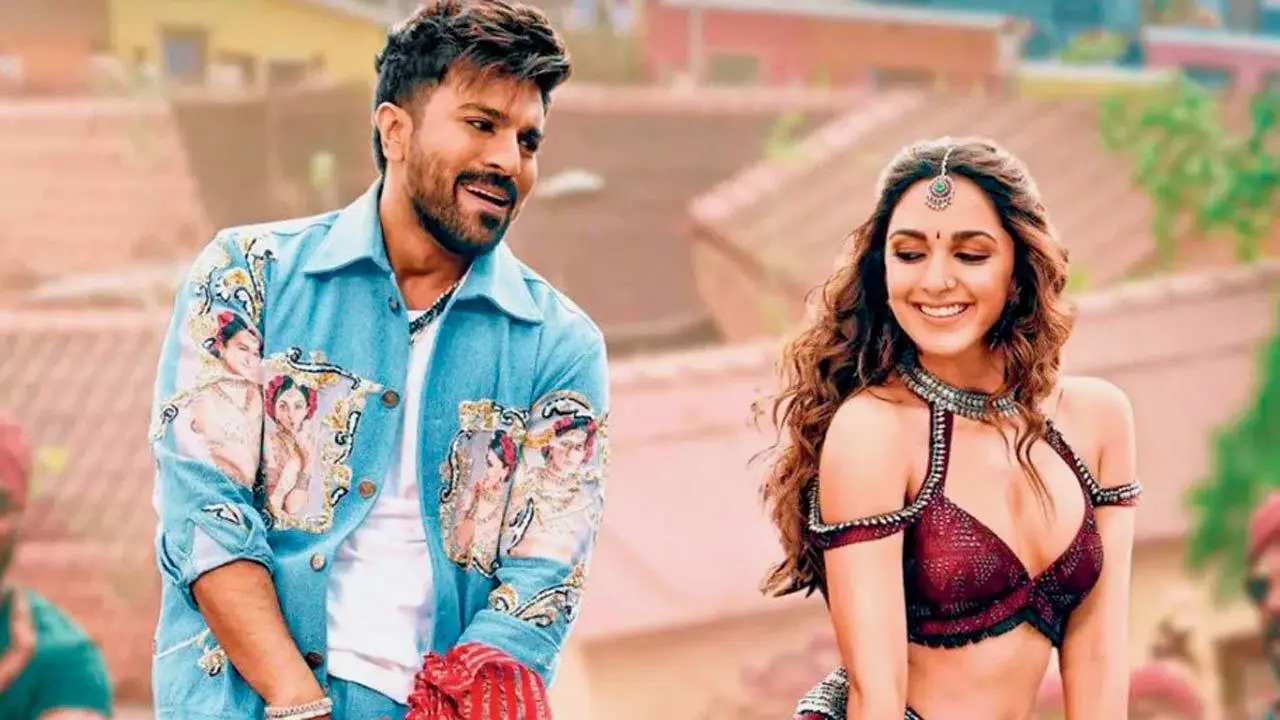
Performances: Ram Charan, Kiara Advani, and SJ Suryah
For a film that runs on political conflict and crowd moments, performances matter as much as plot mechanics. In the game changer telugu movie, the lead trio brings very different energies, one built on controlled fire, one on soft support, and one on pure intimidation. When the writing hits, the acting sells it hard. When scenes turn predictable, the performers are the ones keeping the watch engaging.
Ram Charan in a double role: presence, intensity, and hero moments
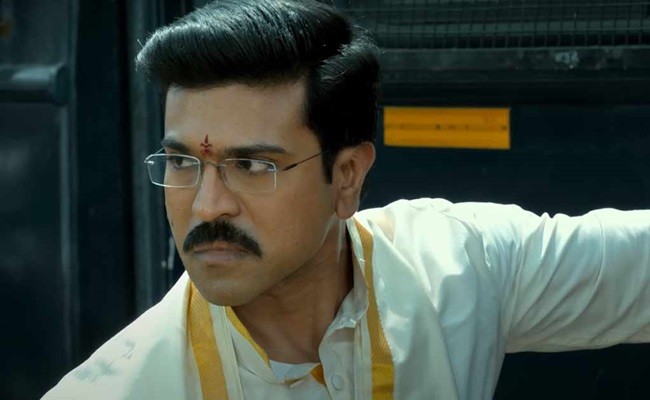
Ram Charan’s biggest win here is conviction. As the honest officer, he plays authority without turning it into a speech contest. His posture is upright, his gaze stays locked, and even in long dialogue-heavy scenes, he holds attention like a magnet. He also knows when to go quiet, letting a pause do the work instead of overplaying anger.
The “mass” beats are placed to land cleanly, and he delivers them with sharp timing. A simple head turn, a slow walk into a hostile room, a line spoken with clipped certainty, these become the film’s applause triggers. It’s the kind of star performance that can carry a scene even when the setup feels familiar.
The second role adds a different flavour and gives him space to show range, with body language and expression doing more than dialogue. Several reviews have highlighted how this double role becomes the film’s main engine, including Koimoi’s take on his energy and swag.
Still, a few hero moments feel pre-planned rather than earned. When the script telegraphs the “next big beat”, even Ram Charan can only lift it so far.
Kiara Advani as Deepika: role impact and chemistry
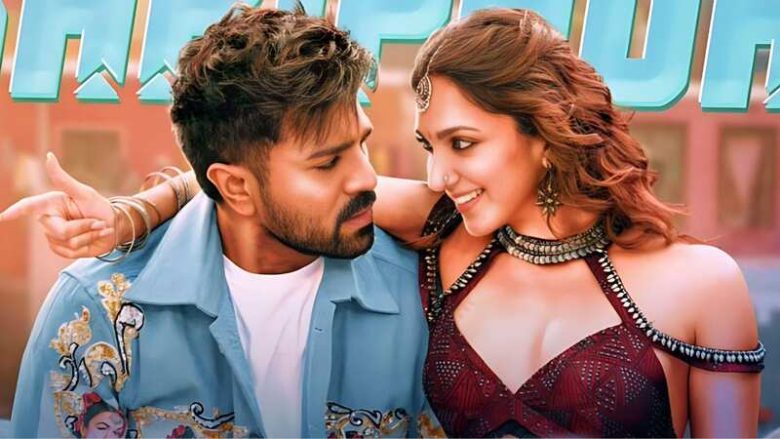
Kiara Advani’s Deepika has a clear place in the story on paper, she is tied to the hero’s past, and she runs an asylum, which could have been used to deepen the film’s emotional stakes. On screen, though, the role often feels like it is waiting for the plot to call her back in.
Her strongest scenes come when she is allowed to react rather than pose. She keeps her expressions grounded, and she brings an easy warmth that makes the romance watchable moment to moment. The chemistry is pleasant, but the relationship doesn’t always feel built through choices and consequences. It can come off like a highlight reel placed between heavier political blocks.
The limitation is not her effort, it is how little the writing gives her to change. Deepika rarely gets decisions that alter the story, and that undercuts her impact. This has been a repeated criticism in a few reviews, with some pointing out how the love track stays thin while the film saves its real weight for the hero versus system conflict (a similar point comes up in The News Minute’s review).
SJ Suryah as Bobbili Mopidevi: villain energy versus writing
SJ Suryah attacks the antagonist role with full commitment. As Bobbili Mopidevi, he doesn’t play “evil” as a quiet shadow, he plays it like a man who enjoys being feared. His voice rises fast, his smile turns sharp, and his eyes stay restless, as if he is always testing how far he can push a room. That makes the villain feel dangerous in the moment, even before he acts.
What works best is his face-to-face friction with Ram Charan. In those confrontation scenes, SJ Suryah matches the hero’s intensity and keeps the power dynamic unstable, which is exactly what a political drama needs. He can be loud, yes, but it often feels like a chosen tactic, a bully’s way of taking up oxygen.
Where it falls short is the writing support. The character sometimes leans on familiar “bad man” beats instead of layered motives, so the performance ends up doing extra labour. Even so, his presence remains one of the film’s steadier strengths, a point echoed by outlets like The News Minute, which praised the energy he brings to the clash-driven portions.
Direction, technical quality, songs, and action: does Shankar deliver?
In the game changer telugu movie, S. Shankar brings his familiar mix of social-point cinema and crowd-pleasing showmanship. The big question is whether that old-school mass grammar still feels sharp in 2025. The answer sits somewhere in the middle: the intent is clear, the scale is real, but the film sometimes moves like a powerful bus stuck in city traffic.
Shankar’s direction in Telugu: scale, choices, and dated moments
Shankar stages this film like a public speech with fireworks. He goes for big emotions, clear moral lines, and scenes designed to play to a packed theatre. When the story locks into elections, intimidation, and power games, his direction lands because it treats politics like a contact sport.
The film’s social message is loud and direct, and that can be a strength. The hero’s choices read cleanly, and the conflicts feel designed to spark outrage, then relief. It’s a familiar Shankar rhythm: build pressure, punch out a “moment”, repeat.
Where it can feel old fashioned is in the predictability of some turns. A few stretches lean on expected set-ups (the public humiliation, the villain’s grand threat, the slow-motion response). The scene design also pauses for “announcement” dialogue, which can flatten tension.
On the technical side, the cinematography often looks polished in wide shots and crowd frames, but close scenes can feel a bit glossy rather than lived-in. Editing is the bigger issue, some sequences run long, and the flow between drama, romance, and politics is not always smooth. For a sharper critical read on this style, The Hindu’s review makes a similar point about instant highs over emotional weight.
Music by Thaman S: songs, background score, and mood
Thaman S keeps the film loud when it counts. The background score pushes the hero’s entries, underlines political tension, and adds urgency to confrontations. In several key stretches, the score works like a drumline at a rally, it tells the viewer how big the moment is meant to feel.
The songs are more mixed. They look mounted on a large scale, and there were reports of heavy spending on the musical set-ups and staging, yet the public response to the album stayed uneven. The tracks do not land as widely loved “repeat playlist” hits, which matters in a star-driven Telugu film where one breakout song can lift the whole run. Thaman even spoke about why the soundtrack did not connect the way it should have in The Hollywood Reporter India feature.
In the narrative, the issue is placement. Some songs give breathing room and glamour, but a couple arrive when the political plot needs momentum. The result is a stop-start feeling: the score adds speed, the songs sometimes tap the brakes.
Action and set pieces: are they exciting or repetitive?
The action in the game changer telugu movie is hero-centric and designed for impact, not realism. Shankar favours clean “power poses”, choreographed crowd movement, and set pieces that make the hero look like a one-man institution. That suits the film’s tone, because the story treats governance and elections like a battlefield.
The best action beats are the ones tied to political tension. When a fight or chase grows out of a decision (a raid, a public stand, a threat answered), it feels earned. These scenes have clearer stakes, and the choreography reads well on screen.
Where it turns repetitive is when action appears mainly to refresh the energy. A few sequences lean on similar punch patterns and slow-motion punctuation, which can reduce surprise. Still, the staging stays mostly legible, with decent spatial clarity, and the sound design helps sell the force.
Overall, the film balances action and drama in blocks rather than blending them. When those blocks line up, the set pieces hit hard. When they do not, the film feels like it is waiting for the next “high” instead of tightening the story.
Who should watch Game Changer Telugu movie and who can skip it?
Choosing the right time and mood matters with the game changer telugu movie. It’s a long, star-led political action drama that plays best when the viewer enjoys big speeches, clear good-versus-bad stakes, and set pieces built for cheers. If someone wants a lean plot or quiet character work, this may not be the best pick.
Quick pros and cons (in plain sentences): The film delivers strong Ram Charan screen presence and crowd-pleasing highs. The election and corruption angle keeps the conflict easy to follow. The runtime feels heavy, and a few stretches move slowly. The romance adds glamour, but it doesn’t always deepen the story.
Best for: fans of political action dramas and Ram Charan followers
This is a good fit for viewers who like political stories where the hero takes on a rigged system and refuses to bend. The game changer telugu movie treats governance like a fight, so the appeal comes from power clashes, public confrontations, and the feeling of watching one man push back against a machine.
For Ram Charan followers, the value is simple: he gets plenty of space to own the frame, build tension with silence, then cash it in with punchy hero moments. The double-role factor also keeps interest alive when the story starts to feel familiar. Fans who enjoy “mass” cinema will find enough peaks to justify the runtime, especially in a theatre setting.
Families can also watch it if they’re comfortable with loud action and political themes rather than heavy romance. The best mindset is to expect a familiar corruption and election story with a glossy finish. If some scenes feel like detours, it helps to treat them like interval snacks, not the main meal.
A useful yardstick is audience chatter and viewer reactions on pages like IMDb user reviews for Game Changer (2025), which often reflect that star energy is the main draw.
Maybe skip if: viewers who want a fresh plot, fast pacing, or strong romance
Viewers who crave a fresh plot with surprises may feel the film calling its moves early. It hits many expected beats for this genre, including familiar villain tactics, public challenges, and staged “high points” that can feel planned rather than natural. The pacing can also test patience, because the story takes its time getting from one big moment to the next.
Anyone who prefers tight, twisty thrillers should consider choosing something shorter and more focused, where every scene pushes the plot. The same goes for viewers who dislike long runtimes. At 165 minutes, even good scenes can start to drag if the viewer wants a brisk watch.
People looking for a strong romance might also leave underfed. The relationship moments are pleasant, but the emotional depth stays lighter than the political track, so it can feel like a side lane rather than the road.
A practical viewing tip is to save it for a day when attention spans are high, or watch at home in two sittings. For a snapshot of fan-first reactions, Hindustan Times’ roundup of social media responses shows the kind of audience that clicks with its style.
Conclusion
Game Changer Telugu Movie sticks to a clear formula, an honest officer versus a corrupt machine, then turns the volume up with rallies, confrontations, and big hero beats. Its best assets are easy to spot, Ram Charan’s committed double role, Shankar’s larger-than-life staging when the politics heats up, and a direct message about clean governance that doesn’t hide behind subtle hints. When it hits, it feels punchy and satisfying, with scenes built for applause.
The weak spots are just as clear. The story often plays out in expected ways, the 165-minute runtime makes the slow patches stand out, and the songs do not always leave a lasting mark. A few detours, especially around romance and filler stretches, can make the momentum wobble.
For viewers who want star presence, speeches, and spectacle, this is a solid one-time watch in theatres. For those who prefer tighter pacing, it fits better on OTT, where it can be watched in parts without fatigue. Thanks for reading, thoughts on Ram Charan’s best scene are welcome.