
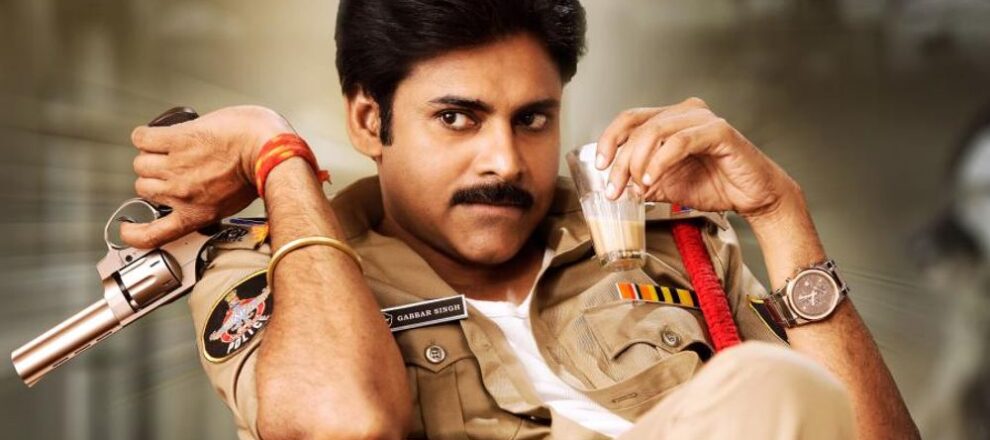
What makes a commercial action-comedy stick for more than a decade? For many Telugu movie fans, Gabbar Singh (2012) still feels like that comfort rewatch, the kind of film that can run in the background and still pull attention during the big punch lines, musical highs, and swagger-filled entrances.
Harish Shankar’s remake builds a bold cop persona around Pawan Kalyan, then lets that persona drive almost everything: the humor, the confrontations, and even the romance. People keep coming back for the quotable dialogue, the clean comedy beats, Devi Sri Prasad’s energetic sound, and Pawan Kalyan’s screen presence that sells even the simplest moments.
This review keeps it spoiler-light and practical: what works, what drags, and who is most likely to enjoy it today.
What the Movie Is About, and the Mood It Aims For (No Spoilers)
At its core, Gabbar Singh follows Venkataratnam Naidu, a man shaped by childhood pain who grows into a fearless police officer. After taking on the name “Gabbar Singh,” he returns to his hometown and faces off with a local strongman who controls the village through fear and money. Alongside the main conflict, the story also carries family tension tied to his past, plus a romance that adds warmth and levity. The stakes rise as the villain pushes back and the hero’s choices start affecting people close to him. The film moves toward a clear good-versus-evil finish, with the hero steering the ride the whole way.
The tone is classic masala entertainment: action that’s more show than realism, comedy built from reactions and one-liners, romance that’s light rather than deep, and songs placed to keep energy up. It’s also unapologetically hero-driven. Viewers looking for an ensemble drama or a tight procedural won’t find that here. Viewers who like star-led “mass” movies will understand the assignment within minutes.
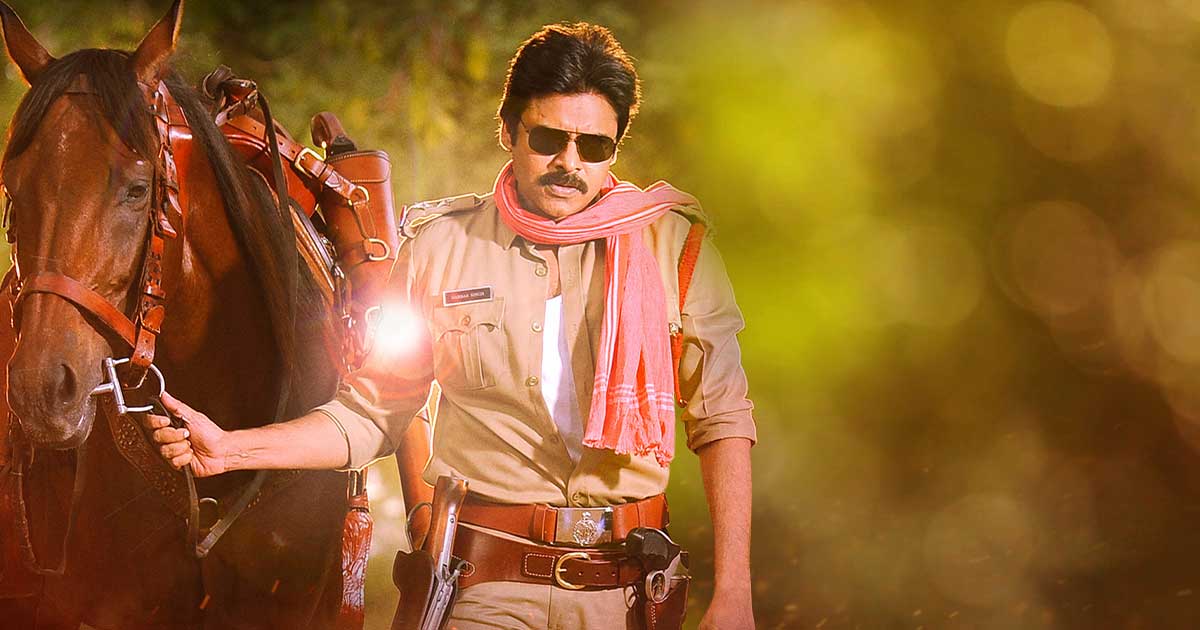
The main characters viewers should know going in.
Gabbar Singh (Pawan Kalyan) is the engine. He’s a cop with attitude, but he’s also playful, sometimes silly, and often unpredictable in how he handles pressure. The film wants the audience to enjoyitss confidence even more than the plot turns.
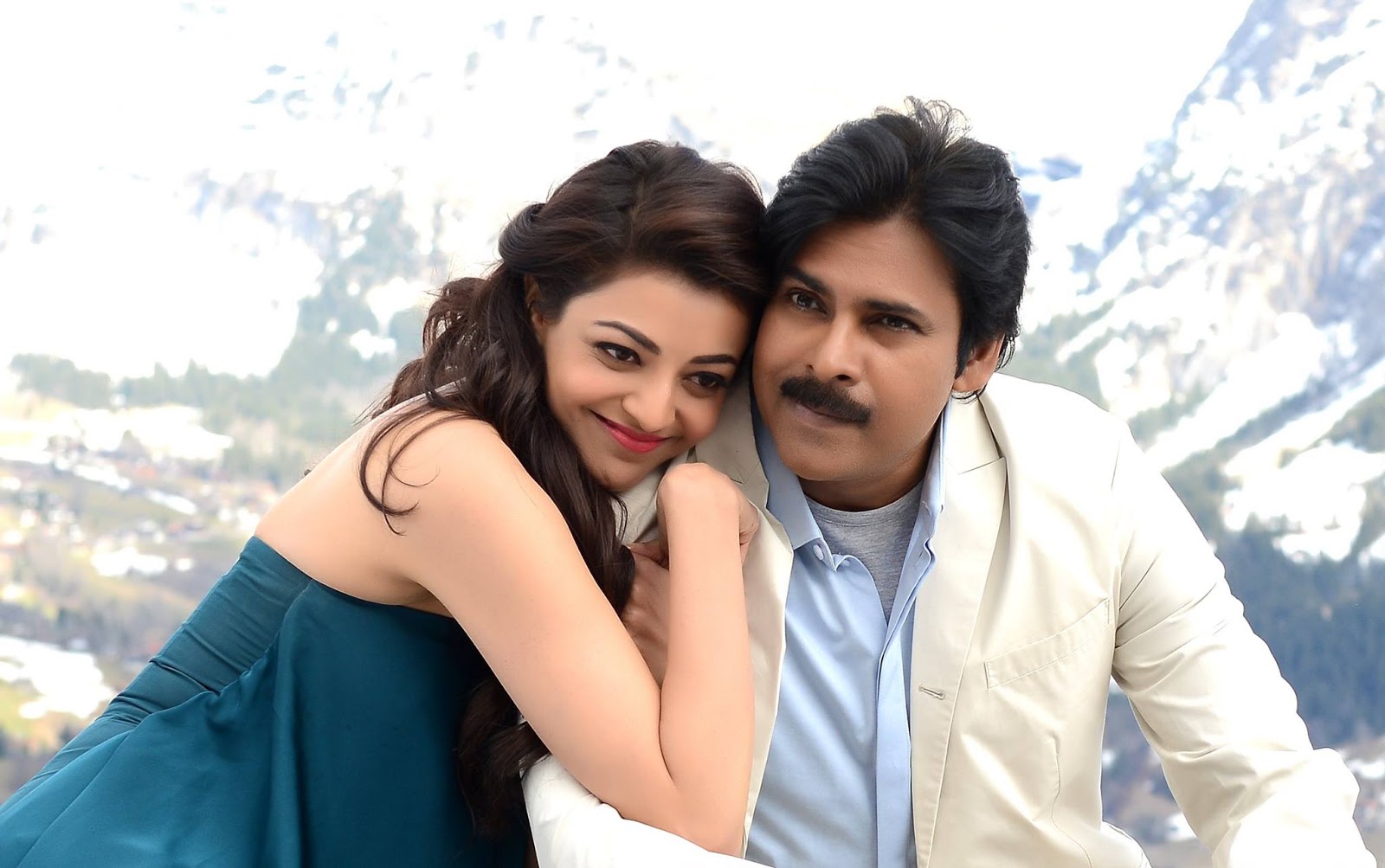
Bhagyalakshmi (Shruti Haasan) brings the romantic track and a breezy charm that keeps the film from feeling too rough. She isn’t written as a complex character, but her presence helps the movie breathe between fights and feuds.
Siddhappa Naidu (Abhimanyu Singh) provides the “push” that the hero needs. He’s a straightforward power-hungry villain, the kind who doesn’t need subtlety to feel threatening in a village setup.
Key family members matter because the hero’s anger and pride don’t come from nowhere. The emotional angle is simple, but it gives the film a reason to slow down at times and remind the viewer that Gabbar’s bravado has a history behind it.
Performances and Direction: Why It Often Feels Like a “Pawan Kalyan Show”
This is the kind of movie where the star isn’t just the lead, he’s the atmosphere. Pawan Kalyan plays Gabbar Singh with a mix of mischief and authority, like someone who can crack a joke without losing control of the room. His body language does a lot of work. Even when the script takes a familiar turn, his timing keeps scenes watchable.
Director Harish Shankar stages the film as a sequence of “moments” that build crowd energy: an intro that announces the hero, a run of comic set pieces, spikes of action, then a final stretch that ties up the conflict quickly. The pacing is mostly brisk in the first half because it keeps feeding the audience a new gag, a new reaction shot, or a new confrontation before things settle too long.
That said, the film’s strengths also explain its weak points. Because so much depends on the hero’s charisma, some side tracks feel thinner than they could’ve been. The second half can slow down when it leans into expected beats (family friction, villain escalation, romance pauses), and the ending can feel fast compared to how long the movie spends setting up the hero’s dominance.
For a snapshot of how strongly mainstream critics reacted to the film’s entertainment value at release, see The Times of India write-up, Times of India’s Gabbar Singh review, which captures the “star vehicle” appeal that still defines its reputation.
Comedy, dialogue, and signature scenes that became fan favorites
The comedy in Gabbar Singh isn’t built on clever plotting. It’s built on rhythm, attitude, and the hero’s ability to turn a normal situation into a performance. Many laughs come from how Gabbar reacts, how long he holds a stare, or how casually he flips a tense moment into a joke.
A few sequences get cited again and again in fan spaces because they’re easy to replay without context. The police station antakshari bit is one of them, a scene that turns a public place into a playground for Gabbar’s confidence. The swagger-heavy confrontations also stand out, not because the dialogue is poetic, but because it’s delivered like a challenge thrown with a grin.
That “quote-first” writing style is a big reason the movie stayed alive in memes and repeat watches. People remember the punch lines and the pauses between them. Even viewers who don’t revisit the full film often still recall its one-liners, which is usually the real win for a masala entertainer.
Music, Action, and “Masala” Mix: Where Gabbar Singh Hits, and Where It Slips
Devi Sri Prasad’s music is a major reason Gabbar Singh feels so rewatchable. The songs carry that folk-pop energy Telugu commercial cinema does well: catchy hooks, dance-friendly beats, and lyrics that match the film’s cheeky tone. Just as important, the background score pushes hero moments higher, signaling to the audience when to laugh, clap, or brace for a confrontation.
The action is designed for impact, not realism. Fights lean larger-than-life, with clean hero framing and crowd-pleasing beats. It’s less about tactics and more about attitude. When the film is firing on all cylinders, the mix works like a street parade: loud, colorful, and hard to ignore.
Where it slips is also familiar. Some scenes exist mainly to connect one “high” to the next, so a few stretches can feel repetitive if the viewer isn’t in the mood for a long commercial format. The romance track stays light and playful, but it doesn’t always deepen the story. And while the villain creates steady pressure, he’s written in broad strokes, so the conflict sometimes feels like a waiting game until the hero decides it’s time to finish things.
A simple way to frame the experience:
- High points: hero comedy, punch dialogue, energetic score, and crowd-ready set pieces
- Low points: occasional drag in the latter half, familiar turns, and a wrap-up that moves quickly

Songs that defined the vibe, including the big item number
Even people who haven’t watched Gabbar Singh in years often remember its musical moments. “Kevu Keka” is the big item number that became part of the film’s pop identity, the kind of track that’s built to fill a dance floor and keep the movie’s pulse high. Other songs also support the film’s mix of romance and bravado, helping the story reset between action scenes.
In Telugu commercial films, DSP’s background music often matters as much as the songs because it “brands” the hero’s presence. When Gabbar walks in, the score tells the viewer what kind of scene it is before a word is spoken. That’s a big reason the movie still plays well on a home screen, where sound and timing do a lot of the heavy lifting.
For track context and release details, the Gabbar Singh soundtrack listing is a handy reference, especially for viewers who remember the tunes but not the album structure.
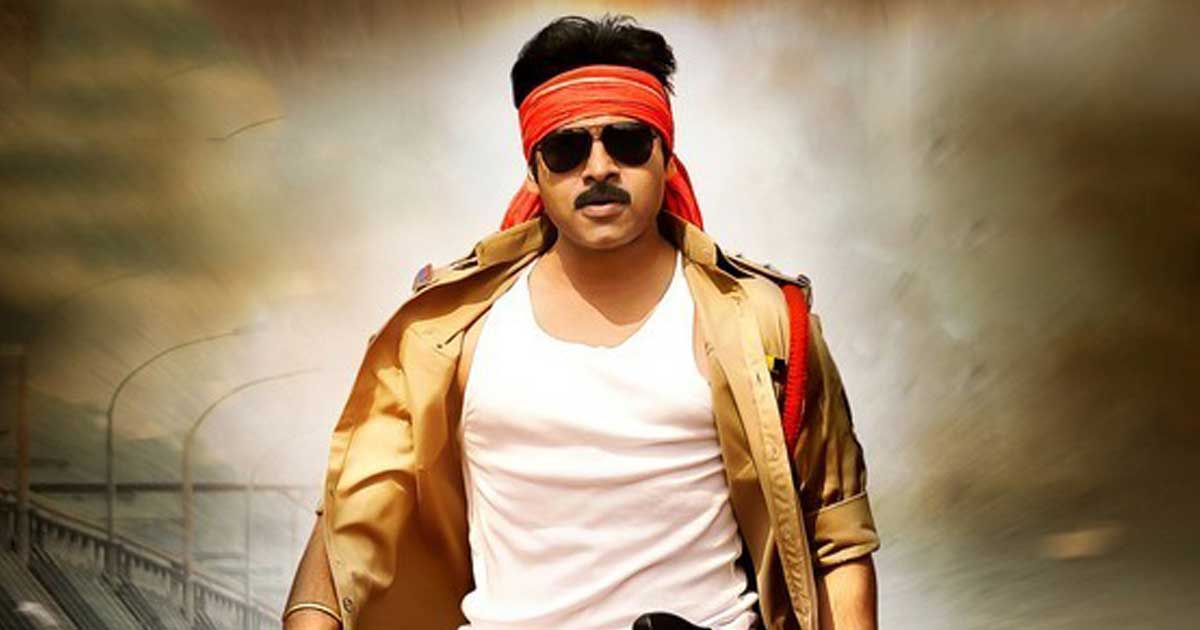
Remake Talk and Legacy: How It Compares to Dabangg and Why It Still Matters
Gabbar Singh is a remake of the Hindi hit Dabangg, and it doesn’t hide that. The broad skeleton is recognizable: a quirky cop, a small-town setup, a villain with local power, plus romance and family baggage. The difference is in the flavor. Harish Shankar leans harder into Telugu nativity and “mass” staging, while Pawan Kalyan plays the cop less like a prankster and more like a self-aware hero who knows he’s being watched.
For viewers who know Dabangg, the fun is in spotting what gets re-shaped for a Telugu audience. Certain character beats and comic rhythms are adjusted to fit Pawan Kalyan’s on-screen persona, and DSP’s music gives the remake its own pulse. The result isn’t a reinvention, but it is a remake with a clear local identity.
Its legacy is also measurable. Reports and award coverage from the time regularly cite the film’s blockbuster run, with worldwide gross often reported in the ₹110 crore to ₹150 crore range, depending on the source and accounting. Pawan Kalyan’s performance also received major recognition, including a Filmfare Award for Best Actor (Telugu), plus other prominent awards.
In January 2026, the moviewill remains easy to access for viewers in the US. Streaming availability shifts over time, but it has been listed on subscription services like Sun Nxt, with options to rent or buy on Amazon Video, and it has also appeared on YouTube and free-streaming apps on platforms like Roku (availability can vary by region and listing).
Who is it best for today?
- Fans of Telugu commercial cinema who like big hero moments
- Pawan Kalyan fans who want peak “persona” entertainment
- Viewers who want a light action-comedy, not a tight crime story
Conclusion
Gabbar Singh still works because its core pleasures are simple and well-delivered: Pawan Kalyan’s star performance, comedy built on timing, and DSP’s high-energy music. It does sag in parts later on, and the remake structure can feel familiar if the viewer wants fresh plotting. For audiences who enjoy masala entertainers with punch dialogue and crowd-ready scenes, it remains an easy recommendation. For viewers chasing realism or a tightly written action script, it’s better approached as a star showcase than a story-first film.