


Ravi Teja’s Holiday Comedy, With Laughs Up Front and Wobbles Later
Sankranthi releases usually come with a promise: keep it light, keep it loud, and give families something to watch together. Bhartha Mahasayulaku Wignyapthi fits that lane, aiming for a breezy Telugu comedy that doesn’t ask for too much attention, just a willingness to go along for the ride.
The film arrived in the Sankranthi window (released January 12, 2026, in some promotions and listings, with many outlets tracking it as a January 13, 202,6 theatrical release). This review stays mostly spoiler-free and sticks to the big-picture experience.
This write-up is for viewers who like Ravi Teja’s comic groove, want a low-stress theater pick, or are choosing a festive watch with family.

Bhartha Mahasayulaku Wignyapthi in one glance: genre, release, and the basic story
At its core, Bhartha Mahasayulaku Wignyapthi is a Telugu comedy entertainer with a familiar engine: one “normal” guy, one trip that should be simple, and a chain of misunderstandings that refuse to stop. The storytelling doesn’t try to reinvent anything; it tries to keep the mood playful and keep the punchlines coming, at least for a good stretch.
The title is half the joke. In plain English, it reads like “a notice to husbands,” the kind of phrase seen on a cheeky signboard, or a scolding announcement on a community mic. That meaning matches the film’s tone; it keeps circling back to married life, public image, and the tiny lies people tell to avoid bigger fights. The humor often comes from watching a man try to look “sorted” while everything around him turns messy.
The movie also wears its holiday positioning on its sleeve. It’s built for crowds that like quick laughs, music breaks, and comedy tracks that can be enjoyed even if the plot feels predictable.

Spoiler-free plot: a business trip to Spain that turns messy and funny
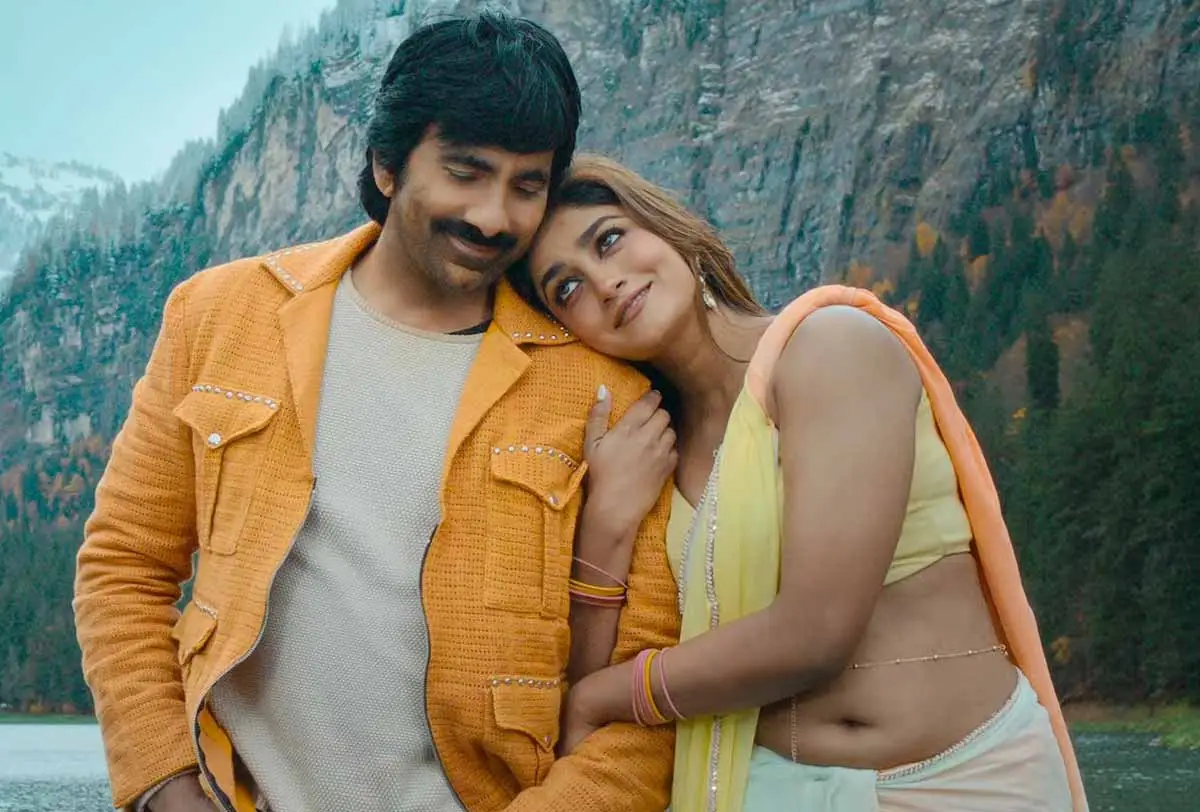
Ravi Teja plays Ram Satyanarayana, a man who carries himself with calm confidence, until life starts poking holes in that calm. A work trip to Spain becomes the setup, tied to issues around a wine brand called Anarkali. What should’ve been a straightforward fix turns into a situation where optics matter more than truth, and every attempt to “handle it quietly” creates a louder problem.
On the trip, he meets Manasa Shetty (Ashika Ranganath), an executive who becomes central to the confusion. Add Balamani (Dimple Hayathi) and a set of side characters who treat every small misunderstanding like a festival drumbeat, and the story gets its main fuel: escalating comedy from awkward timing, mistaken impressions, and half-explained decisions.
The film keeps the details moving fast in the first half. It prefers momentum over logic, which is also the reason some viewers enjoy it early and feel it slip later.
Cast and crew snapshot: who made the movie
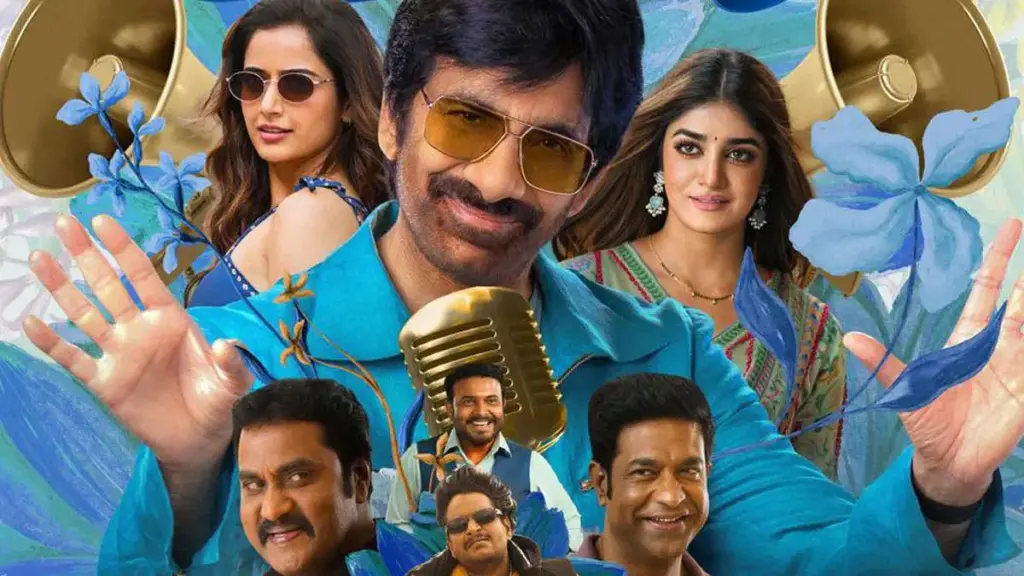
The casting is clearly built around a familiar promise: give Ravi Teja room to riff, then surround him with comedians who can turn a simple scene into a loud one.
Key names and roles include:
- Ravi Teja as Ram Satyanarayana
- Ashika Ranganath as Manasa Shetty
- Dimple Hayathi as Balamani
- Supporting comedians include Sunil, Satya, and Vennela Kishore (all used for steady laugh beats)
Behind the camera, Kishore Tirumala directs, with music by Bheems Ceciroleo, cinematography by Prasad Murella, editing by A Sreekar Prasad, and production by Sudhakar Cherukuri under SLV Cinemas. For quick reference on the publicly listed credits and release info, see the film’s listing and details.

What works best: comedy moments, performances, and the movie’s energy
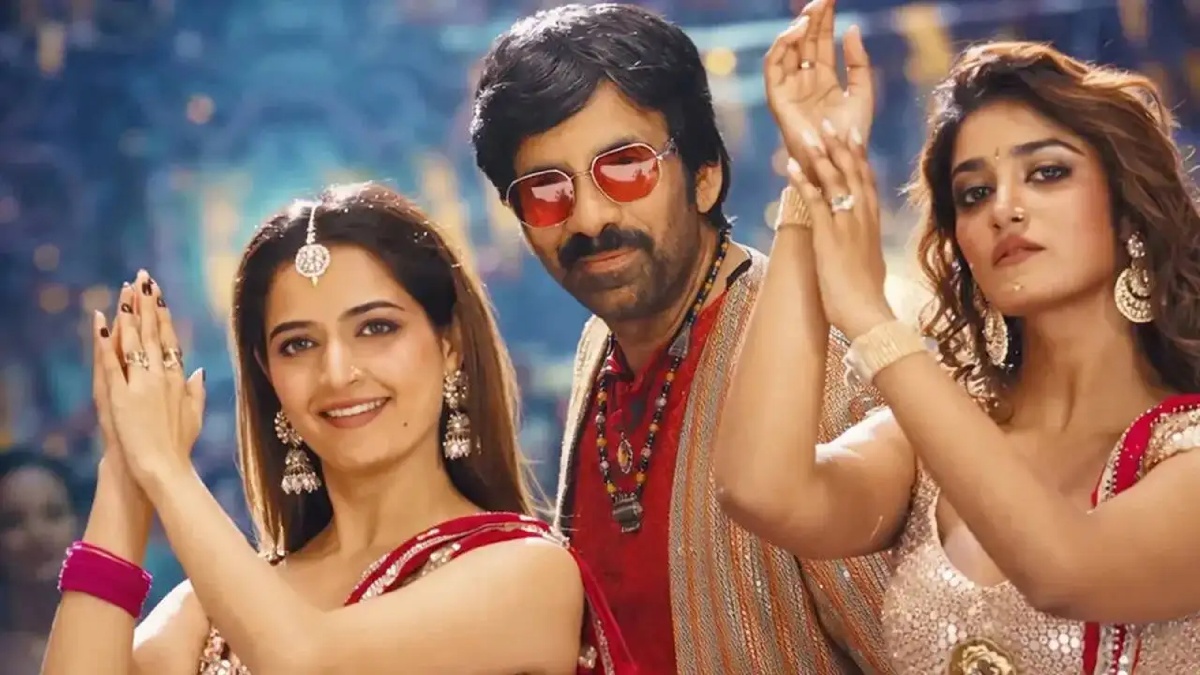
When Bhartha Mahasayulaku Wignyapthi is working, it feels like a comedy built on rhythm. Scenes land when the film lets characters talk over each other, react too quickly, and commit to small lies with big confidence. The humor isn’t subtle, but it often has a street-smart sharpness when the timing is right.
A big strength is the film’s early energy. The first half tends to move like a crowd-pleaser, with short setups, quick payoffs, and a clear focus on making viewers laugh rather than explaining every step. That choice helps the movie in a theater setting, where even a decent joke can get louder if the room is in a festive mood.
The performances are also designed for accessibility. No one is playing it super “real.” Instead, the acting style matches the genre, broad reactions, punchy line delivery, and a constant sense that the next misunderstanding is one sentence away.
Still, it’s not just noise for the sake of noise. Some sequences work because they tap into everyday pressure, the fear of being judged, the need to look respectable in front of strangers, and the chaos of managing multiple relationships at once. It’s like watching someone try to carry five grocery bags, insisting it’s fine, right before one bag splits.
Ravi Teja’s performance and the supporting comedy tracks
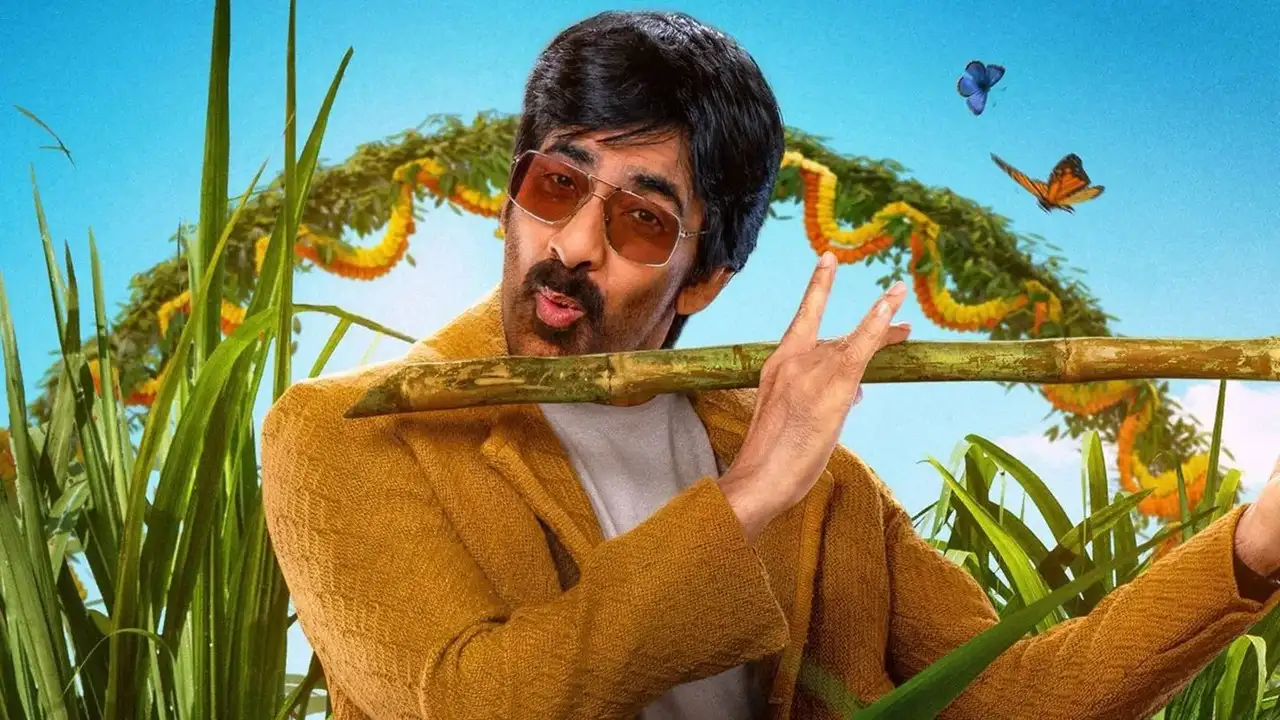
Ravi Teja’s biggest contribution is his comfort in this space. He plays Ram Satyanarayana with a polished, slightly smug ease, which makes it funnier when situations start controlling him. His expressions and timing do a lot of heavy lifting, especially in scenes where the script relies more on reactions than clever writing.
The supporting comedy tracks help keep the film watchable, even when a scene idea feels familiar. Sunil brings that dependable “comic pressure” energy, Satya adds quick-fire nervousness, and Vennela Kishore is used in a way that often squeezes laughs out of simple beats. Several reviews have echoed the same idea: the group effort from the comedians keeps the movie moving during its better stretches.
Importantly, the comedy isn’t only one-liners. Some of the best moments come from group dynamics, people talking past each other, a character over-explaining something that didn’t need explaining, or a sudden shift in tone that makes Ram look cornered.

Songs and standout sequences people talk about
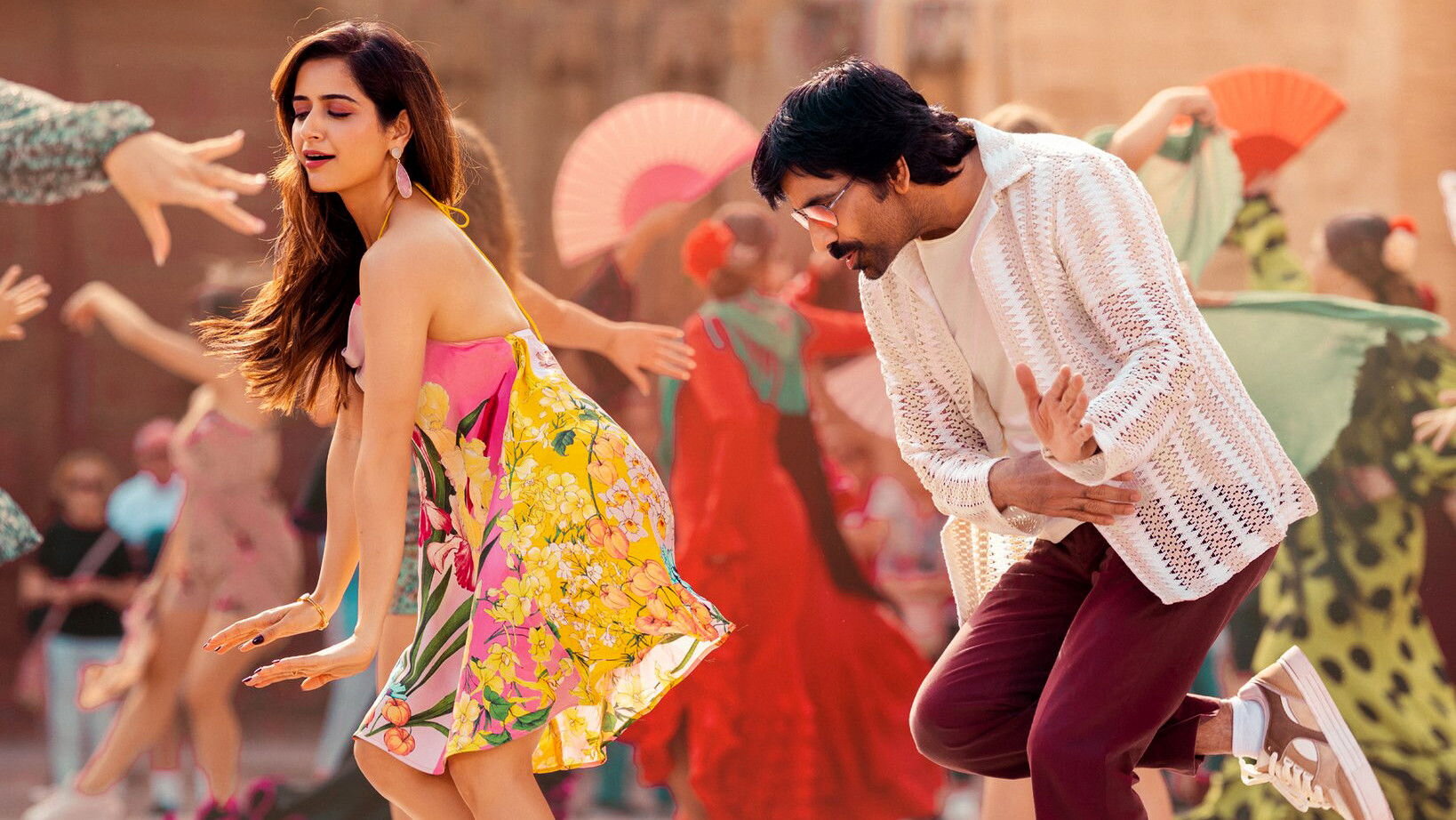
Musically, the movie has at least one standout that audiences keep bringing up: “Bella Bella.” It’s the kind of song that’s built for repeat plays, catchy hook, bright visuals, and a placement that gives the film a quick lift.
A few crowd-friendly sequences are also being mentioned in early reactions, including a mall sequence and a hotel stretch. Without giving away the specifics, these scenes work because they combine public spaces with private panic. They lean into embarrassment comedy, the kind where a character wants to disappear, but the world keeps adding witnesses.
These moments also show what the film does best: build a simple situation, add one extra complication, then add two more before anyone can breathe. When the editing and performances click, the laughter comes easily.
Where it stumbles: writing choices, tone issues, and the second half
Bhartha Mahasayulaku Wignyapthi has been getting mixed reviews, and the reasons are fairly consistent. The movie doesn’t fully maintain the balance it sets up early. It starts as a comedy-first ride, but later scenes sometimes reach for drama or shock-value jokes that don’t feel earned.
The tonal shifts can be jarring. A scene might be playing for laughs, then suddenly it pushes into a more serious beat without enough build-up. That change can make the story feel less smooth, especially for viewers who came in expecting a clean, family-friendly Sankranthi comedy.
There’s also the issue of familiarity. Many plot turns feel like they’ve been seen in earlier commercial comedies: a misunderstanding grows, someone hides the truth, the lie gets bigger, and then the film rushes to wrap it all up. Familiarity isn’t always bad, but it raises the bar on execution. When the jokes land, people don’t care that the path is known. When the jokes don’t land, the known path becomes more obvious.

Outdated or crude jokes and scenes that feel old-fashioned
One of the most repeated criticisms is the use of crude or outdated humor. Some jokes feel designed for an older template of commercial comedy, where embarrassment and innuendo are treated like guaranteed laughs. For a section of the audience, those bits can feel tiring instead of funny.
That matters because the movie is positioned as a holiday family entertainer. Families can still enjoy plenty of it, but viewers sensitive to crude jokes may find certain scenes distracting. In a film that relies on mood, even a few off-putting moments can break the flow.
The film is at its best when it uses situational comedy and character reactions. It’s weaker when it leans on easy gags that don’t add to the story.
Pacing and payoff: stronger first half, weaker finish
Another common point is pacing. The first half generally feels more entertaining, with more consistent laughs and a clearer comic drive. After the interval, the movie begins to lose that tightness, and the scenes can feel longer even when the runtime itself isn’t extreme.
As of January 2026, early audience chatter has pegged the runtime at roughly two hours, but widely confirmed runtime details haven’t been as uniformly published across all sources yet. What’s clearer is the experience: many viewers feel the back half doesn’t match the spark of the front half.
The payoff also appears to be a sticking point. Several reactions describe the climax as rushed or low-impact, more like a quick exit than a satisfying finish. Without spoiling anything, the ending seems designed to close the loop fast, which can leave some viewers wishing the film had taken one more pass at its final stretch.
Final verdict: Should viewers watch Bhartha Mahasayulaku Wignyapthi, and who will enjoy it most
Bhartha Mahasayulaku Wignyapthi is best approached with the right expectation. It’s a festive, comedy-leaning Ravi Teja vehicle that delivers solid laughs early, then becomes more uneven as it goes. For audiences who treat Sankranthi movies like a social outing, snacks, friends, and a few loud laughs, it can still be a decent pick.
Critically, the film’s reception has been mixed, with ratings often landing in the 2.5 to 3 out of 5 range. The Indian Express, for example, has been cited at 3/5 in early coverage, praising the fun cast while calling out crude jokes and a weaker second half. That summary matches the broader pattern: the acting and comic cast help, but the writing doesn’t stay strong throughout.
Some details are still developing as of January 2026. Box office reporting is still early and can vary by source and timing, and major rating aggregates may not offer a stable consensus yet. For a snapshot of early reported collections, The Times of India’s day 2 box office report captures the kind of initial numbers being circulated.
Best fit viewers, and who might skip it
Who will likely enjoy it
- Ravi Teja fans who watch for his comic timing and screen presence
- Viewers who want light comedy more than tight plotting
- Families looking for a festival-week theater outing (with mild caution on the cruder jokes)
Who may not
- Viewers sensitive to crude or outdated humor
- People who want sharp writing and a consistent tone throughout
- Anyone who needs a strong, satisfying climax to feel the ticket was worth it
Conclusion
Bhartha Mahasayulaku Wignyapthi lands its best punches in bursts, powered by Ravi Teja’s energy, a capable comedy bench, and a few standout scenes (plus “Bella Bella” for music lovers). Its downsides are harder to ignore for some viewers: dated jokes, a patchy second half, and an ending that can feel rushed. For a Sankranthi-season watch, it’s a one-time option for people who mainly want laughs and don’t mind familiar beats. After watching, which moment worked best: the mall stretch, the hotel bits, or the song sequences?