
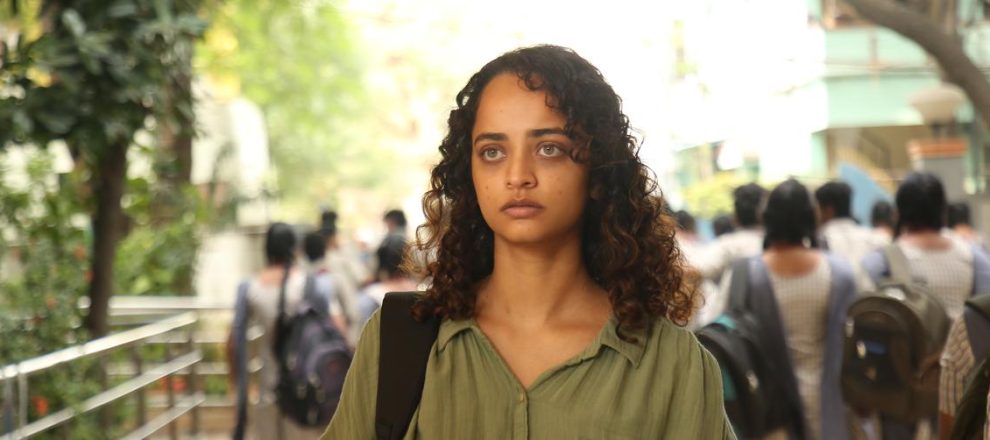
Bad Girl premiered at the International Film Festival Rotterdam in February 2025, winning the NETPAC Award, and later garnered praise at Vancouver. Critically, it’s been hailed as a “feminine, feminist riposte” to male-centric coming-of-age stories (Scroll.in), with The Hindu calling it “immersive and layered from a woman’s perspective.”
However, it’s not without flaws—the second half occasionally feels repetitive, and some thematic elements, like caste undertones, are touched upon but not deeply interrogated. A Telugu review site rated it 2.75/5, noting it “comes with caveats” and may not appeal to everyone seeking conventional entertainment.
Most coming-of-age films focus on boys trying to figure out life. Bad Girl, a Tamil film now dubbed in Telugu, flips that lens. Directed by newcomer Varsha Bharath and produced by names like Vetrimaaran and Anurag Kashyap, the film is a messy, unfiltered, and intimate portrait of a young woman named Ramya.
The Story: Growing Up Is Complicated
This is not a typical hero-versus-villain drama. The movie plays out more like a private diary that you probably were never meant to see.
We follow Ramya, portrayed with real depth by Anjali Sivaraman, through three distinct phases of her life: awkward teenage years, restless college days, and her early 30s.
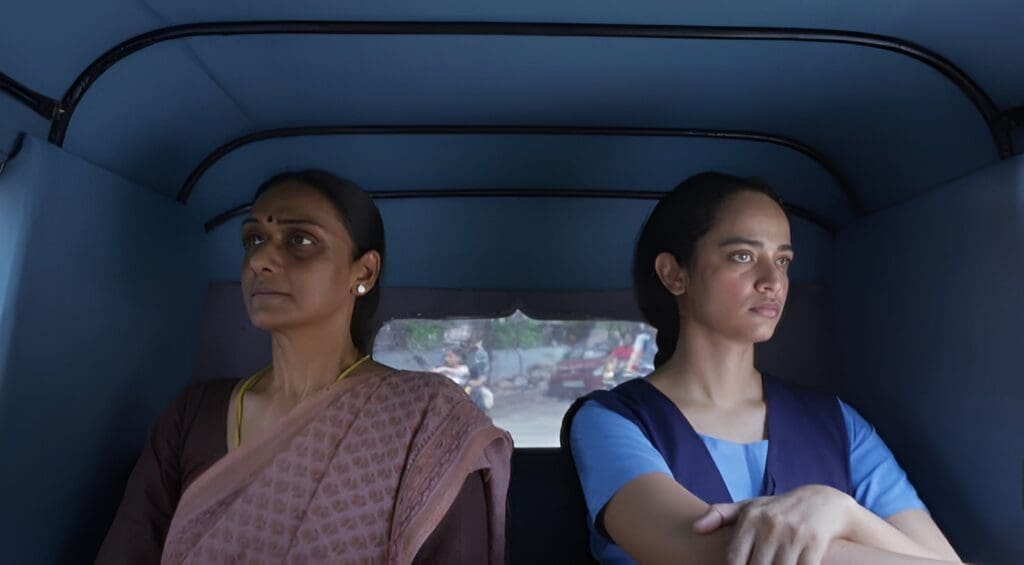
Ramya grew up in a strict, traditional Brahmin family. The atmosphere at home is tense and judgmental. Her mother, Sundari (played by Shanthi Priya), is a schoolteacher who cares far more about society’s opinion than her daughter’s happiness.
Early Love and Harsh Labels
Ramya’s story starts with a simple school crush on Nalan (Hridhu Haroon). Their romance is innocent and dreamy, the kind many teens experience. It all comes crashing down when the adults discover it.
What should have been a small teenage slip turns into a full-blown scandal. From that point, Ramya is branded a “bad girl” just for having feelings. That label sticks to her as she grows older. We then see her deal with possessive boyfriends, repeated heartbreak, and constant pressure to marry while her friends tick off all the boxes of “settled” life.
A Flawed Heroine Who Feels Real
One of the strongest parts of Bad Girl is its lead character. Ramya is not written as a martyr or a flawless role model. She is messy and human.
She can be rude to her mother, cling to unhealthy relationships, and make choices that look wrong from the outside. Some viewers might feel annoyed with her, and that reaction is intentional.
The film is less about right or wrong and more about how a young woman fights for her identity when everyone else thinks they know what is best for her. She is not trying to rebel just to shock people. She only wants room to breathe in a life that keeps closing in on her.
Performances and Direction
Anjali Sivaraman as Ramya
Anjali Sivaraman is the emotional core of the film. She shifts her body language, tone, and expressions so smoothly that you believe her at every age.
As a 15-year-old, she feels dreamy and hopeful. In her college years, she is restless and impulsive. By her 30s, you see the weight of past choices on her face. She brings out Ramya’s loneliness, anger, and brief sparks of joy in a way that feels honest, not forced.

Varsha Bharath’s Direction
For a first feature, Varsha Bharath shows strong control over tone and mood. She avoids loud drama and big emotional speeches. Instead, she builds the story through small, quiet details.
A silent glance between mother and daughter, Ramya staring at a stray cat, or a pause in a conversation says more than a long monologue. These little choices make the film feel lived-in and personal.
The music by Amit Trivedi supports that style. The soundtrack has a fresh, modern feel that fits the urban setting and Ramya’s internal world. The songs and background score guide your emotions without screaming for attention.
Technical Strengths
Cinematography and Visual Style
The visuals are one of the film’s quiet strengths. The cinematography uses color and light to mirror Ramya’s journey.
- Her school days are shot in warm, golden frames, like hazy memories of a simpler time.
- Her college phase looks sharper, busier, and more chaotic, reflecting confusion and restlessness.
- Her adult years feel more grounded and practical, with visuals that look closer to real life.
This careful shift in style helps you feel the passage of time without the film spelling it out.
Editing and Structure
The editing, interestingly, plays with memory. At times, the film cuts quickly between scenes, almost like thoughts jumping in Ramya’s head. These fast cuts give you a sense of how certain moments stay stuck, replaying in her mind.
The structure is not fully linear all the time, but it never gets confusing. Instead, it feels like how people remember their own life, in bits and pieces.
What Works Well
- Honest urban female experience:
The film captures what many young women in Indian cities go through, from moral policing at home to judgment from society. It feels more grounded than many glossy, big-budget dramas. - Mother-daughter relationship:
The bond between Ramya and Sundari is both painful and recognizable. There is love, control, fear, and misunderstanding, all mixed. Their scenes often hurt to watch because they feel so true. - Music that adds emotion:
The soundtrack does more than just play in the background. The songs and score deepen key scenes and help you understand what Ramya is feeling.
What Might Not Work For Everyone
- Slow pacing:
Bad Girl takes its time. If you prefer punchy, fast-moving stories or thrillers with constant twists, this one might feel slow or heavy. - No clean, happy ending:
The film avoids easy answers. There is no grand moment where everything falls into place. The ending is more open and realistic, which might leave some viewers a bit unsatisfied if they want full closure.
Final Verdict
Bad Girl is not a mass entertainer. It is a focused, character-driven film for people who like stories about messy, real people more than big plot turns.
The movie is bold and unapologetic. It raises tough questions about how society treats young women, especially those who dare to make their own choices.
If you enjoy coming-of-age dramas like Lady Bird or Girls Will Be Girls, this film will likely speak to you. It reminds us that a “bad girl” is often just a girl who refuses to give up on herself or shrink to fit other people’s expectations.
iBomma Rating: 3.5/5
Trending:
Chiranjeeva Movie Review: A Fun Fantasy Ride with Raj Tarun