

Some movies fade after the opening weekend. Baahubali: The Beginning keeps getting searched because it does the opposite, it grows in your head. The scale is huge, the emotions are loud, and the ending is the kind of cliffhanger that makes people text their friends at midnight.
This is a spoiler-light review of the 2015 epic action film directed by S.S. Rajamouli. It covers the story setup, performances, visuals, music, and who it’s best for, without giving away the big turns. Expect mythic drama, larger-than-life heroes, and action that plays like a moving mural.
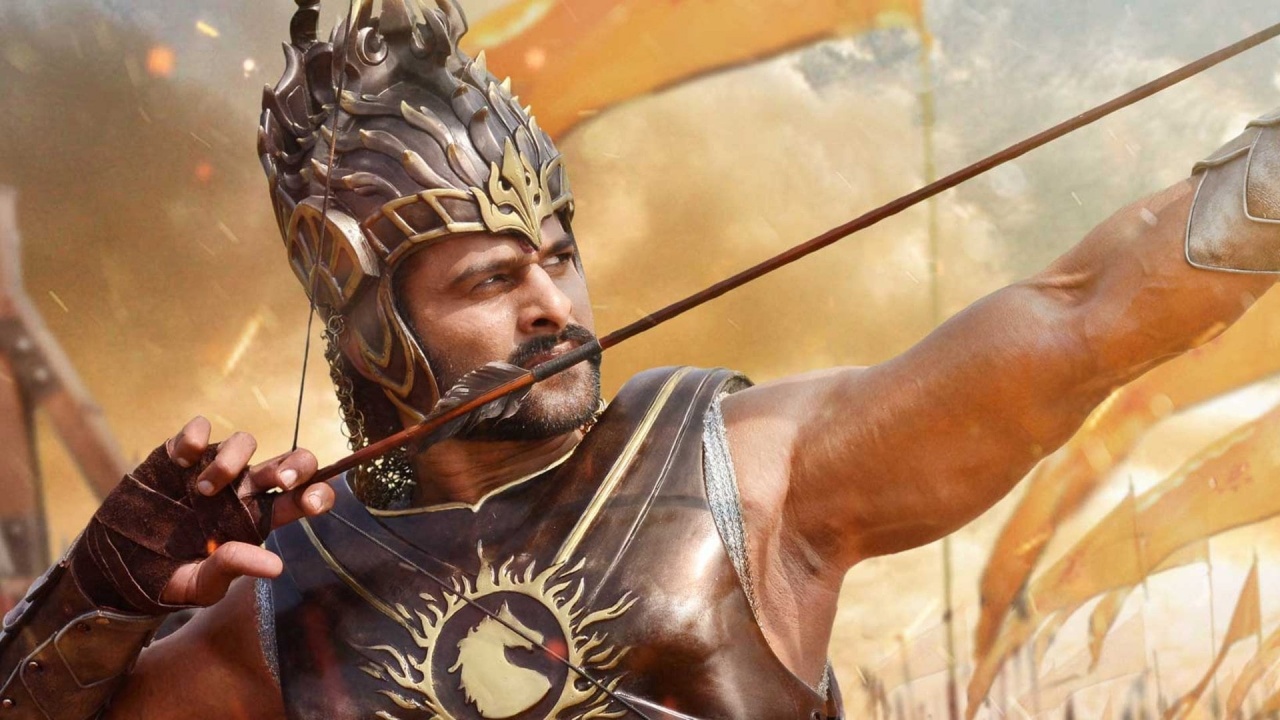

Baahubali: The Beginning in 60 seconds (quick facts and what it’s about)
Release date: July 10, 2015
Director: S.S. Rajamouli
Main cast: Prabhas, Rana Daggubati, Anushka Shetty, Tamannaah Bhatia, Ramya Krishnan, Sathyaraj
Runtime: about 2 hours 39 minutes (some streaming versions can vary)
For reference, here’s the film’s listing on IMDb.
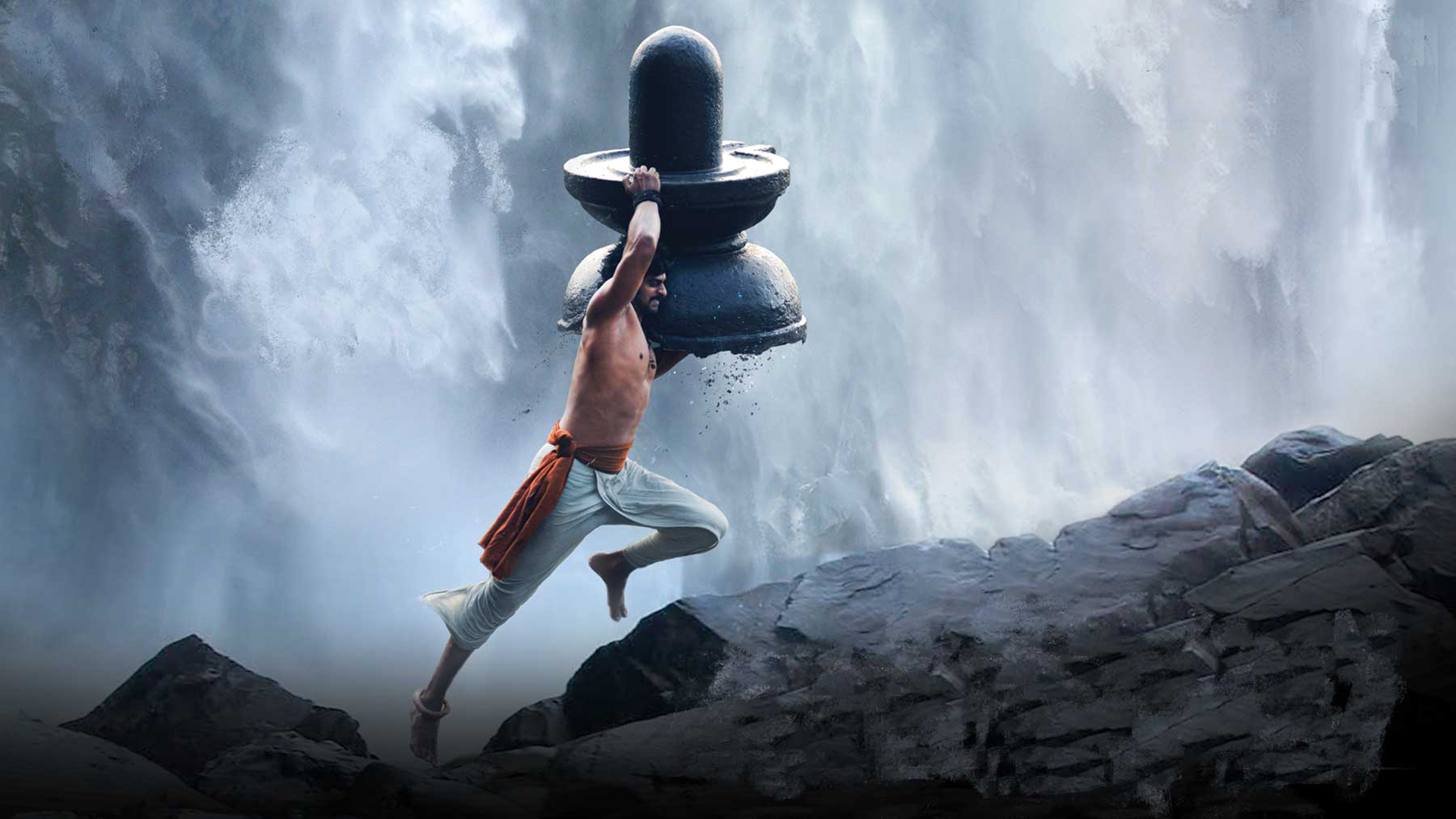
The movie opens with a simple, almost storybook rhythm. A young man named Sivudu grows up near a massive waterfall, in a small community that feels cut off from history. He’s brave, curious, and restless, like someone trying to remember a dream he hasn’t had yet.
Then the wider world pulls him in. A powerful kingdom, a long-running conflict, and a woman on a mission begin to connect Sivudu to a much bigger destiny. The first half plays like an origin story, and by the time the royal politics kick in, the movie is aiming straight at legend.

Cast and characters to know before you watch
Keeping it clean and simple, these are the names worth remembering:
- Sivudu (Prabhas): the adventurous hero raised far from the center of power.
- Bhallaladeva (Rana Daggubati): the main antagonist, built like a war machine with a temper to match.
- Devasena (Anushka Shetty): a key figure tied to the kingdom’s conflict, strong-willed and central to the stakes.
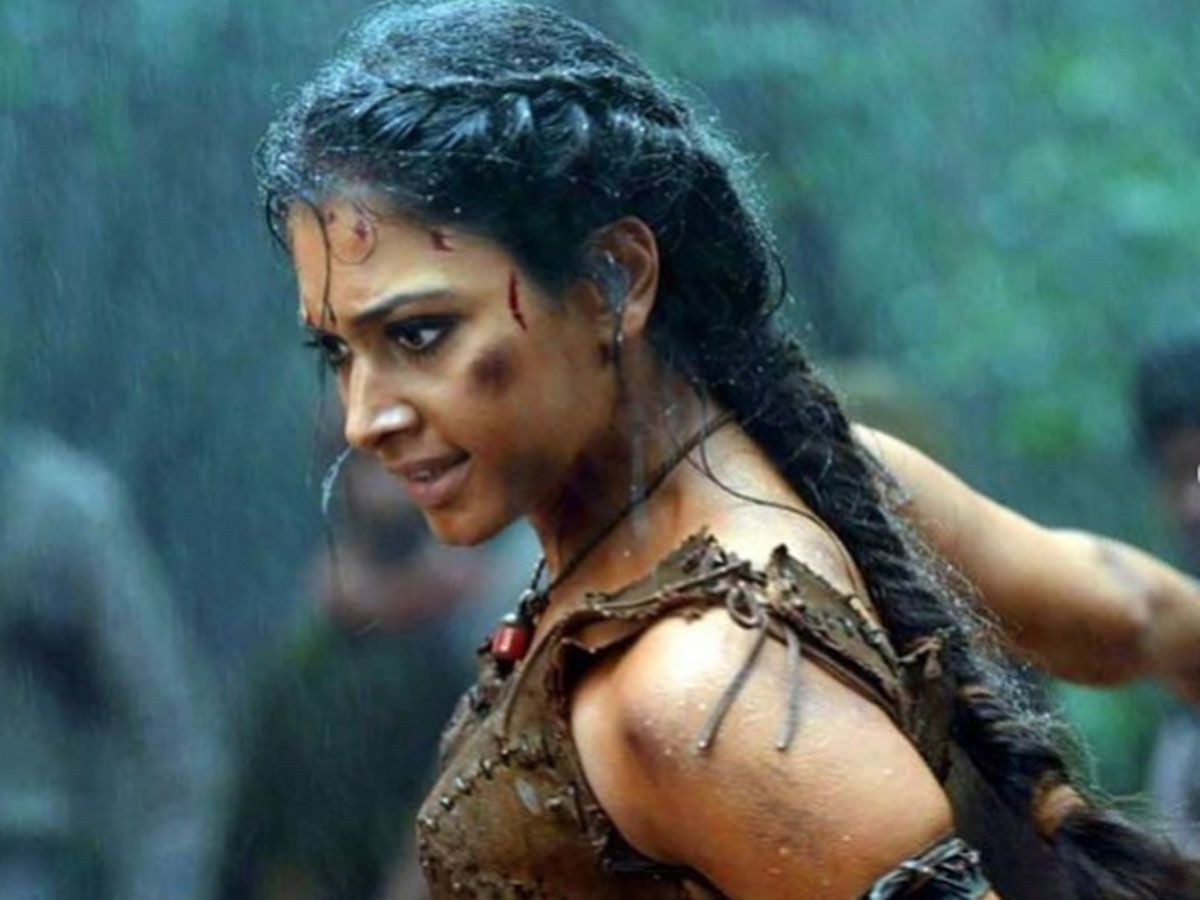
- Avanthika (Tamannaah Bhatia): a warrior ally with a clear mission and a fierce sense of duty.
- Sivagami (Ramya Krishnan): a royal mother figure whose decisions shape the kingdom.
- Kattappa (Sathyaraj): the loyal commander, disciplined, respected, and emotionally complicated.
If you like knowing “who’s who” before a big epic, this lineup helps the story click faster.
Spoiler-free review: what works (and what doesn’t)
Baahubali: The Beginning is designed to feel like a myth told with modern tools. It’s bold, sometimes messy, often beautiful, and fully committed to its own seriousness. When it hits, it hits hard.
At the same time, it’s not subtle. If you prefer quiet drama and naturalistic action, this style may feel like too much.
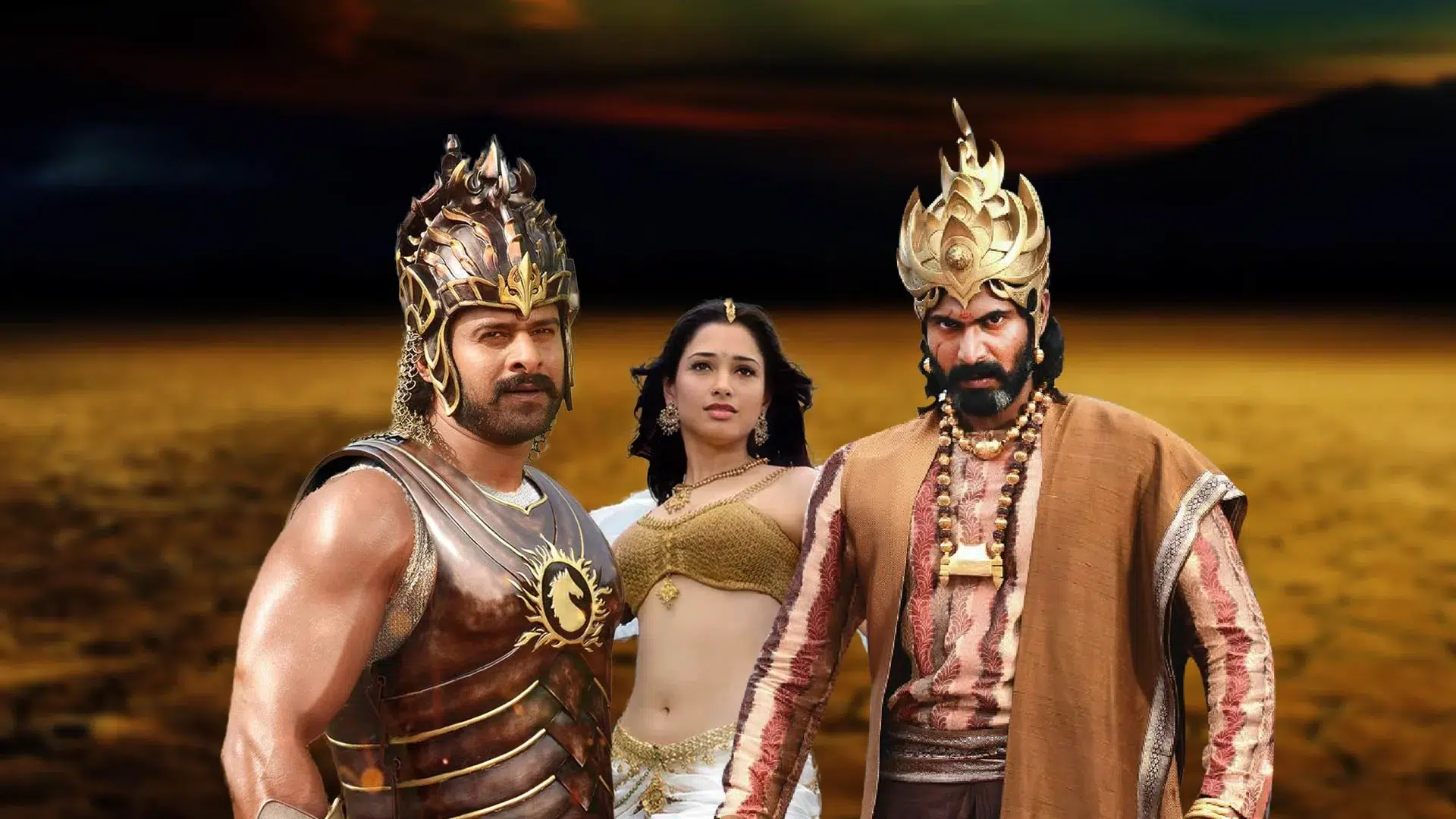

The story and pacing: a strong build to a famous ending
The movie starts small and personal, then expands like a map being unrolled. First you get curiosity and romance, then loyalty and rebellion, then the heavy machinery of royal conflict.
That “expanding” structure is why the pacing works for many viewers. You’re not dropped into complex politics right away. You earn your way there.
The trade-off is that some middle sections run long, and the movie loves slow-motion poses. A few beats feel familiar if you’ve watched a lot of hero stories. Still, the storytelling is clear, and the film’s goal is obvious: this is Part 1, built to lead you to a bigger payoff later. The ending is famous for a reason, it lands like a door slamming.
Performances that carry the drama (Prabhas, Rana, and the supporting cast)
Prabhas brings a clean, open energy to Sivudu. He makes the early “outsider” chapters fun, and he sells the shift into something more serious without losing warmth.
Rana Daggubati plays Bhallaladeva with force and focus. He doesn’t need many tricks, his presence does the work. When he’s on screen, the air feels tighter.
The supporting cast is a major reason this movie still works in 2026. Ramya Krishnan’s Sivagami has authority in her voice and stillness in her posture. Sathyaraj’s Kattappa feels like a man carrying a rulebook in one hand and a wound in the other. Anushka Shetty gives Devasena a grounded strength, and Tamannaah’s Avanthika adds drive when the plot needs momentum.
The acting isn’t naturalistic, but it’s consistent with the film’s tone. Think of it like stage drama scaled up to a mountain.
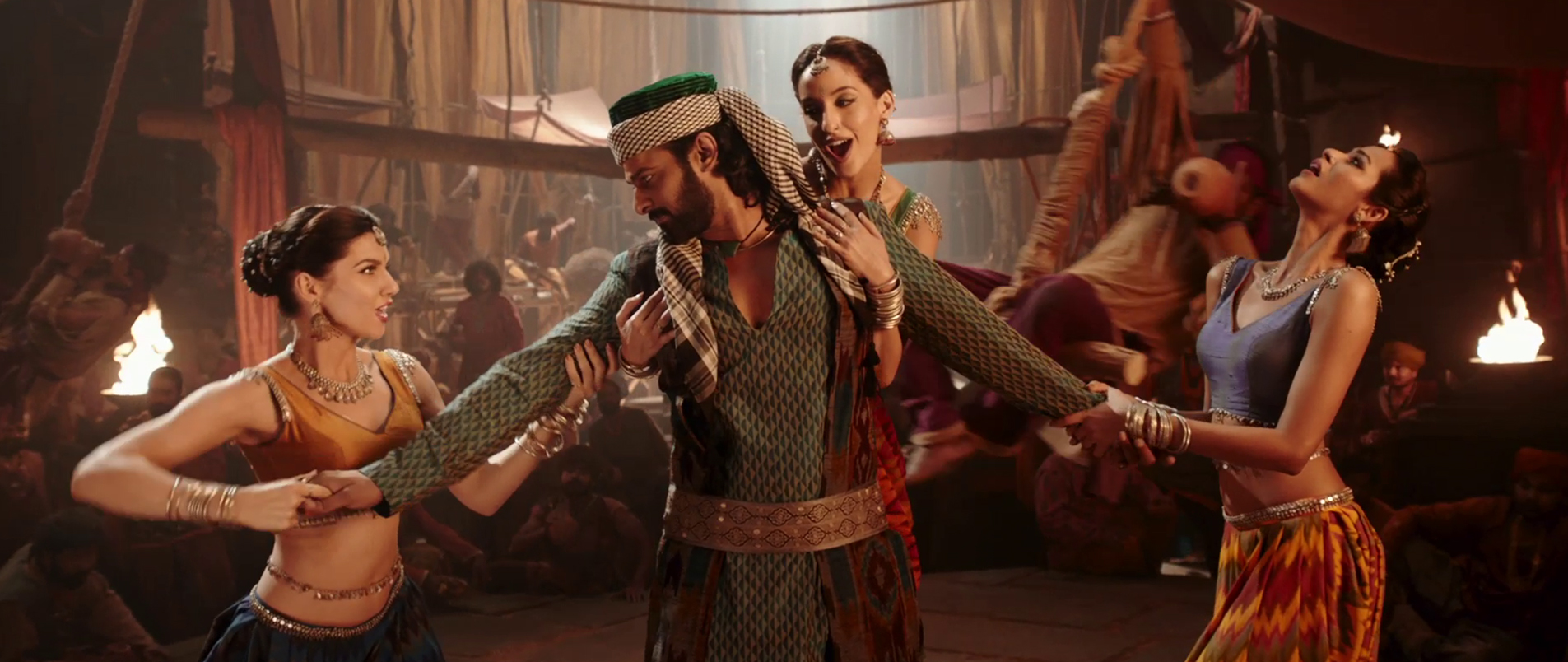

Action, visuals, and scale: why the battles still stand out
The action set pieces are the movie’s calling card. Fights are staged like big, readable pictures. You can tell who’s winning, who’s trapped, and what each move is trying to prove.
The scale is also the point. Palaces look carved out of myth. Crowds move like armies from an illustrated history book. When the film goes large, it goes all in.
Some visual effects look dated now, especially in a few wide shots, but the ambition is still impressive. The movie’s effects work earned major recognition, including a National Film Award for special effects (often discussed as visual effects). Coverage of its National Awards wins has been widely reported, including by Business Standard.
The bigger achievement is how the film uses spectacle to support story. The battles usually connect to character pride, fear, or loyalty, not just noise.
Music and sound: M.M. Keeravani’s score and the movie’s energy
M.M. Keeravani’s music is the movie’s heartbeat. The background score tells you how to feel before the scene even finishes turning the corner.
When the film wants awe, the music opens up like a temple hall. When it wants tension, the drums tighten the rope. Even if you don’t remember the song names, you’ll remember the emotional push.
In a movie this big, silence can feel empty. The score fills that space and keeps the momentum alive, especially during grand reveals and action buildups.

Is Baahubali: The Beginning worth watching in 2026?
Yes, if you want a big-screen-style epic at home. In January 2026, it’s also easy to find on major services. Streaming availability changes often, so it’s smart to check a tracker like JustWatch’s Baahubali: The Beginning page for the most current options.
Culturally, the movie still matters because it helped normalize the idea of a “pan-Indian” blockbuster, a film that could travel across languages and regions as one event. Even if you’ve watched newer Indian epics since then, Baahubali is still a reference point people compare them to.
Who will love it, and who might not
Great fit if you like:
- Epic fantasy vibes with kings, warriors, and big ideals
- Huge battles and clear hero vs villain conflict
- Mythic storytelling and dramatic twists
Maybe skip if you dislike:
- Long runtimes and setup-heavy first halves
- Loud action and heightened emotion
- Slow-motion-heavy presentation
Tips for first-time viewers (language, subtitles, and what to expect)
Pick the language track you’re most comfortable with, and use subtitles if needed. This story moves fast once the kingdom conflict takes over, and subtitles help you catch names and loyalties.
If you can, watch with good sound. The score and battle audio do a lot of work.
Also, go in knowing the truth the title hints at: it’s the beginning. The ending is meant to push you straight into the sequel.
Conclusion
Baahubali: The Beginning is still worth your time in 2026 because it delivers scale, emotion, and standout performances with a clear, mythic style. The biggest drawback is that it’s built as a setup, so you won’t get full closure here. Watch it when you want an epic adventure, then roll right into the sequel if you want answers.