


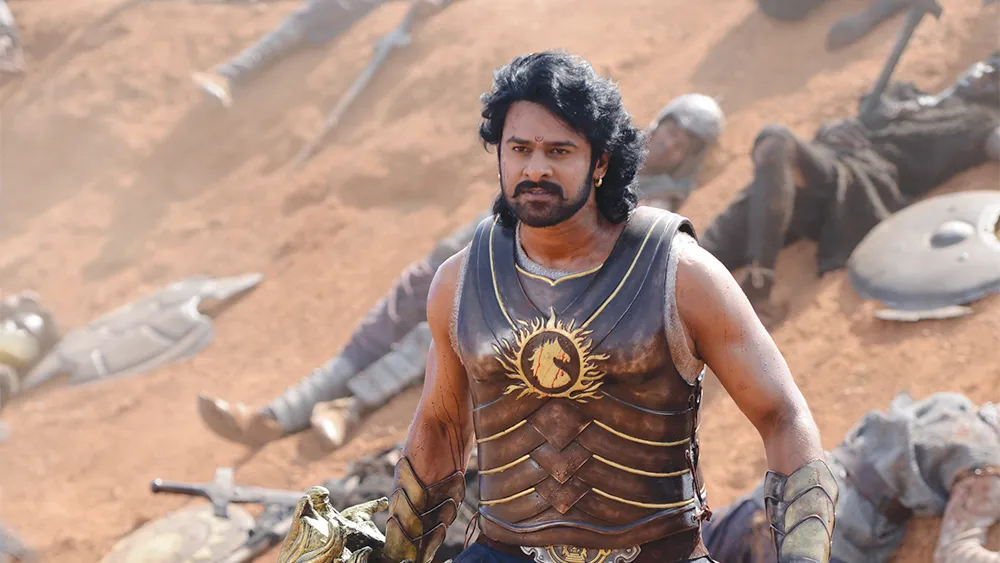
“Baahubali: The Epic” is a 2025 Indian Telugu-language epic action film directed by S.S. Rajamouli, marking the 10th anniversary of the original Baahubali franchise. This is a re-edited, single-film version that condenses the two-part saga—Baahubali: The Beginning (2015) and Baahubali 2: The Conclusion (2017)—into one immersive narrative. Rajamouli personally oversaw the editing, incorporating remastered visuals, enhanced Dolby Atmos sound, and a previously unreleased scene for a fresh big-screen experience.
Ten years have passed since audiences first heard the name “Baahubali” and watched Indian cinema change overnight. To mark the 10th anniversary, S. S. Rajamouli returns with Baahubali: The Epic (2025), a new single-cut version of the saga. This isn’t a sequel or a minor re-release. It combines Baahubali: The Beginning and Baahubali: The Conclusion into one continuous, remastered theatrical experience that runs close to four hours.
Baahubali Cast and Crew
- Director: S.S. Rajamouli (co-writer with V. Vijayendra Prasad)
- Producers: Shobu Yarlagadda and Prasad Devineni (Arka Media Works)
- Key Cast:
- Prabhas as Amarendra Baahubali / Mahendra Baahubali / Shivudu
- Rana Daggubati as Bhallaladeva
- Anushka Shetty as Devasena
- Tamannaah Bhatia as Avantika
- Ramya Krishna as Sivagami
- Supporting roles: Sathyaraj (Kattappa), Nassar, Subbaraju, Adivi Sesh
Music by M.M. Keeravani remains a highlight, with the score amplifying the film’s emotional and battle sequences.

Baahubali Story Flow: No Cliffhanger, Stronger Momentum
The biggest change in Baahubali: The Epic is its structure. Rajamouli has always had sharp control over pacing, and the original two films used that legendary cliffhanger, “Why did Kattappa kill Baahubali?”, to turn a story beat into a cultural event. In this version, that break is gone. The two films are stitched together into one long narrative, and that choice completely changes how the story feels.
The first hour now plays like a classic epic. It spends time on the politics and family dynamics of Mahishmati. We see Sivagami, Bijjaladeva, and the rivalry between Amarendra and Bhallaladeva take shape before Mahendra Baahubali (Sivudu) even steps into focus.
What really stands out is how natural the shift to the flashback feels now. In the old version, the jump to Amarendra’s past was a clear structural move. Here, it feels less like a flashback and more like the true spine of the film. Amarendra’s rise, love, fall, and murder become the emotional centre, and Mahendra’s journey grows out of that without feeling like a separate track.
The story no longer feels split in two. Instead, it becomes one long sweep of betrayal, sacrifice, and revenge. Without the two-year gap that audiences once had between films, the sadness of Amarendra’s death and the fury that follows sit right next to each other. The theme of duty turning into tragedy lands harder because the characters never leave your mind.
For a film that runs 224 minutes, the pace is surprisingly tight. Once the emotional stakes are set, they never really let up. The result is a big, loud, dramatic experience that keeps building until the final battle.
Visuals & Sound: A Stunning Remaster
If you need an excuse to book IMAX or Dolby Cinema time in 2025, Baahubali: The Epic is a strong contender. The remaster alone makes a fresh viewing worth the effort, especially on the biggest screen you can find.
K. K. Senthil Kumar’s cinematography already looked grand in the original releases. In this new version, the image quality gets a major lift. The HDR grading adds richer blacks, brighter highlights, and more depth to the colours. The waterfall climb, the sparkling greens and golds of Kunthala, and the huge war set-pieces all gain extra detail and clarity. Mahishmati feels sharper and more physical than before, without losing the larger-than-life style that made it famous.
The standout upgrade, though, is M. M. Keeravani’s score. The new Dolby Atmos mix gives the music and sound design real presence. It spreads across the theatre, and at times it feels like the sound moves with the action.
Battle drums hit heavy, especially in Kattappa’s combat scenes. The swelling strings in “Dhivara” fill the hall. Quiet emotional motifs sit clearly in the mix without getting lost under effects. The war chants, clashing steel, and roaring crowds surround you and pull you deeper into the world.
For long-time fans, hearing those familiar themes in this cleaner, more powerful mix feels like seeing an old painting properly restored. You recognise everything, but it all feels fresher and more precise.
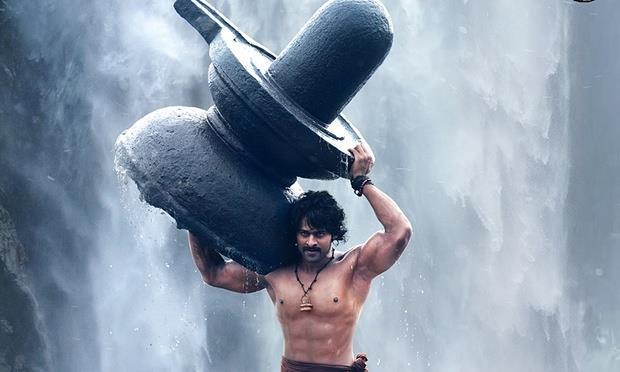

Performances: Why This Story Still Works
The cast is one of the main reasons Baahubali still holds such power, and watching every major arc unfold in a single sitting only strengthens that impact.
Prabhas carries the film in both his roles. As Amarendra Baahubali, he balances charm, warmth, and authority. He feels like a leader people would follow without question. The fall of such a figure hurts more when you see his full journey in one go. When the focus then shifts to Mahendra, the anger and raw energy feel like a direct answer to the calm strength of Amarendra. The contrast helps show Prabhas’s range in a way that the gap between films is once softened.
Ramya Krishnan as Sivagami remains the emotional centre of the story. Her presence is fierce and commanding from the start. In this version, the way her decisions snowball into disaster hits much harder, because her rise and downfall play out without a long pause in between. You watch her move from a powerful, almost untouchable ruler to a mother crushed by the result of her own judgment, and it flows like a complete tragedy.
Rana Daggubati’s Bhallaladeva is still a terrific villain. His jealousy, insecurity, and hunger for power are clear in every scene. The single-cut format helps underline how long he schemes and how much damage he causes. By the time he faces Mahendra in the final battle, the payoff feels bigger because the story has walked you straight from childhood rivalry to full-blown war.
The supporting cast, from Sathyaraj as Kattappa to Nassar as Bijjaladeva and Anushka Shetty as Devasena, also benefits from the new structure. Their arcs feel smoother, and the emotional connections between characters sit closer together in your memory.
Is This the Best Way to Watch Baahubali?
Baahubali: The Epic (2025) is more than a simple re-release. It plays like a final, polished version of the story. By cutting out the gap between the two original films, Rajamouli delivers a single, huge action-drama that stands comfortably beside the great epics of global cinema.
Every set-piece, from the early mountain climb to the war scenes and palace intrigue, feels like part of a single, rising wave. The technical upgrades make it easier than ever to get lost in the film’s scale, and the structure gives the emotional beats more weight.
For new viewers, this is probably the best way to enter the Baahubali universe. You get the full story in one go, with the strongest picture and sound currently available, and without waiting or splitting the experience across two nights.
For long-time fans, this cut feels like a homecoming. You return to Mahishmati with better visuals, richer audio, and a smoother story flow. It also serves as a clear reminder of why Rajamouli is held in such high regard, especially as audiences wait for his next big project.
Baahubali: The Epic is not just a film you put on in the background. It is a full-scale event again.
iBomma Rating: 4.5 / 5 stars – A grand, worthy return to a modern classic.