
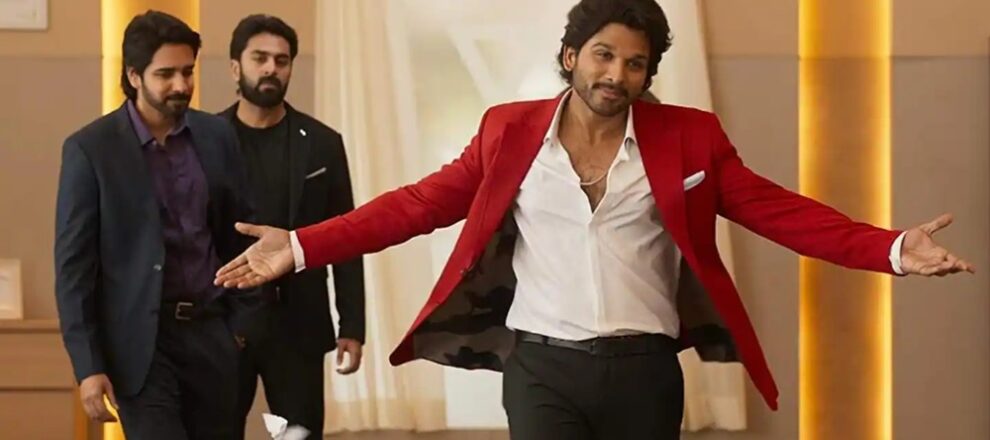
Commercial Indian cinema often comes with big action, loud songs, and larger-than-life heroes. Ala Vaikunthapurramuloo (2020) delivers all of that, but it also brings something many mainstream hits miss: real heart. Directed by Trivikram Srinivas and led by Allu Arjun, this Telugu blockbuster feels polished, fun, and emotional at the same time. It’s the kind of masala entertainer that still feels grounded.
The Story: Two Homes, One Switch
The plot leans on a familiar setup, a baby swap that changes two lives. The film opens 25 years in the past. Valmiki (Murali Sharma), bitter and jealous, switches his newborn with the infant son of his rich boss, Ramachandra (Jayaram).
His reason is harsh and simple. He wants his own child to grow up in comfort, while the real heir is raised in Valmiki’s middle-class home, where he faces constant put-downs.
That child is Bantu (Allu Arjun). He grows up smart and capable, but never feels accepted by the man who raised him. Valmiki keeps him under control and rarely shows affection. Meanwhile, Raj (Sushanth), raised in luxury, lacks the confidence to carry the family name. As Bantu learns the truth, he steps into the wealthy household quietly, solving problems and repairing relationships he was always meant to have.
Allu Arjun: Style, Skill, and Strong Emotion
Allu Arjun is a huge reason this movie works. Fans call him the “Stylish Star,” and the title fits, but this role also shows his range.
Bantu has to feel street-smart and sharp, someone who can handle a fight and still look natural in a high-end office. Allu Arjun makes it look easy. He owns every moment, whether he’s rolling up his sleeves before a showdown or hitting that now-famous leg-twirl step.
What stands out most is the emotion. In scenes with Valmiki, he shows real hurt without overplaying it. That honesty keeps the audience on Bantu’s side from start to finish.
The Real Antagonist: A Man Driven by Resentment
The central conflict isn’t built around a typical action-movie villain, even though the film includes one for the fight scenes. The real problem is Valmiki.
Murali Sharma plays him as a man eaten up by insecurity. He doesn’t dislike Bantu for no reason; he hates what Bantu represents. Bantu’s strength and potential remind him of everything he never became. That makes the family drama hit harder. Each time Valmiki tries to shrink Bantu, the unfairness lands.
Music by S. Thaman: The Film’s Pulse
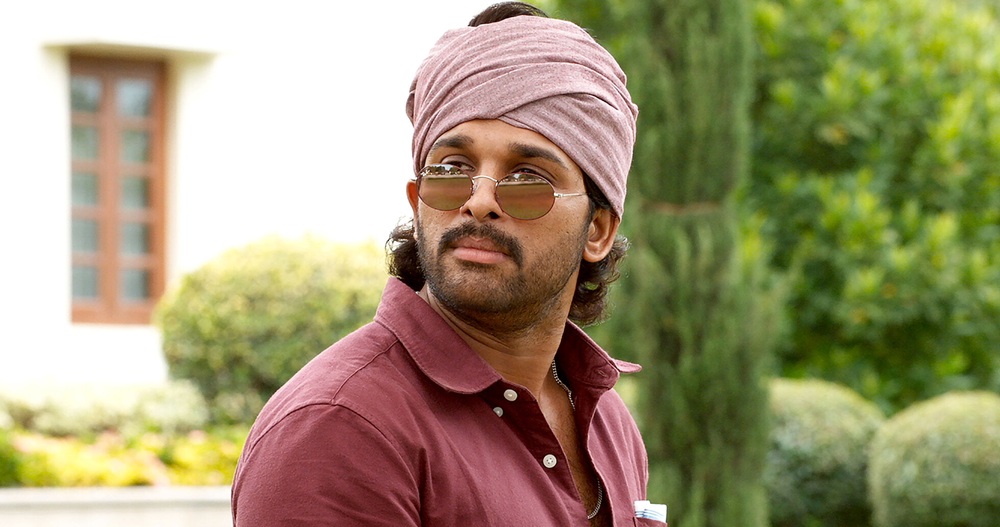
The soundtrack is a major reason Ala Vaikunthapurramuloo became so popular beyond Telugu audiences. S. Thaman’s songs don’t just sit between scenes; they push the movie forward.
Tracks like “Butta Bomma” and “Ramuloo Ramulaa” became viral around the world, not just in India. The album also supports the story’s softer beats.
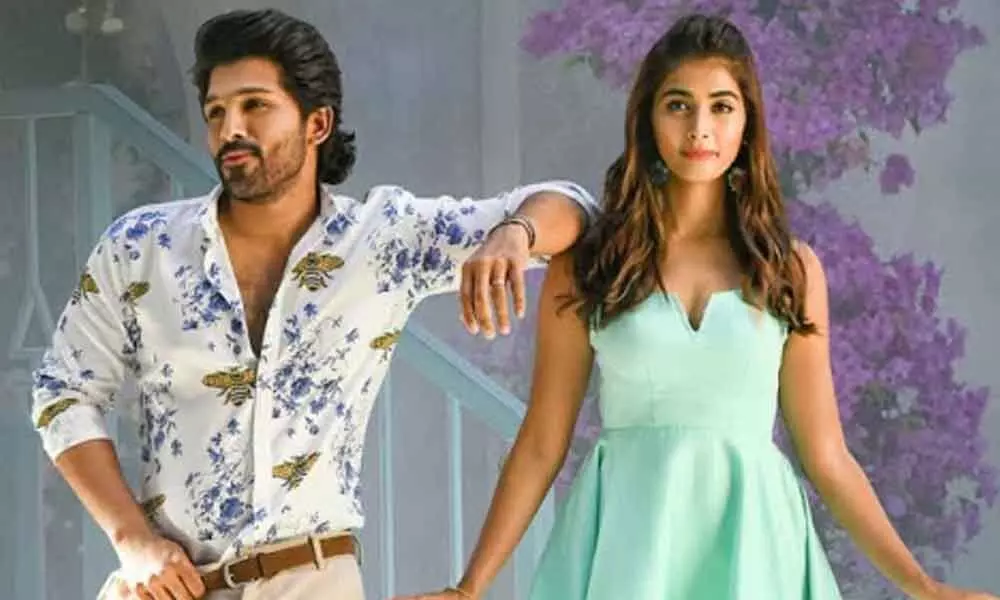
- “Samajavaragamana”: A smooth, romantic song that supports the growing bond between Bantu and Amulya (Pooja Hegde).
- “Butta Bomma”: Bright, catchy, and built for repeat listens, with dance moves that turned into a trend.
The background score also does a lot of work, shifting cleanly from family tension to celebratory moments.
Direction and Visuals: Trivikram’s Signature Style
Trivikram Srinivas is known for sharp dialogue, and the writing shines here. The storyline may sound familiar on paper, but the film stays fresh through humor, emotional beats, and comments on family and class that feel easy to follow.
The cinematography is vibrant and glossy. The Vaikunthapurramuloo mansion is shot with scale and detail, so it feels like part of the story, not just a backdrop. The action scenes follow the same style. Instead of gritty fights, the choreography is clean and rhythmic, more like a performance than chaos.
Key Details at a Glance
| Feature | Details |
|---|---|
| Director | Trivikram Srinivas |
| Lead Actor | Allu Arjun (as Bantu) |
| Lead Actress | Pooja Hegde (as Amulya) |
| Music Director | S. Thaman |
| Genre | Action / Family Drama / Comedy |
| Release Year | 2020 |
| Language | Telugu (Available with subtitles/dubbed) |
Supporting Cast: Strong Performances Across the Board
This film doesn’t rely on just one star. The supporting cast adds weight and warmth.
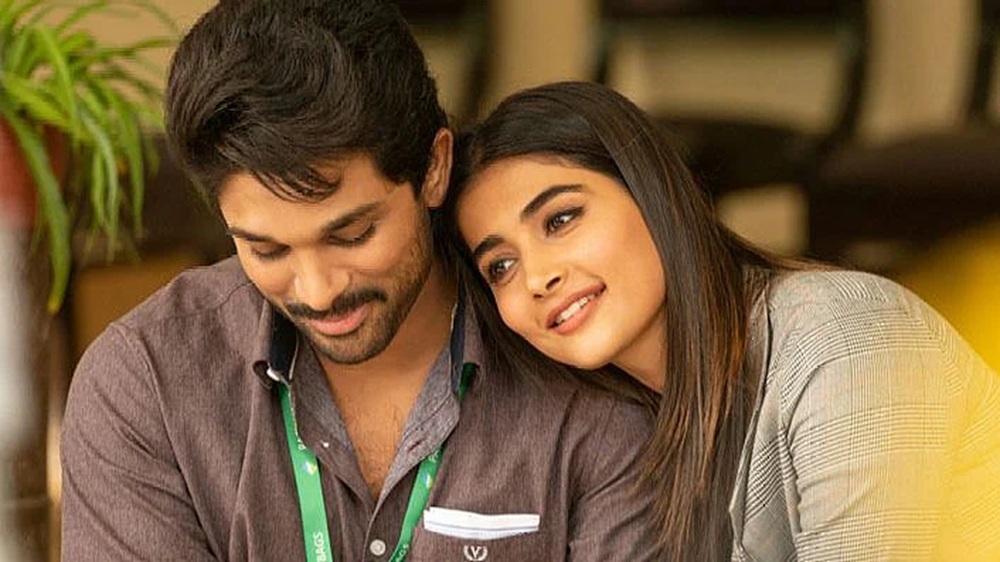
- Pooja Hegde plays Amulya, Bantu’s boss and love interest. The romance stays light, and her chemistry with Allu Arjun keeps those scenes breezy and fun.
- Tabu brings calm strength as the key mother figure in the wealthy family. Her role adds dignity and helps the emotional finale land.
- Jayaram plays Ramachandra as a man who has wealth and status but struggles to hold his family together.
Why It Works: Mixing “Class” and “Mass” the Right Way
In Indian cinema, “mass” means big entertainment, and “class” points to strong emotions and thoughtful storytelling. Ala Vaikunthapurramuloo blends both without feeling messy.
It touches on themes that feel relatable:
- Nature vs. nurture: Your birth doesn’t define your character; your choices do.
- A child’s need for approval: Bantu’s biggest wound isn’t money, it’s being unwanted at home.
- Social status: The film shows how quickly people judge you by your address and your lifestyle.
Because the movie keeps things funny and energetic, it never turns heavy. It’s easy to watch with family, and different age groups will take away different things.
Final Verdict: A Modern Favorite
Ala Vaikunthapurramuloo is more than a standard Telugu commercial film. It celebrates its hero without making him perfect, and it treats its villain as human, not a cartoon. At its core, it’s about belonging, respect, and finding the place where you’re treated with love.
For anyone new to Tollywood, this is a great starting point. It offers hit songs, stylish visuals, and one of Allu Arjun’s most memorable performances.
iBomma Rating: 4.5 / 5