


Aan Paavam Pollathathu When Little Fights Shake A Marriage
Modern marriages often crack not because of one big mistake, but many small ones. Aan Paavam Pollathathu (2025) taps straight into that fear. Directed by Kalaiarasan Thangavel and led by Rio Raj and Malavika Manoj, this Tamil romantic comedy drama follows a young couple whose sweet start slowly slips into a tense divorce case.
The film mixes humour and emotion, keeps the setting simple, and places today’s middle-class marriage problems at the centre. This review walks through the story and themes, the performances, what works, what does not, and whether it is worth a trip to the theatre or a relaxed OTT watch at home.

Story And Themes: How Small Fights Turn Into Big Problems
Shiva is an IT professional in Chennai, and Sakthi is a smart, outspoken wife from Coimbatore. Their arranged marriage begins with warmth and playful banter. For a while, it feels like a typical young couple love story, full of selfies, late-night chats, and mild teasing.
Over nearly 400 days, tiny irritations start to pile up. Social media habits, phone use at the dinner table, division of housework, time spent with friends, and different ideas about money all become points of friction. What begins as light teasing starts to sound like sarcasm. Apologies come slower, and both keep score.
The film tracks four key incidents that push them closer to separation. Domestic scenes slowly give way to court scenes, where divorce lawyers and relatives add their own pressure and half-baked advice. Family members repeat old rules about how a “good” husband or wife should behave, which only deepens the gap.
At its core, the film talks about communication, pride, and everyday ego. It shows how love can get buried under unpaid bills, workload, and social media comparisons. The humour keeps things from feeling heavy, yet the drama asks couples to think about how they argue, not just who is right. The script stays light on big twists, but it hits close to home.
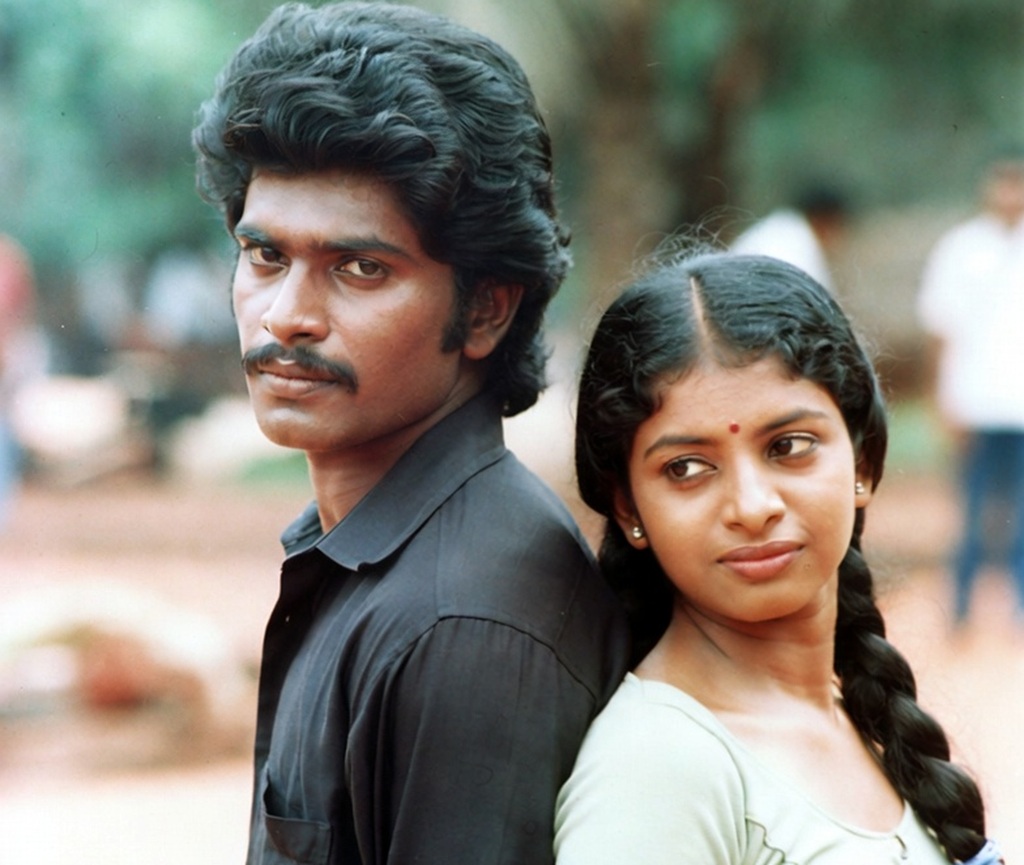

A Relatable Slice Of Life For Young Couples
Many scenes feel like they could come from any middle-class flat in Chennai, Coimbatore, or Bengaluru. There are familiar fights about late replies on WhatsApp, who cooks or cleans, career focus, hanging out with college friends, in-law comments, and impulse spending.
Nothing here looks like an over-the-top commercial film. The apartments are modest, the offices look like regular IT spaces, and the court sessions feel grounded and slightly chaotic, just as in real life. Reviewers from outlets such as Cinema Express have highlighted this simple, believable tone.
The script is built to spark discussions. Couples watching together may find themselves nudging each other during certain lines, then arguing in the car on the way home about who in the film was more at fault. That is where the film quietly succeeds.
Gender Politics: Sweet Message Or One-sided View?
While many viewers liked the honesty in the couple’s conflicts, the film has also triggered a strong debate. Some critics praised it for showing the emotional strain men face in marriage. Shiva’s stress, silent pressure to provide, and bottled-up feelings get clear space on screen.
Others, including writers in Tamil media and social networks, felt the film leans too much towards the husband’s side. They argued that Sakthi, who is more progressive and outspoken, is often painted as the main reason for the problems. Her anger is judged more harshly, while Shiva’s mistakes are brushed aside or explained away with sympathy.
Pieces like the Times of India review also touch on this tension between intent and outcome. For viewers who care deeply about gender representation, this imbalance matters.
The film clearly wants to say that both sides should listen more and let go of their egos. Yet the way scenes are staged means that not everyone will feel it treats husband and wife with equal fairness. Some will see it as honest, others as slightly regressive.
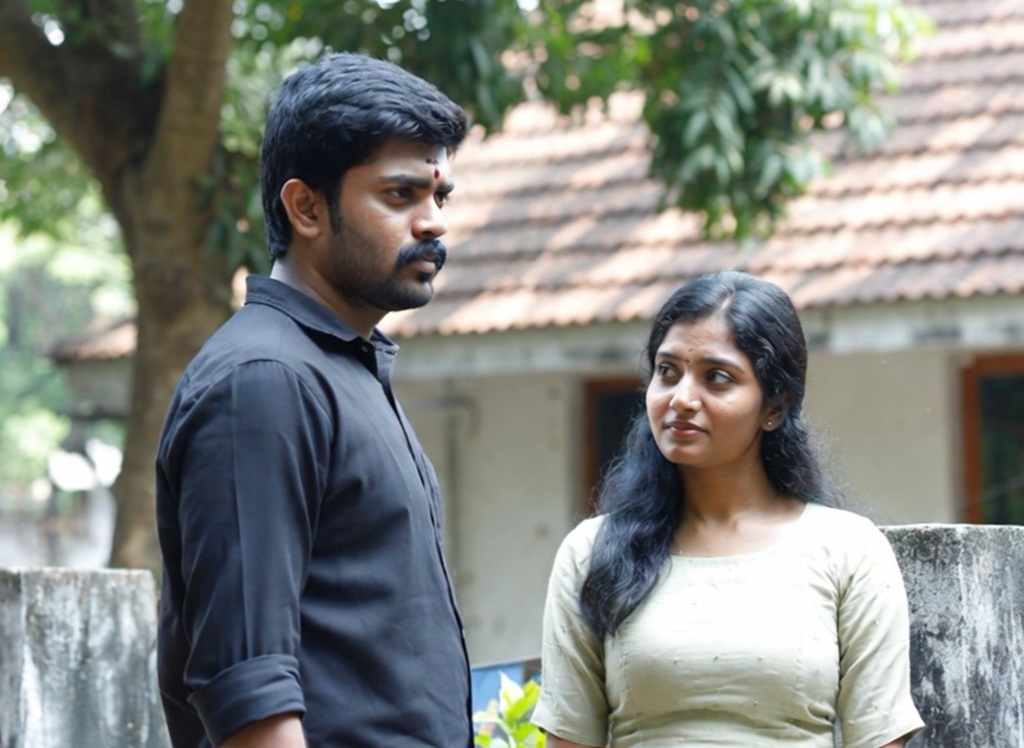

Performances, Direction, And Technical Craft: What Makes It Watchable
Even when the writing feels familiar, the film stays watchable because of how it is played and put together. The tone is mostly light, with humour peeking through even in tense arguments. When the heavier scenes arrive, they feel earned rather than forced.
Kalaiarasan Thangavel, in his debut, keeps the narrative clean and focused on the couple. The arguments sound like real conversations, not long speeches. He also understands that a marriage story works best in small details, like a look at the dining table or a half-finished text on a phone.
On the technical side, Siddhu Kumar’s music supports the mood without shouting for attention. The songs are pleasant, easy to hum, and help mark the shifts in the relationship. The background score underlines court scenes and emotional beats in a gentle way.
Madhesh Manickam’s cinematography keeps to simple frames, mostly indoors, which suits a domestic drama. The editing by Varun KG is clear and neat, though a few scenes in the second half feel stretched. Overall, the craft helps the emotions land, even if it does not chase a big visual style.
Rio Raj And Malavika Manoj Carry The Film
Rio Raj and Malavika Manoj are the heart of Aan Paavam Pollathathu. Their chemistry feels easy and lived-in, which is important for a couple that moves from teasing to tears. Rio brings his TV and comedy experience to the role, balancing light one-liners with quieter moments of hurt and frustration.
Malavika gets a trickier part, since Sakthi is proud, independent, and often judged more harshly by the plot. She manages to show both strength and vulnerability, especially when Sakthi’s confidence slips and her fear of loneliness shows in small gestures.
Together, they make the fights feel painfully real and the tender scenes warm without becoming cheesy. Supporting actors like RJ Vigneshkanth and the parents add reliable humour and emotional support, though they do not get deep character arcs of their own.
Direction, Pacing, Music, And Visuals
Kalaiarasan Thangavel mostly finds the right mix of comedy and drama in the first half. The early domestic episodes move at a brisk pace, keeping viewers smiling even while small red flags pop up in the relationship. The second half, which spends more time in court and on long conversations, feels slower and could have been sharper.
The climax chooses a safer, more familiar road instead of a bold surprise. Some audience members may wish the film had pushed its idea about expectations in marriage a bit further.
Visually, the film keeps things simple: soft lighting in the home, slightly harsher tones in the court, and busy frames in office scenes. The choices match its middle-class world. Siddhu Kumar’s songs and background score lift several key moments, especially during montages that show the drift between Shiva and Sakthi. It all adds up to a smooth, family-friendly watch rather than a heavy arthouse drama.
Is Aan Paavam Pollathathu Worth Watching?
Putting everything together, Aan Paavam Pollathathu is a modest but engaging romantic comedy drama about everyday marriage problems. The story is not brand new, and some arguments feel one-sided, yet the film still holds attention because the emotions feel honest, and the lead pair is strong.
Viewers who enjoy films that spark conversation about relationships are likely to get value from it. The movie works best as a mirror to small habits and unspoken hurts in long-term relationships. Those who are very sensitive to how women are written on screen may find the balance uneven, but even that can lead to useful debates after the film ends.
For theatre viewing, it plays as a light weekend watch. On OTT, it feels like the kind of film couples can put on after dinner, pause during an argument scene, and jokingly ask, “So, who are you in this fight?”
Who Will Enjoy This Romantic Comedy Drama
People who like grounded couple stories, soft humour, and emotional moments without loud action or glamour are the ideal audience here. The language is mostly clean, and there is no extreme violence, so it is safe to watch with older parents or in a family setting.
Fans of Rio Raj and Malavika Manoj will enjoy seeing them in roles that feel close to real life. For those who usually follow Tamil family dramas and relationship-centred films, this will sit in the “pleasant, engaging watch” slot, similar in spirit to how regional portals describe other middle-class domestic stories.
Who May Be Disappointed
Viewers who expect a very fresh plot or stylish storytelling may walk away underwhelmed. Several story beats are easy to guess, and the second half can feel slow if someone does not enjoy long, talk-heavy scenes.
Those who strongly dislike any hint of bias in gender politics might also have issues with how Sakthi is written and judged by the narrative. If expectations are set for a simple, conversation-starter film rather than a grand, message-heavy drama, the experience will be smoother.
Conclusion
In the end, Aan Paavam Pollathathu is a watchable, fairly honest romantic comedy drama that speaks to the small cracks in modern marriage. Its biggest strengths are the believable writing of everyday fights and the committed work of Rio Raj and Malavika Manoj, supported by neat direction and low-key craft.
The gender debate around the film will not end soon. Some viewers will welcome its focus on men’s hurt and silent pressure, while others will feel it underplays women’s struggles. Both responses make sense, and that tension is part of what keeps the film in public talk.
For anyone who enjoys relationship dramas and is open to discussing its ideas after the end credits, this is worth at least one watch, either in theatres or when it lands on OTT.