

Some movies don’t try to surprise the viewer; they try to stir them. Janatha Garage is one of those films, loud in its emotions, clear about right and wrong, and built to give its stars room to own the screen.
This spoiler-light Janatha Garage movie review looks at what still works in 2026 and what doesn’t. Released in 2016, the Telugu action drama is directed by Koratala Siva, with Jr. NTR and Mohanlal as the main draw, supported by Samantha Ruth Prabhu and Nithya Menen. The review covers the story setup, performances, music, action highs, themes about nature and justice, pacing problems, and who is most likely to enjoy it today.
For US viewers in January 2026, the film is typically available to rent or buy on Amazon Video, while “free” availability can change often. That context matters because Janatha Garage plays differently at home than it did in a packed theater.
What the movie is about, and what kind of film it wants to be
At its simplest, Janatha Garage follows Anand (Jr. NTR), a young man who cares deeply about nature and speaks up when he sees environmental harm. Circumstances push him toward his uncle Satyam (Mohanlal), who runs a local garage that is more than a workplace. It’s also a place where people in trouble come for help, and where a quiet form of justice is delivered when the system feels slow or compromised.
The “garage” is the film’s core metaphor. It’s where broken things get fixed, whether that’s a motorcycle, a family problem, or a community harmed by greed. The movie wants to be two things at once: a star-driven masala entertainer and a social-message drama about pollution, power, and responsibility.
That dual identity is both its charm and its main challenge. When it’s focused, the film feels like a crowd-pleaser with purpose. When it’s scattered, it feels like two movies stitched together.
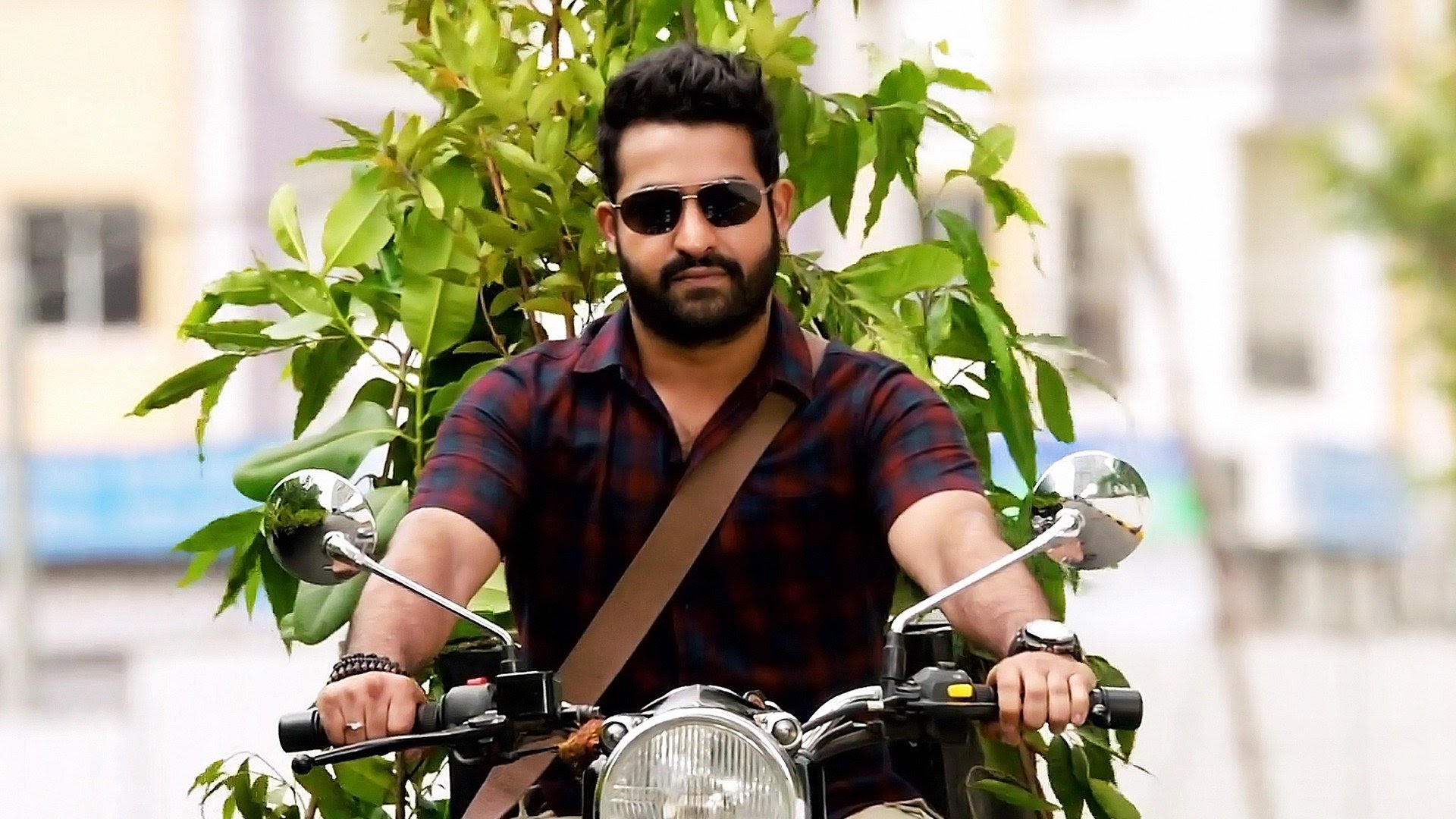
The eco message vs the vigilante action, does the mix work?
The early portions lean into Anand’s love for nature, with dialogues that are direct and sometimes preachy. The environmental angle is easy to understand, which helps the message travel beyond language barriers.
But the film also runs on vigilante fuel. The garage team becomes a force that doesn’t wait for official approval, and the story shifts toward punishing villains in a more traditional action format. That blend can work when the same conflict powers both, like when polluters are tied to broader crime. It works less when the eco thread feels like a starter motor for a different revenge engine.
A common complaint is that the emotional connection thins out later. The message remains, but the storytelling focus drifts, and the movie starts chasing “next big moment” rather than building tension from the theme.
Pacing and length, where it feels tight and where it drags
Even fans admit Janatha Garage can feel long. It has strong peaks, but the path between them isn’t always smooth. The first half usually moves better because it sets up characters, the garage culture, and the moral code. The second half can start to feel familiar, with plot turns that seasoned masala viewers can guess early.
The narration also slows down in places where the film pauses to explain motives instead of letting scenes do the work. For viewers wanting a sharper thriller, these stretches may feel like speed bumps. For viewers who enjoy “hangout” scenes with stars and supporting characters, it’s easier to stay on board.
Performances and characters that carry the film
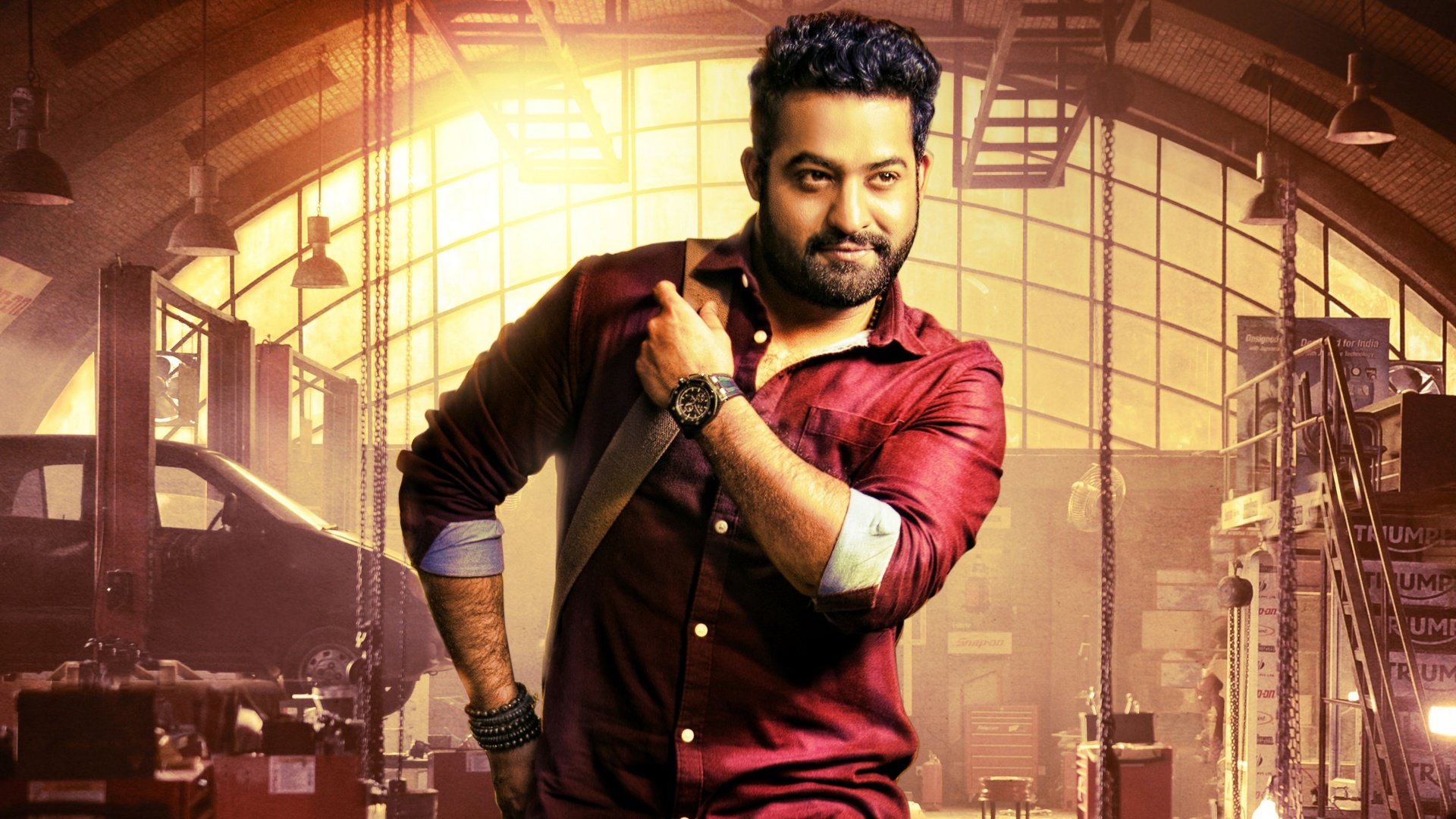
When the script takes a predictable route, the cast helps keep the ride enjoyable. Janatha Garage is built on screen presence, and it gets a lot of mileage from two leads who feel different in energy and style.
The supporting cast also matters more than it might seem. This is a movie about a “group,” not just a lone hero. The garage members, family spaces, and community moments create the feeling of a lived-in world, even when the plot is doing standard commercial beats.
Jr. NTR’s Satyam is the big engine of the movie.
Jr. NTR plays Anand with a mix of fire and warmth, which is why the character remains watchable even when the writing feels routine. He’s convincing in confrontations, but he also sells quieter scenes, especially when the film asks him to show respect, guilt, or restraint.
His rhythm as a performer is a big reason scenes don’t fall flat. When the movie leans into hero-elevation, he has the timing for it. When it needs emotion, he doesn’t look like he’s “posing” through it. And yes, the dance and physicality are part of the package, helping the movie maintain energy during stretches that might otherwise drag.
Mohanlal’s role, limited time, strong impact
Mohanlal’s Satyam is the anchor. The character projects calm authority, like someone who’s already lived through the chaos the younger hero is stepping into. He doesn’t need many loud scenes to register; his presence does the work.
The Jr. NTR and Mohanlal combination is also a key reason people rewatch the film. Their scenes carry a mentor-student weight, but they don’t feel sentimental in a syrupy way. Some viewers still wish Mohanlal had more screen time or a deeper arc, because the character is compelling enough to support a more layered track.

Music, action, and the overall theater feel
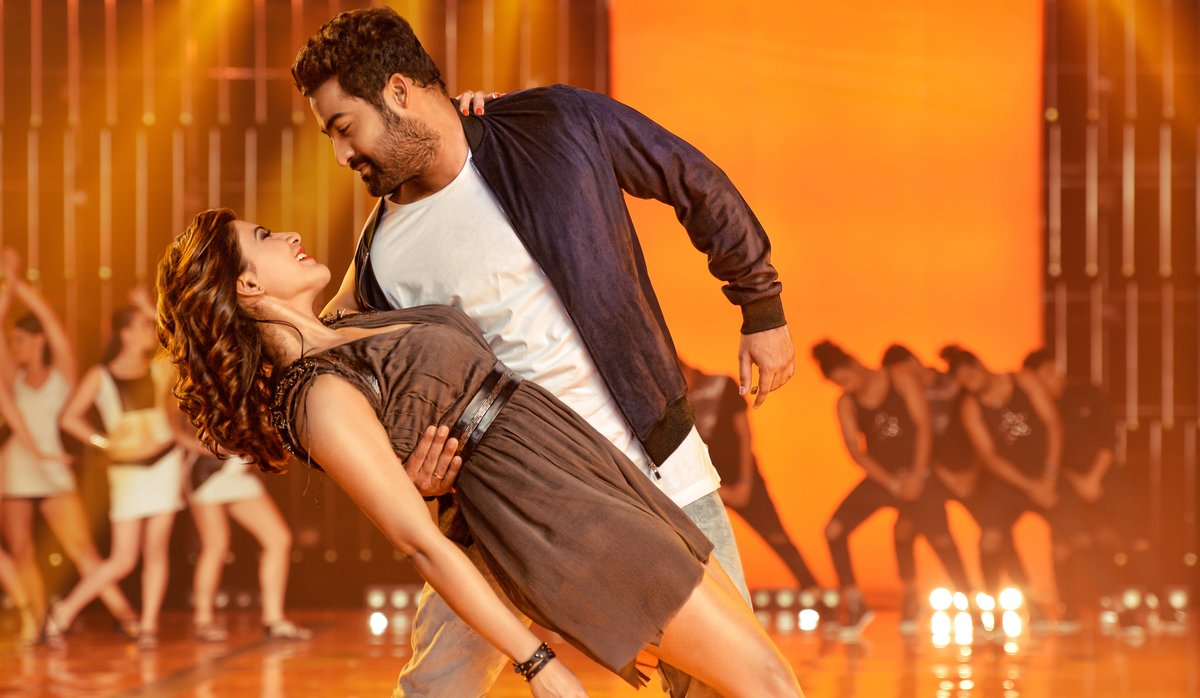
This is where Janatha Garage most clearly announces what it is: a mass entertainer designed for whistles, claps, and “hero moments.” At home, that same design can feel noisy if the viewer isn’t in the mood, but it’s still effective for anyone who enjoys big emotions and big staging.
The action is not aiming for realism. It’s aiming for impact. The music is not always subtle. It’s aiming to push adrenaline. In other words, the movie knows its audience, even when the story wobbles.
Devi Sri Prasad’s songs and background score, what lands and what feels loud
Devi Sri Prasad’s music supports the film’s high-energy mood. The background score is a major driver of momentum, especially during fights and reveal moments. When it hits, it makes scenes feel larger than life.
Depending on taste, some tracks may feel a bit loud or less memorable outside the film. Still, the soundtrack does its job: it keeps the movie from feeling emotionally flat, and it smooths over pacing dips by injecting urgency.
Action blocks and high points, where the movie delivers fan moments
The action blocks are staged to create “payoff” moments: slow-motion entrances, punchy set pieces, and fights where the hero seems unstoppable. The garage setting also gives the film a fun visual identity; tools and machines become part of the action language.
For viewers who want grounded stakes and realistic consequences, the action can feel exaggerated. For viewers who want a star vehicle that celebrates power and justice, it delivers exactly that, with enough set-piece variety to keep it from feeling repetitive.
Verdict: Who should watch Janatha Garage in 2026
In 2016, reception was split: many praised the stars, music, and mass moments, while others criticized predictable writing and uneven focus. That split still makes sense in 2026. Time hasn’t “fixed” the pacing, but it has made the film feel like a snapshot of a popular style of Telugu commercial cinema.
For a sense of how critics framed that gap at release, see The New Indian Express review, which highlights Mohanlal’s impact while acknowledging the film’s message-heavy approach.
Watch it if the viewer wants a star-driven entertainer with a message
Janatha Garage is a good pick for:
- Jr. NTR fans who want a high-energy lead performance with emotion
- Mohanlal fans who enjoy quiet authority and a strong screen presence
- Viewers who like a family feeling mixed with action and social themes
- Anyone who enjoys Telugu mass films, where music and hero moments are the main course
It also works well as a “rewatch in parts” movie, where viewers return for specific scenes and set pieces.
Skip it if the viewer needs tight writing, deeper emotion, ora sharper villain.s
It’s easier to pass on if the viewer dislikes:
- Slow pacing and a long runtime
- Familiar story beats and predictable turns
- Plot gaps that require patience
- Villains who feel more functional than frightening
- An eco theme that starts strong but loses focus as action takes over
Conclusion
Janatha Garage still lands in 2026 as a star-led commercial entertainer with strong performances, energetic music, and plenty of fan-service highs. Its main issues remain the same: uneven storytelling, a stretched runtime, and a theme mix that doesn’t always hold together. For viewers who enjoy Jr. NTR and Mohanlal sharing a film built for big moments, it’s an easy recommendation.