
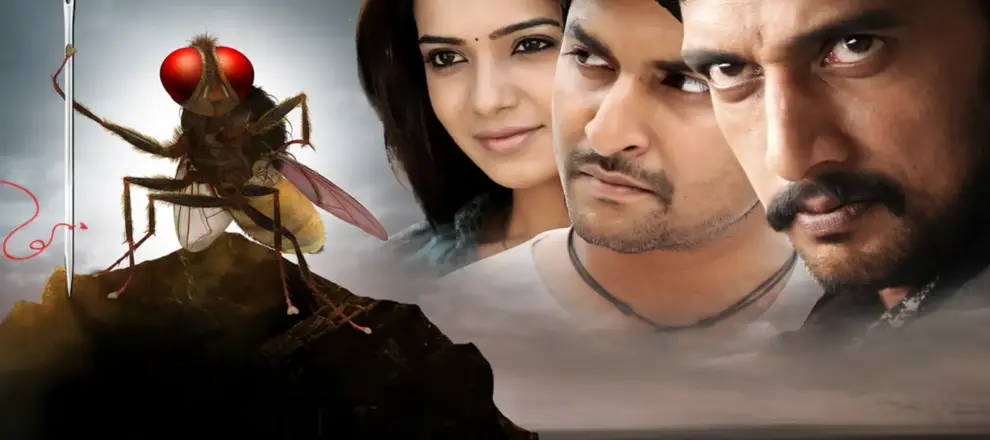
What if a movie asked the audience to cheer for a housefly, not as a joke, but as a real hero with a real mission? Eega (2012) takes that wild idea and commits to it with total confidence.
Directed by S.S. Rajamouli (known for big, crowd-pleasing swings), this Telugu fantasy action film is still recommended in 2026 because it feels fearless and oddly heartfelt. This spoiler-light Eega movie review covers the story setup, acting, visual effects, pacing, and who’s most likely to enjoy it.
Quick take on Eega: what makes this fly revenge movie so fun
Eega is a mix of fantasy, action, comedy, and romance, blended in a way that feels like a modern folk tale. It’s colorful, loud when it needs to be, and surprisingly easy to follow, even for viewers new to Telugu cinema.
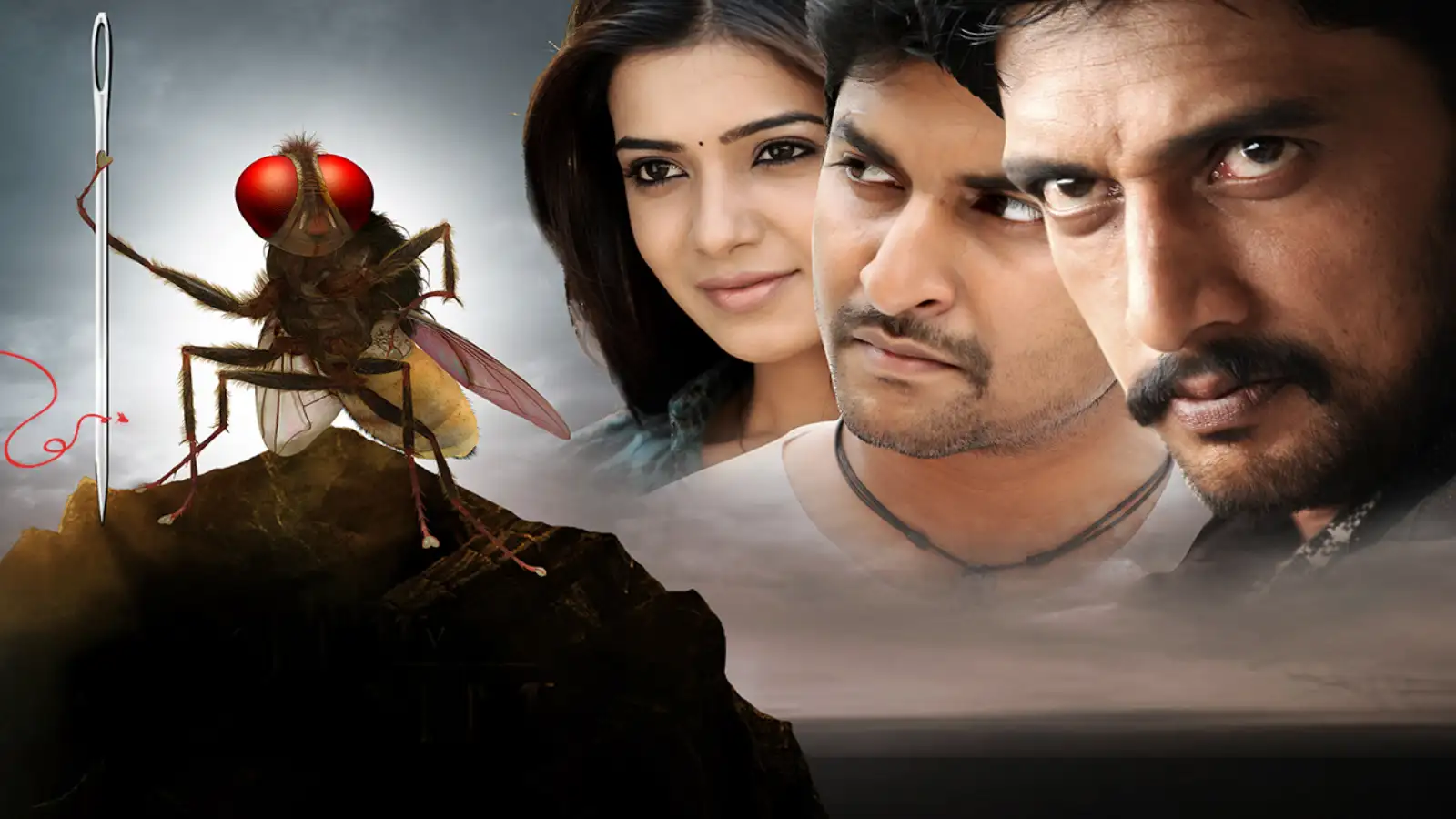
Here’s the no-spoilers snapshot: Nani loves Bindu, Sudeep kills him out of jealousy, and Nani returns as a fly to protect her and wreck the villain’s plans. If that sounds impossible to pull off, that’s the point, the movie keeps proving it can.
For basic cast and release details, a quick reference like the Eega film overview helps set the table without spoiling the ride.
Verdict in two sentences: Eega is ridiculous in concept, then impressively serious in execution. It’s the rare revenge movie that can make an audience laugh, tense up, and root for an insect, sometimes in the same scene.
No-spoiler story setup: love, jealousy, and a tiny hero
At the center is a simple triangle: a sweet romance, a possessive villain, and a woman caught in the middle. Nani is charming and optimistic, the kind of guy who believes effort and kindness will win the day. Bindu is creative and strong-willed, not a passive prize. Sudeep is rich, entitled, and used to getting what he wants.
Once the story flips into its main hook, the movie plays like a fairy tale with a grudge. The fly doesn’t become a superhero with magic powers. It stays small, fragile, and limited, which forces the revenge to be clever instead of brute force. The best parts come from watching the hero “think” through problems like a scrappy underdog in the body of something most people swat without looking.
Bindu also isn’t just watching from the sidelines. The film gives her agency and curiosity, and that matters because her choices raise the stakes. When she starts to realize what’s happening, the story becomes a team effort, not a one-bug show.
Is Eega kid-friendly and family-safe? What to expect
Eega is generally family-friendly in tone, but it isn’t weightless. There’s a clear villain, real threats, and moments of violence tied to the revenge plot. The action often plays like live-action cartoon logic, where timing and exaggeration matter more than realism.
Parents should expect some tense scenes and danger, yet the movie doesn’t sit in darkness for long. The energy stays playful, and much of the conflict is built around tricks, humiliation, and payback rather than graphic harm. For many families, it lands closer to “exciting and mischievous” than “scary.”
Performances and characters: why the cast makes the impossible feel real
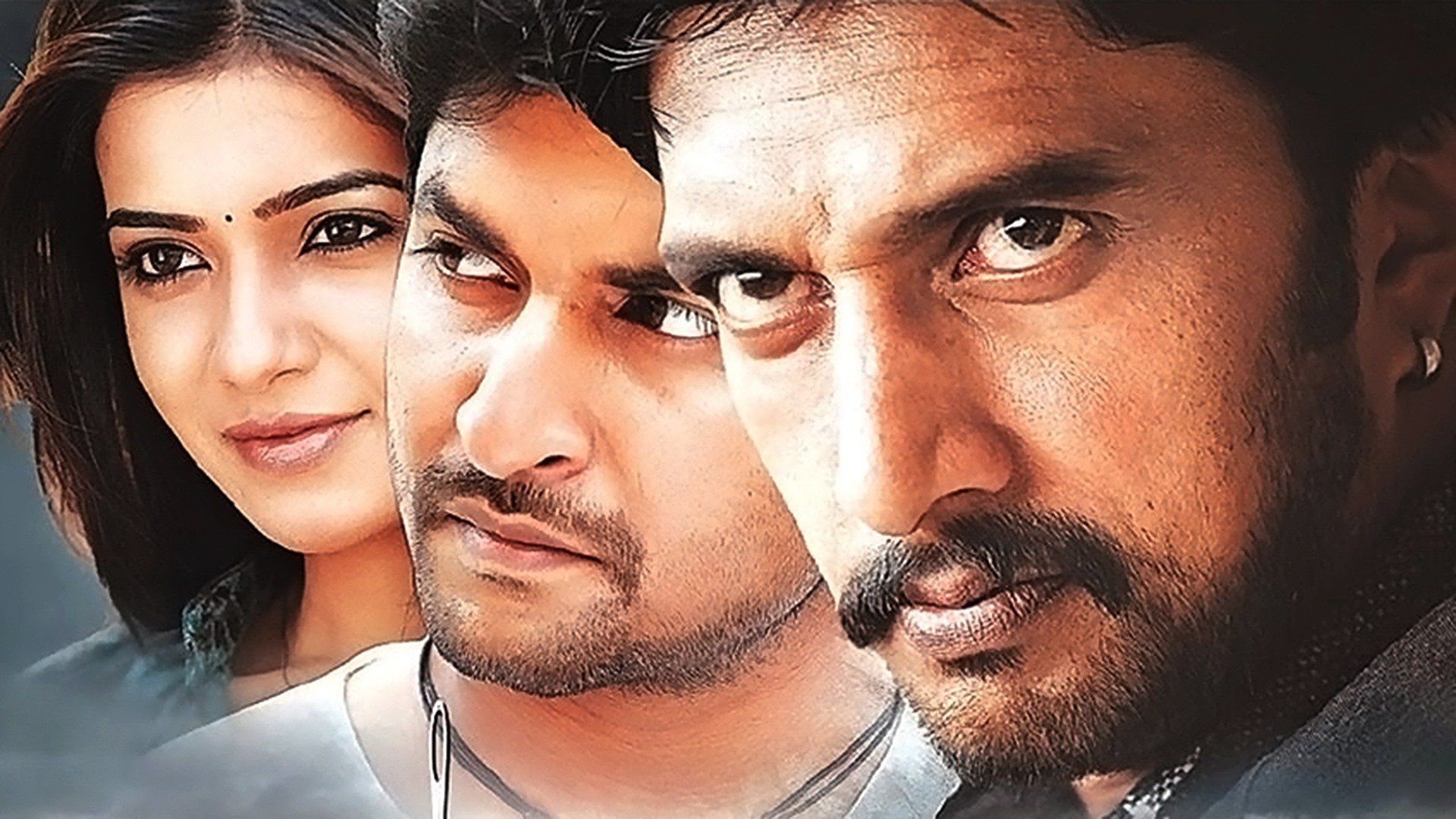
When the main character becomes CGI for most of the runtime, the human cast has to carry the emotional weight. Eega works because the actors behave as if the fly’s presence is real, and they commit fully to the movie’s heightened style.
The core cast is straightforward and effective:
- Nani as Nani
- Samantha Ruth Prabhu as Bindu
- Kiccha Sudeep as Sudeep
The movie also benefits from clear character writing. Each lead has a strong want, and the film keeps returning to those wants, even when the set pieces get big.
Nani and Samantha Ruth Prabhu: the emotional heart that sells the premise
Nani’s early scenes matter more than they might seem. They establish a kind of warmth that the film uses later, so the revenge doesn’t feel random. The audience understands what was taken and why the hero refuses to let go.
Samantha Ruth Prabhu gives Bindu a grounded presence that keeps the film from turning into a two-and-a-half-hour gag. Her reactions are key, especially once the fly starts “communicating” through actions. She plays confusion, fear, and determination in a way that makes the partnership believable, even when the partner is the size of a fingernail.
Because Bindu is written as capable and curious, the premise starts to feel meaningful instead of silly. The romance becomes the emotional engine, not a side dish.
Kiccha Sudeep as the villain: the secret weapon of the movie
Sudeep’s performance is one of the main reasons Eega holds up. He has to act against a tiny opponent, meaning the fear and frustration have to read on his face and body. He sells the slow boil of panic, anger, and humiliation as his power stops working.
What makes him memorable is that he doesn’t play the villain like a cartoon, even when the situations are heightened. He plays him like a man whose ego is cracking in public, and the audience can feel that crack widen scene by scene. Viewers who love “villain breakdown” arcs usually remember Eega for this exact reason.

VFX, direction, and pacing: Doesega still hold up in 2026?
Yes, with a few realistic expectations.
The fly VFX still looks good because the animation focuses on weight, timing, and how the fly interacts with real objects. The direction is also unusually clear. Even when scenes become chaotic, the audience can track where the fly is, what it’s trying to do, and what the villain thinks is happening.
The runtime is about 2 hours 3and 0 seconds, so pacing matters. The film uses that time for setup, escalation, and several big payback sequences, which means it sometimes takes a beat before it hits full speed.
The fly animation and action design: smart, clear, and surprisingly believable
The fly has personality without becoming a talking mascot. Small choices, like how it tilts, pauses, or circles back, create the sense of intention. The film also makes the fly “feel” present by showing tiny physical interactions, landing on surfaces, bumping into objects, and reacting to airflow and movement.
Action is staged like a puzzle. The fly can’t win by force, so it wins by irritation, distraction, and making the villain doubt his own control. The comedy comes from scale, like how a tiny creature can turn a confident man into a wreck, but the action still has stakes because one bad move could end the hero instantly.
Pacing and rewatch value: where it flies, where it slows
The early stretch, before the transformation, is lighter and more romantic. Some viewers will find that part slower, mostly because the movie is setting up emotional context and the villain’s obsession.
Once the fly arrives, the movie “clicks” and becomes more playful. That’s also where rewatch value shows up, since many sequences are built like clever routines. Fans often revisit favorite revenge beats the way people rewatch a great sports highlight, because the joy is in the execution, not just the outcome.

Should someone watch Eega? Ratings, best audience, and final verdict
Eega is easy to recommend to anyone open to a bold premise and a longer runtime. As of January 2026, the film sits at 7.7/10 on IMDb with 30,000+ votes, showing that it still has strong audience support. The Eega listing on IMDb is also a useful place to scan viewer reactions without running into major spoilers.
Rotten Tomatoes has a listing and audience commentary, but the current data doesn’t show a clear score. At the box office, the film was a major hit in its release era, with widely reported worldwide earnings over ₹125 crore, which matches its “big crowd” reputation.
Who will love it, who might not
Best fit:
- Fans of Rajamouli-style spectacle (especially people who enjoyed RRR or Baahubali)
- Viewers who like creative fantasy action and visual comedy
- Families looking for an energetic, mostly playful crowd-pleaser
- Anyone curious about popular Telugu cinema entry points
Might not be a fit:
- Viewers who dislike fantasy logic and heightened emotions
- Anyone who struggles with 2.5-hour runtimes
- People who prefer subtle villains over big, expressive ones
Where it fits in S.S. Rajamouli’s filmography and why it stays popular
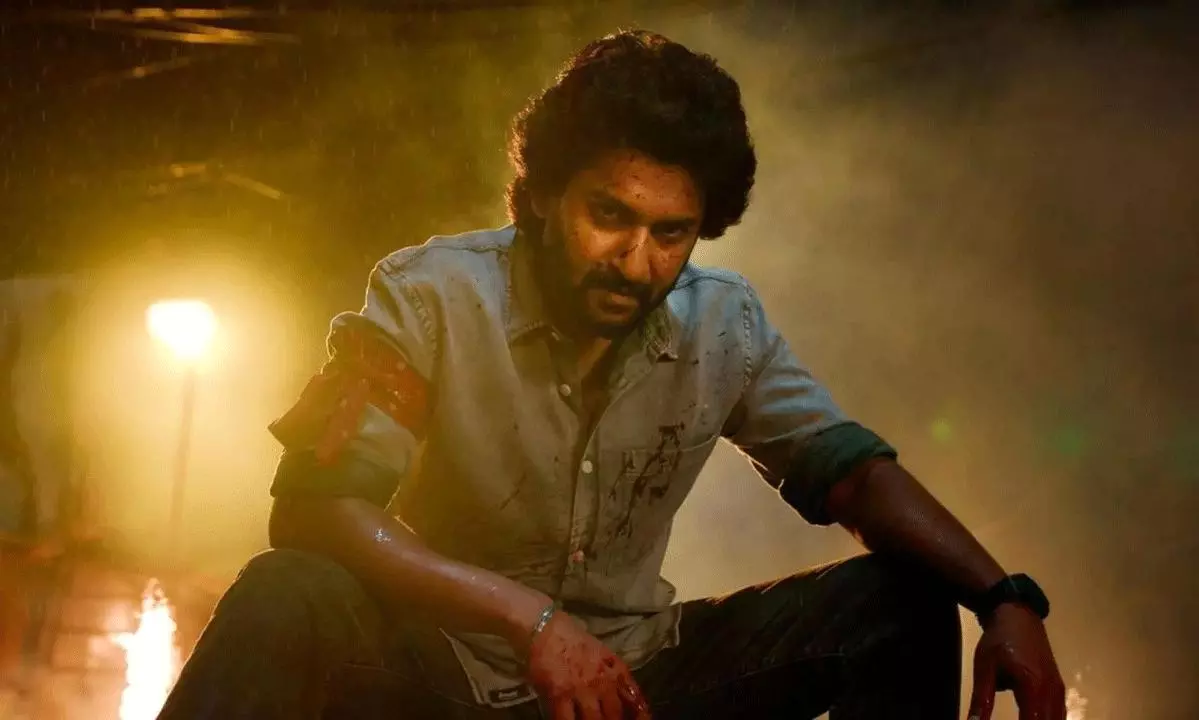
Eega shows Rajamouli’s strengths in a concentrated form: a huge high concept, clear action storytelling, emotional stakes, and set pieces built around simple goals. It also proves he can make scale work in both directions, not only with armies and monuments, but also with a fly and a matchbox.
In 2026, it’s also an easy anniversary rewatch. The film was released in July 2012, which makes this its 14th year in the public conversation, and it still feels fresh because few mainstream movies have tried anything quite like it.
Conclusion
Eega remains a strong watch in 2026 because the concept is bold, the execution is confident, and the movie treats its tiny hero like a real person with real stakes. The VFX still works, the villain’s performance is a standout, and the direction keeps the action easy to follow. The main drawbacks are the long runtime and the movie’s fairy-tale tone, which won’t fit every taste. It’s best watched with friends or family, then compared afterward by answering one simple question: which fly revenge moment was the most satisfying?