
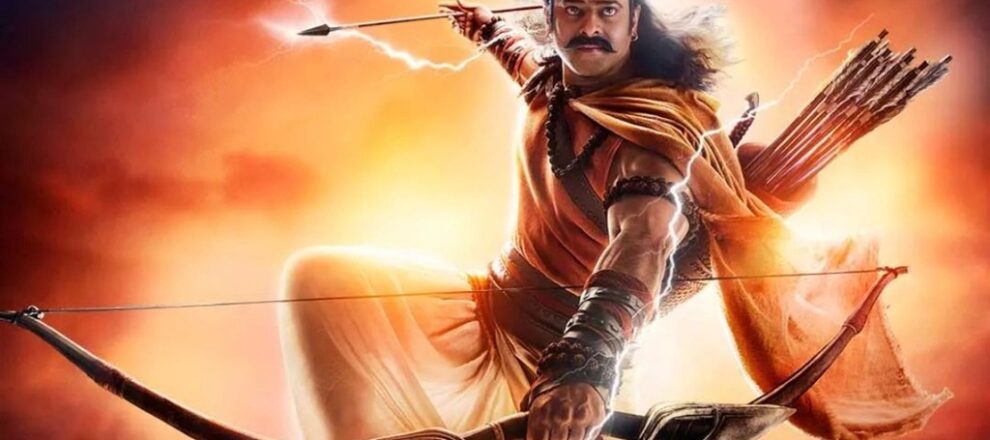
Walking into Adipurush Movie feels a bit like walking into a famous temple that’s been rebuilt as a theme park. You recognize the shape, you know the story beats, and you can sense the scale. But you’re also going to notice the paint, the lighting, and the choices made to impress a modern crowd.
Released in 2023, Adipurush is a big-budget action epic inspired by the Ramayana. It drew massive attention because it promised a modern retelling with star casting, huge sets, and heavy CGI. It also sparked loud debates before many people even saw the full film.
This spoiler-light review breaks down the basics, performances, visuals, pacing, and the controversies, then ends with simple guidance on who it’s most likely to work for.
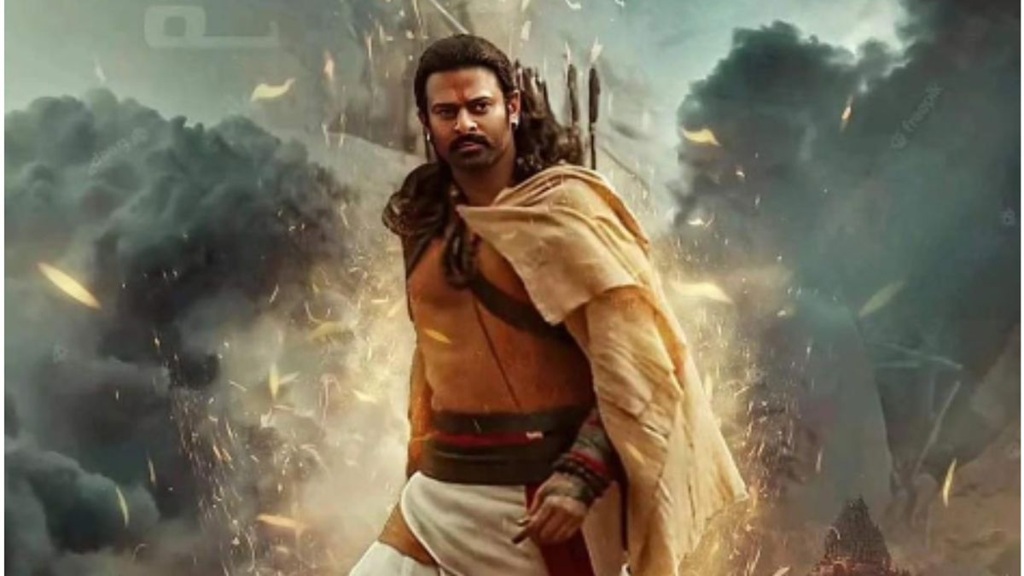
Adipurush Movie at a Glance: Story, runtime, and the basic setup
Adipurush is built like a mythic action film first, and a character drama second. The movie doesn’t pretend to be small or subtle. It wants big emotions, big lines, and even bigger battles.
Here are the quick facts most viewers look for:
- Genre: Action epic (myth-inspired)
- Theatrical release date: June 16, 2023
- Runtime: About 2 hours 50 minutes (roughly 179 minutes)
The setup is simple and familiar, even if you haven’t read the epic. Raghava is exiled, separated from his life of comfort and order. Janaki is kidnapped by Lankesh, the powerful ruler of Lanka. What follows is a rescue mission that grows into a war, ending in a final confrontation between good and evil.
One important note for expectations: Adipurush is inspired by the Ramayana, so many story beats are meant to feel like legend, not like realistic drama.
Main cast and who they play
Casting is a huge part of why Adipurush stayed in headlines. The film leans on star power, and each character is designed to signal a clear role in the larger moral fight.
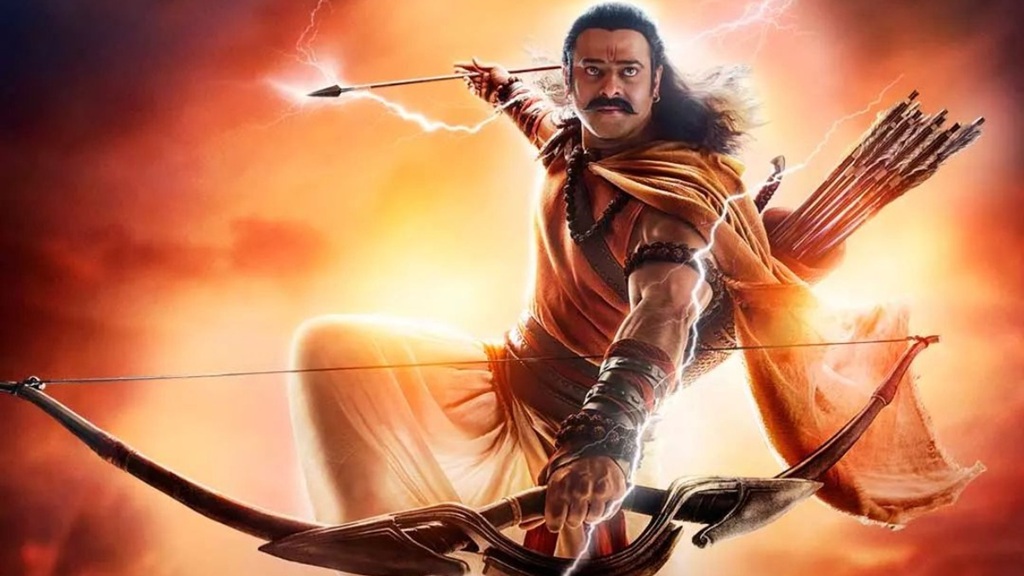
- Prabhas as Raghava: the hero, steady and duty-first, built to feel larger than life.
- Kriti Sanon as Janaki: the partner and moral center, meant to anchor the story’s emotion.
- Saif Ali Khan as Lankesh: the villain, styled as a dark, intimidating force.
- Sunny Singh as Shesh: the loyal brother, often the most human presence beside the hero.
- Devdatta Nage as Bajrang: the powerful ally, bringing energy, faith, and physical force.
This lineup is strong on paper. The real question is how well the film uses them.
What works and what does not: acting, pacing, and emotional impact
The easiest way to describe the experience is this: Adipurush has moments that click, but it struggles to hold the same intensity from start to finish.
When the movie focuses on clear conflict, it improves. When it slows down for long stretches of setup, the energy drops. Because it’s an epic, you expect a slow build, but the early sections can feel stretched, like the film is waiting to become the war movie it wants to be.
Emotionally, the movie aims for devotion, separation, courage, and sacrifice. Some scenes land because the situation is already powerful in the myth. Other scenes feel like they’re leaning on what you already know instead of earning the feeling through the screenplay.
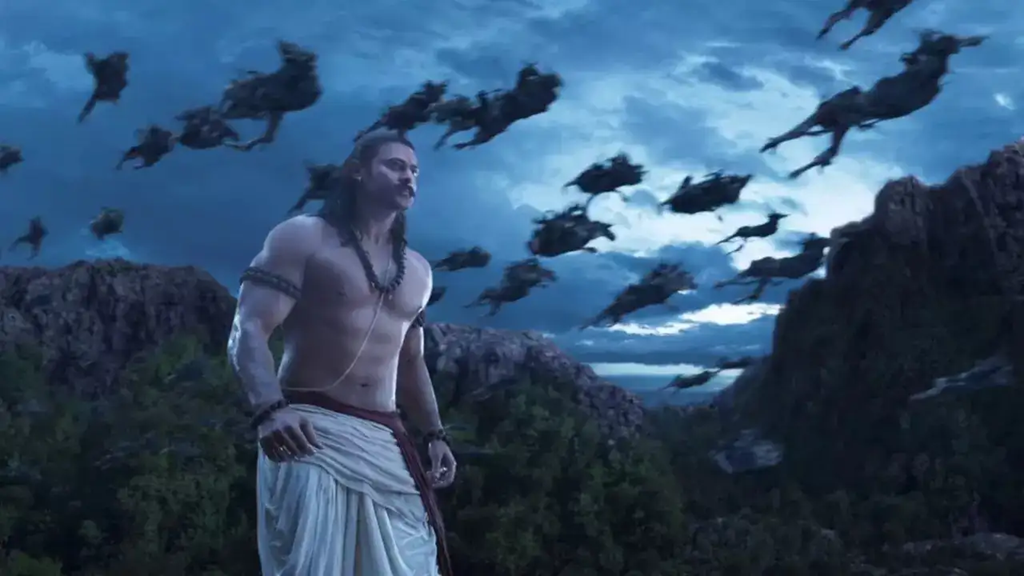
Performances and character moments that stand out
Prabhas brings presence. He looks the part of a mythic hero and carries a calm, controlled vibe. At the same time, that restraint can read as distance. For viewers who want more inner conflict on his face, the performance may feel too still in key moments.
Kriti Sanon does what she can with the material, but Janaki doesn’t always get enough meaningful scenes to feel fully realized. She’s important to the story, yet the film often treats her more as a symbol than a person. That choice fits a mythic tone, but it also limits the emotional punch.
Saif Ali Khan goes for a bold villain style. He plays Lankesh with theatrical flair, and the performance is committed. Whether it works depends on your tolerance for a more stylized, almost comic-book approach. Some viewers will enjoy the clear “big bad” energy. Others will feel it clashes with the seriousness of the source.
Sunny Singh as Shesh is often the easiest to connect with because he reacts like a person, not a statue. When the film allows him small emotional beats, it helps.
Devdatta Nage’s Bajrang is a turning point. His entry brings momentum, and the film feels more focused when he’s present. Even when the CGI around him is uneven, the character’s energy tends to lift scenes.
Dialogue is a mixed bag. Some lines aim for poetic weight and work in the moment. Others feel too modern or too punchy for a sacred, myth-based setup, which can break immersion.

Pacing and storytelling: where the movie drags, where it picks up
The first half is where patience gets tested. The movie spends a lot of time establishing tone, look, and stakes, but it doesn’t always build tension in a steady climb. Scenes can feel repetitive, especially when they lean on spectacle without moving relationships forward.
Later, the film improves because the goal becomes clearer and the stakes feel immediate. The last stretch, which many viewers call the best part, benefits from:
- Higher urgency: events move faster, and consequences feel closer
- Cleaner structure: battle preparation, clashes, and payoffs are easier to track
- Bigger set pieces: the film finally uses its scale for momentum, not just display
If you’re someone who watches epics mainly for the war arc, you’ll likely prefer the second half.
Visual effects, action scenes, and music: the big talking points
If you’ve heard anything about Adipurush, it’s probably about the visuals. The movie uses CGI heavily, and that choice shapes everything, from costumes to creatures to the look of entire cities.
The ambition is real. The problem is consistency. Some frames aim for a painting-like style, while others look like unfinished animation. When a film asks you to believe in gods, demons, and flying leaps, you need visuals that feel intentional. When the effects look wobbly, belief becomes harder.
For quick reference and production context, the Adipurush film overview is a useful starting point, especially if you want to confirm credits and versions.
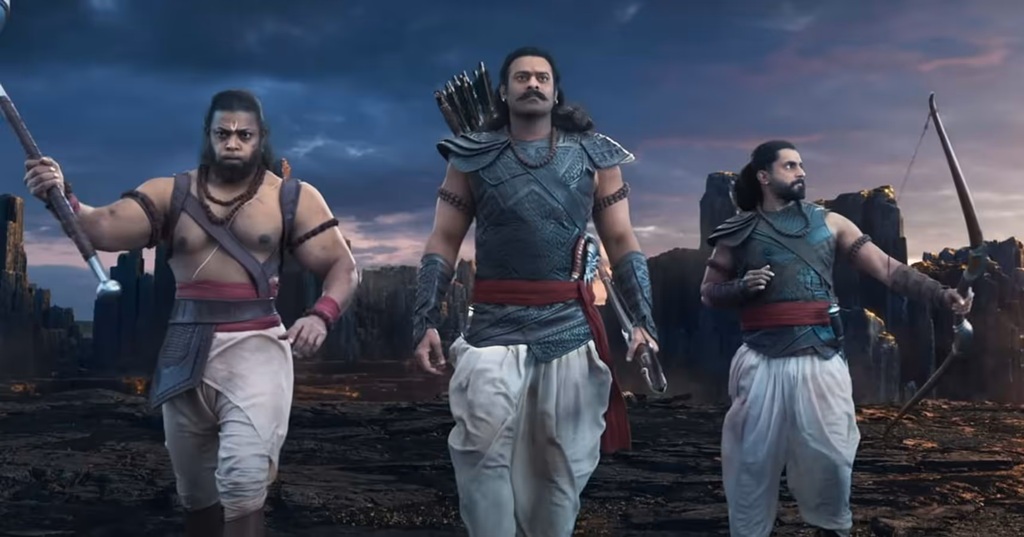
CGI and world design: why reactions were so divided
The most common complaint is that some VFX look cheap, especially early on. That “cheap” feeling often comes from a few specific things viewers notice right away:
Lighting mismatches: characters can look like they were placed onto backgrounds, instead of living inside the scene.
Texture issues: skin, armor, and creature surfaces sometimes look smooth or plastic, not worn or real.
Unnatural movement: some creatures and action motion feel floaty, like a video game cutscene.
Lanka’s design has scale, but it isn’t always detailed in a way that feels tactile. Dark color palettes can absolutely work for mythic drama, but they need contrast and clarity. When everything is smoky and gray, it can feel muddy, even during key moments.
Still, there are shots where the film’s ambition shows. Wide frames that emphasize distance, armies, and towering structures can look impressive. When the movie simplifies the visual goal (big silhouettes, bold color, clear motion), it looks better.
Action and final battle payoff
The action is staged in a way that fits a larger-than-life myth. Characters don’t fight like regular people. They pose, charge, leap, and deliver heavy blows designed for spectacle.
When it works, it’s because the camera gives you time to read the choreography. The better sequences have a clean sense of “who is where” and “what just happened,” which sounds basic but matters a lot in CGI-heavy fights.
The final battle stretch is more satisfying for many viewers because it finally aligns the movie’s strengths:
- Clear mission and stakes
- Repeated payoffs to earlier setups
- Bigger moments that feel like a proper climax
Even if you’ve been on the fence earlier, the ending often feels like the film’s most confident section.
Controversies and audience reaction: what people argued about and why it matters
Adipurush didn’t just release into theaters. It released into arguments. That matters because a movie like this depends on trust. The Ramayana is deeply respected, and viewers bring strong expectations about tone, character dignity, and visual style.
A lot of the online reaction focused on design and presentation. Some people felt the film looked too modern, too stylized, or too far from how they imagined these figures. Others were fine with a new interpretation, but still wanted the execution to look more polished.
Controversies also shape the viewing experience in a simple way: when you press play expecting a “disaster” or a “masterpiece,” it’s harder to watch with open eyes. The movie becomes a test, not a story.
Character design debates: Lankesh, Lanka, and the tone of the film
The villain’s styling became a flashpoint. Critics of the design pointed to the hairstyle, wardrobe choices, and overall presentation as feeling off for a mythic epic. Even viewers who enjoy modern fantasy sometimes wanted a more timeless look.
Lanka and its creatures also drew criticism for feeling more like fantasy gaming visuals than ancient myth. That doesn’t automatically make it bad, but it changes the tone. Myth can be stylized, but it still needs internal consistency. When the film shifts between “serious sacred tale” and “flashy fantasy action,” the tone can wobble.
Darker visuals are another point of debate. Darkness can feel epic, but if contrast is weak, scenes lose detail. Then big moments don’t land as strongly as they should.
Who will enjoy Adipurush and who should skip it
This movie is easiest to recommend when expectations are clear.
You’ll probably enjoy Adipurush if you want:
- A modern, action-heavy retelling inspired by a well-known epic
- Big battles and mythic hero imagery
- A stylized fantasy look, even when CGI is the main tool
You might want to skip it if you prefer:
- More grounded visuals and practical-looking sets
- Sharper dialogue and deeper character writing
- A traditional tone that feels closer to classic tellings
As of January 2026, it’s also widely available on streaming (Netflix and Prime Video), which makes it easier to sample without committing to a theatrical-style experience.
If you’re curious how general audiences responded across a wide range of opinions, the IMDb user reviews for Adipurush show just how split the reactions remain.
Conclusion
Adipurush Movie is ambitious, loud, and often visually risky. Its strongest stretch comes later, when the story locks into mission, conflict, and large-scale action. The weaker parts are the long early pacing and inconsistent CGI that can pull you out of the myth.
In simple terms, the pros are scale, a few standout character moments (especially Bajrang), and a climax built for spectacle. The cons are uneven visuals, a stretched first half, and an emotional core that doesn’t always feel fully earned.
If you’ve seen it, what stuck with you more, the visual style or the performances? And when you watch myth-based films, do you want them to feel realistic, or proudly stylized?