
The Belly of the Goddess: Why Tumbbad Feels Like Cinema’s Darkest Story About Greed
Movies have always loved stories about people who want too much. You can trace that theme from the desperate gold hunters in The Treasure of the Sierra Madre to the ruthless ambition of There Will Be Blood. Greed shows up again and again as the quiet villain that wrecks lives.
Then a film like Tumbbad (2018) comes along and makes greed feel physical. Not as an idea, but as something wet, heavy, and hard to shake off.
Directed by Rahi Anil Barve (with Adesh Prasad and Anand Gandhi), Tumbbad is a period horror film that plays more like a grim folk tale than a scare ride. It moves slowly, with purpose. By the end, it feels like it has pulled you under and refused to let go.
A Legend Built From Rain, Soil, and Hunger
The film opens with a myth that sounds ancient, even though it was mostly created for the story. We hear about the Goddess of Plenty, who gave birth to 160 million gods. Her favorite child was Hastar, and he was also the most hungry for more. He wanted all the gold and all the food that existed.
He succeeded in stealing the gold. Before he could take the grain, the other gods attacked him.
The Goddess protected Hastar, but the price was severe. He would be erased, never worshipped, and wiped from memory.
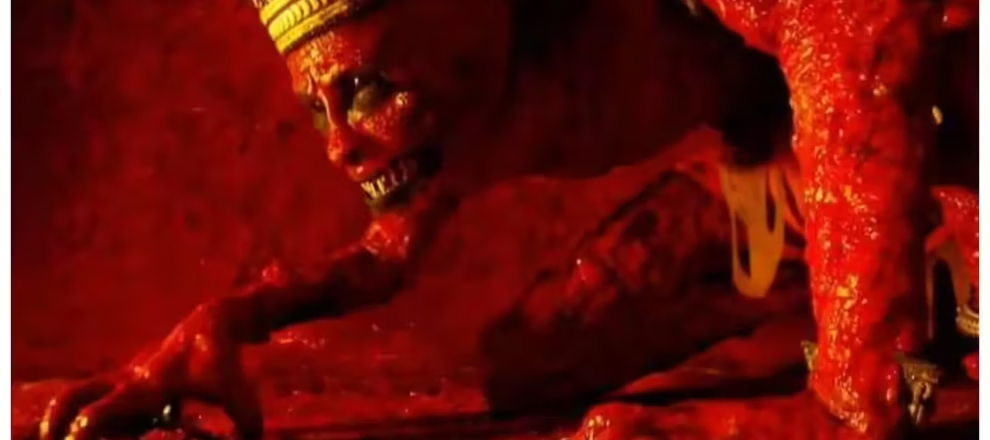
The story then shifts to early 20th-century India, to the village of Tumbbad, where rain seems endless. We meet Vinayak Rao as a boy. He lives in a crumbling mansion with his mother and his terrifying grandmother, who is chained and kept quiet by whispering Hastar’s name. Vinayak learns a secret hidden inside the house, a fortune stored in what feels like the goddess’s own womb. Hastar is trapped there, clinging to his stolen gold.
Three Chapters, One Long Fall
Tumbbad breaks Vinayak’s life into three clear parts, and each one pushes him deeper.
- Childhood: He stumbles into the horror and finds a way out of poverty.
- Manhood: Vinayak (played by Sohum Shah with slick charm and rot underneath) returns to the ruins and keeps taking from the creature, coin by coin.
- Legacy: Older, richer, and still restless, he brings his young son into the same dangerous routine.
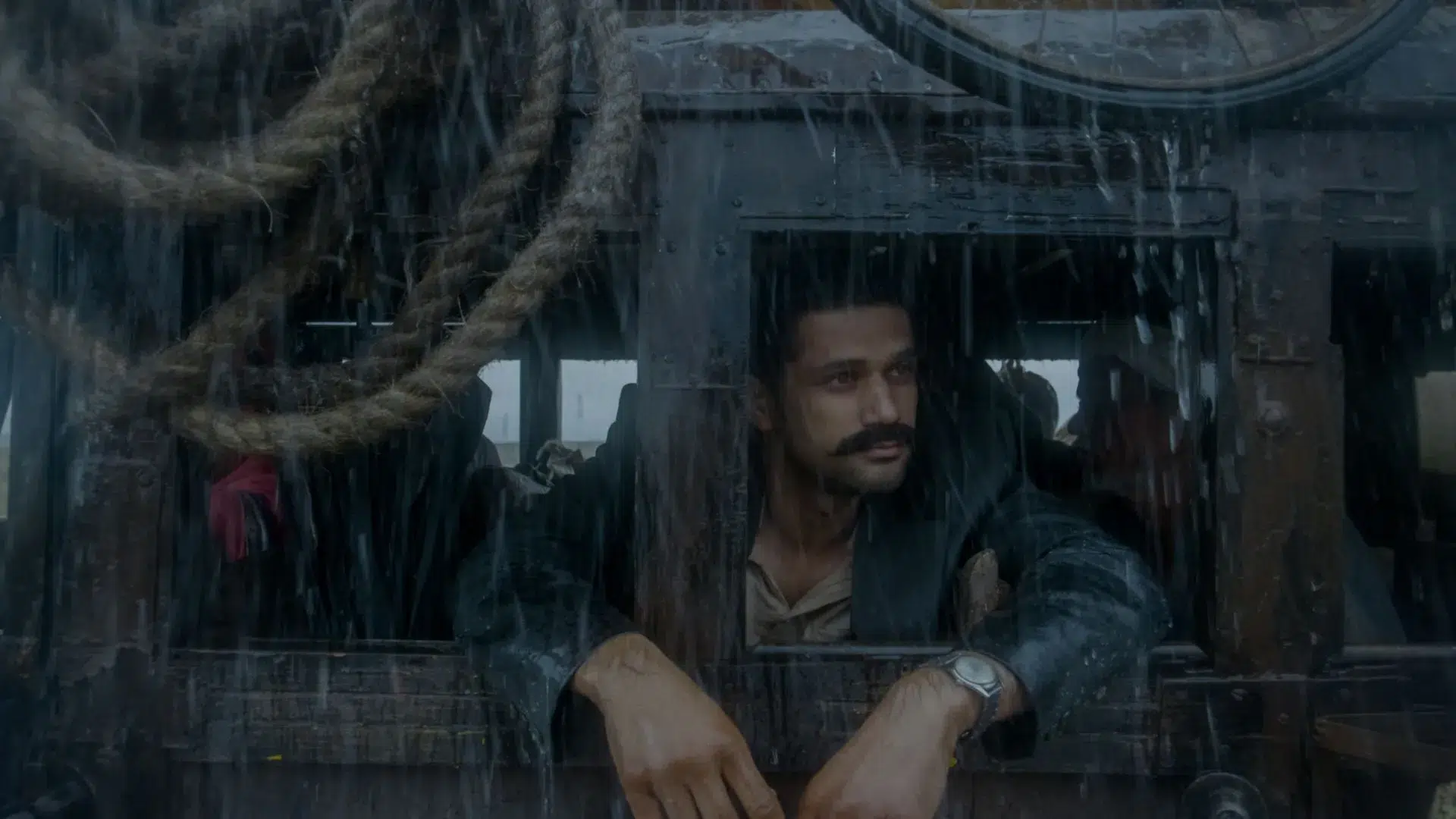
One reason Tumbbad works so well is how calmly it treats the supernatural. It’s not flashy. The British Raj is fading, the country is changing, but Tumbbad stays stuck. Even the weather refuses to move on. The rain isn’t just background; it feels like a constant presence, gray and smothering.
Craft and Atmosphere That Do the Talking
It’s hard to think of many films where the Cinematography and Production Design carry this much mood and meaning.
- The look: Pankaj Kumar shoots the film like the world is waterlogged. Shadows swallow corners. Light feels scarce. The colors live in deep reds, muddy browns, and dark blues. When Vinayak goes down into the goddess’s “womb,” the screen turns into a slick, fleshy red, both gorgeous and sickening.
- The sound: The audio builds tension without yelling for attention. Mud squishes. A flour-grinder hits a steady beat. Hastar’s breath hisses in a way that makes silence feel unsafe.
- The effects: Instead of leaning on cheap CGI, the film uses real sets and prosthetics that you can almost feel. The grandmother’s body moves with a painful weight. Hastar doesn’t look like a computer trick; he looks present, thin, and wrong.
The Lesson at the Bottom of the Pit
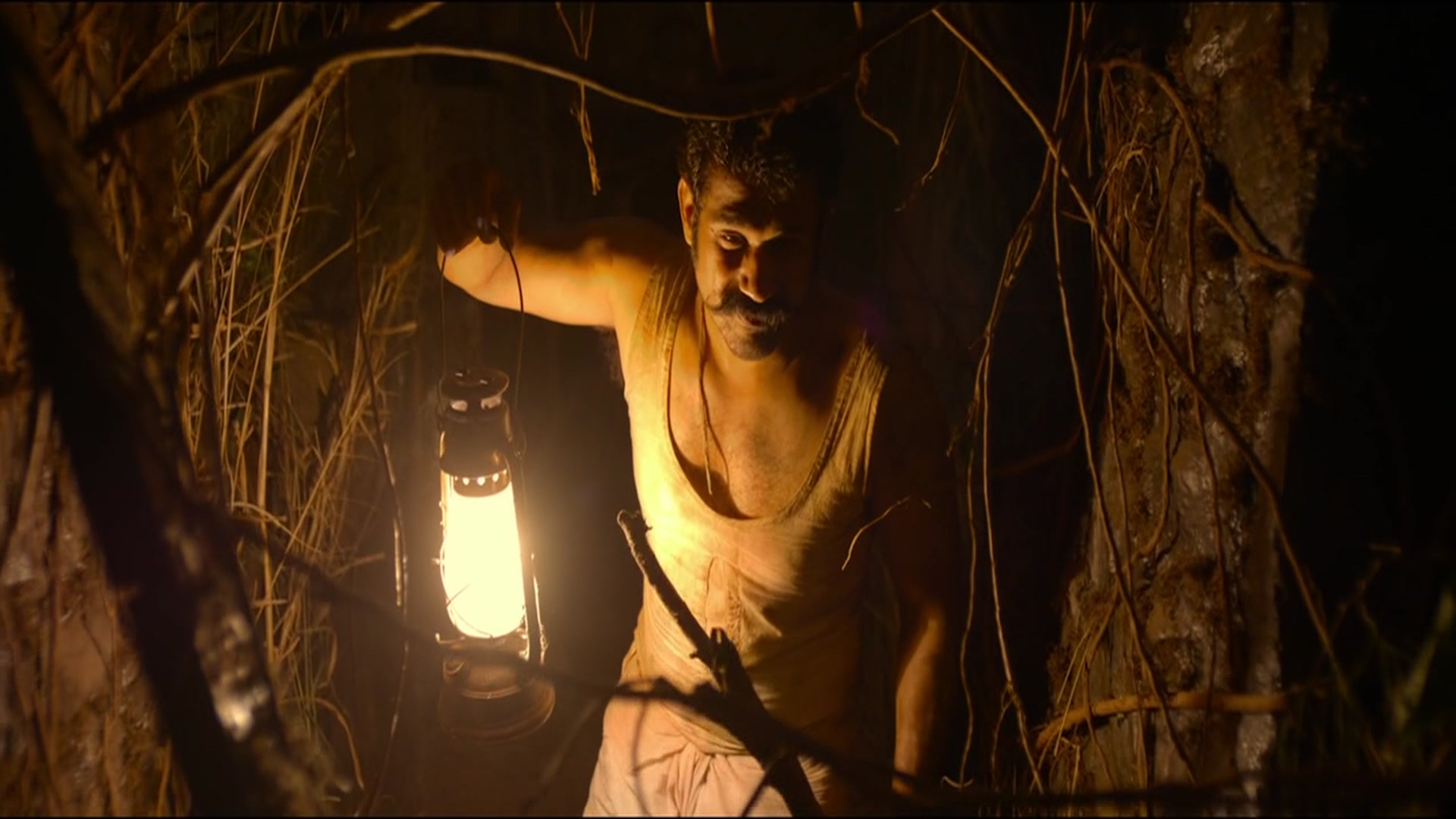
Under the horror, Tumbbad is a moral tale with sharp teeth. Vinayak isn’t a hero. He’s a man who treats life like a balance sheet. He doesn’t chase meaning; he chases ownership.
The film also shows how poverty leaves scars. Vinayak watches his mother suffer, and he swears he’ll never starve. That promise makes sense until it grows into something else. As the years pass, his hunger doesn’t shrink. Even after he’s rich, he keeps returning to the pit. The gold stops being a need and becomes a habit.
The most painful part is what happens between Vinayak and his son. He doesn’t just take risks for himself. He trains the next generation to do the same, teaching a child that value equals what you can carry out of a monster’s home.
“This world has enough for everyone’s need, but not for everyone’s greed.” — This famous quote by Gandhi hangs over the story like a warning nobody follows.
Why Tumbbad Hits Harder Than Most Horror Films
A lot of International Horror borrows from Hollywood habits. Tumbbad doesn’t. It stays close to Indian folklore, local spaces, and fears that feel tied to place. That grounded feel makes the fantasy scarier, not softer.
The pace is patient. The film doesn’t rush to show you everything. It builds rules, spaces, and routine first, the coins, the tunnels, the timing, and he steps needed to survive. That detail makes the final stretch land with real weight. You’re not just watching danger, you’re watching a life built on stolen treasure start to crack.
Sohum Shah as Vinayak Rao
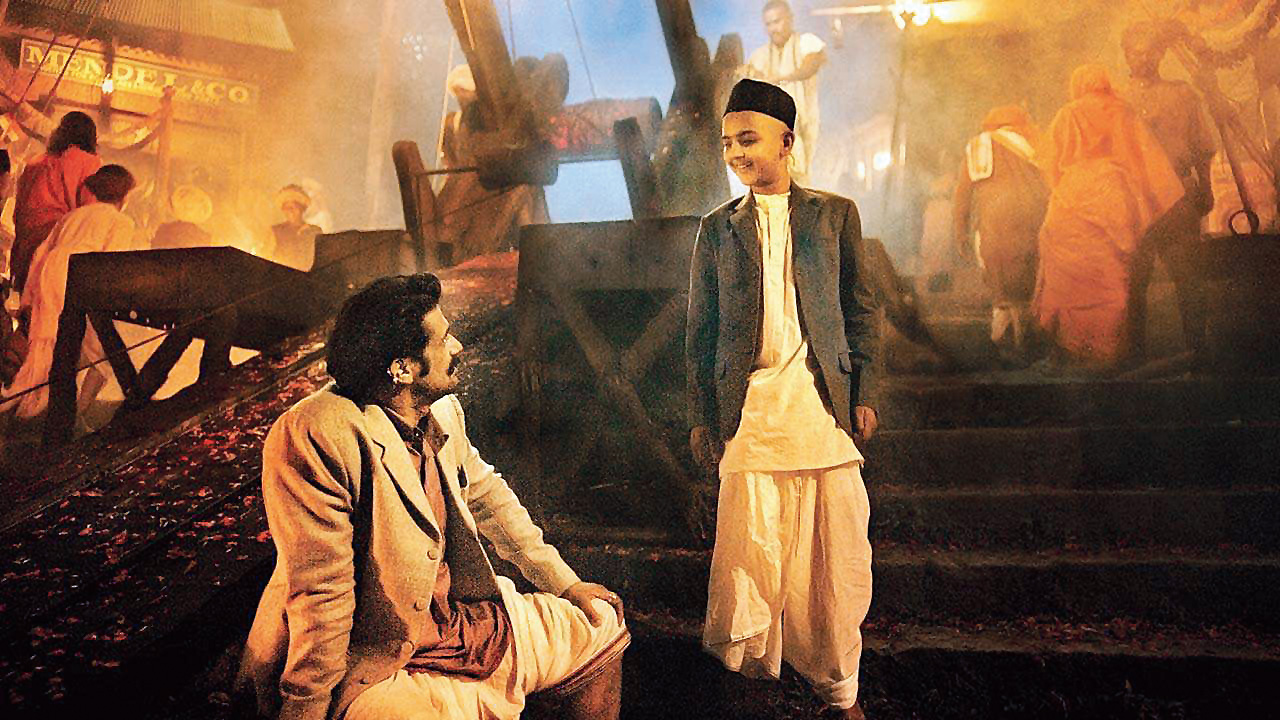
Sohum Shah carries the film. He plays Vinayak as focused and charming on the surface, then increasingly worn down by his own obsession. Over time, the confidence sags. The body slows. The eyes look wider, sharper, and more desperate. He makes greed look less like evil and more like addiction, rewarding, ugly, and never satisfied.
Closing Thoughts: A Modern Horror Favorite
Tumbbad is rare. It’s striking to look at, easy to follow, and hard to forget. It doesn’t rely on cheap shocks. It builds dread from weather, texture, and a simple idea that wanting more can hollow you out.
The monsters aren’t the only threat here. The real horror is what happens when “enough” stops meaning anything.
If you haven’t watched Tumbbad, go in ready for something bleak and unforgettable. It’s the kind of film that stays with you after it ends, like rain tapping a tin roof in the dark.
iBomma Rating: 5/5 Stars