


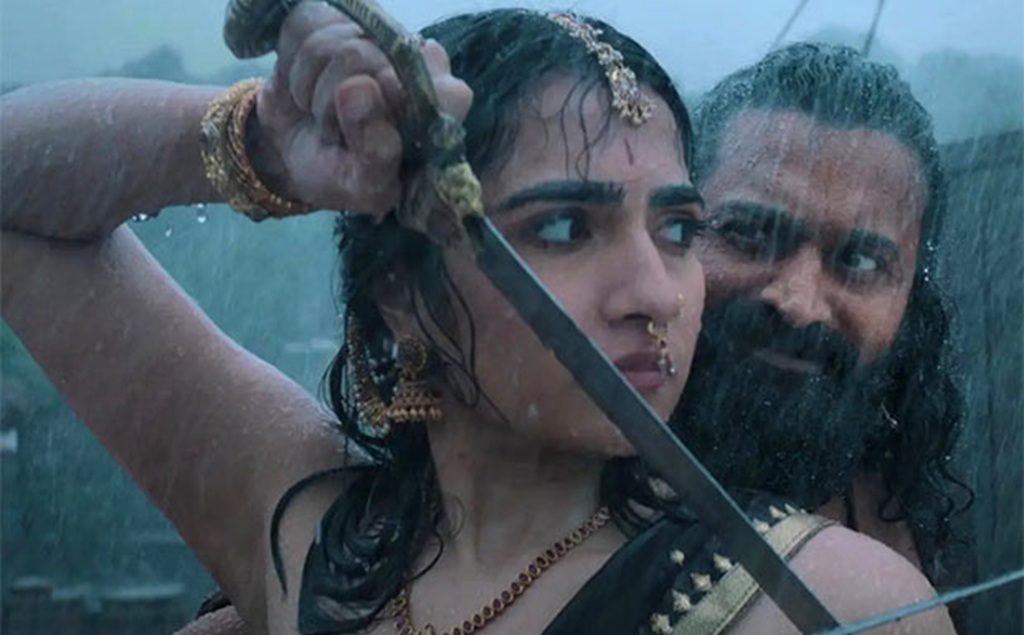
Kantara: A Legend – Chapter 1 Myth, Mud, and Divine Fury


Some movies feel like stories. Kantara: A Legend – Chapter 1 feels like a fireside legend that somehow got a theater-sized budget.
This review covers first impressions of the prequel, with a mostly spoiler-free approach (no major late turns). It focuses on the story setup, world-building, acting, visuals, music, and who it’s best for.
Set around 300 CE in the forests of Banavasi during the Kadamba era, the film reaches back to folklore and the roots of the Daiva tradition. The vibe is big, ancient, and intense, part historical epic, part action fantasy, part spiritual warning about what happens when humans treat the forest like property.

What is Kantara: A Legend – Chapter 1 about (spoiler-light story setup)?
If you haven’t seen Kantara (2022), don’t worry. This is a prequel, but it’s built to stand on its own. Think of it like reading an origin myth before the main saga.
The film drops you into the Banavasi forests in 300 CE, where the natural world isn’t just scenery. It’s protected, feared, bargained with, and worshipped. People live close to the land, and that closeness comes with rules, rituals, and consequences.
The core conflict is simple, even if the telling is layered: human desire collides with nature and divine forces. Rulers and power-brokers want what the forest holds (wealth, control, resources). Communities want to survive with dignity. And above them all sits a belief that the forest has guardians, and those guardians don’t negotiate the way humans do.
You don’t need every cultural reference to follow what’s happening. The film repeatedly grounds the stakes in tangible things: food, trade, honor, safety, and the right to live without being crushed by a stronger hand.
The film’s tone: myth, faith, and raw survival
The tone is the movie’s signature. It doesn’t behave like a standard action-drama where religion is just background flavor. Here, belief shapes choices the way hunger does.
A good comparison is a storm at sea. You can be brave, trained, and armed, but the ocean doesn’t care. In Chapter 1, the divine presence feels like that, vast, old, and easily offended by arrogance.
Ritual scenes are treated with seriousness, not as “exotic” set dressing. When people pray, chant, or follow tradition, it’s not just for mood. Those acts drive consequences in the story, and the film sticks to that rule. The result is a legend-like rhythm, where events feel guided by forces larger than any one character’s plan.
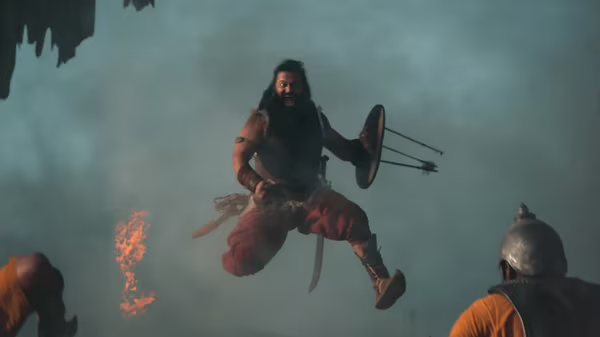

Who the main character is and why he matters
Rishab Shetty plays Berme, a fierce Naga Sadhu warrior-mystic, and he’s the movie’s living bridge between the human and the divine. He isn’t introduced like a typical hero with a neat backstory and a clear career goal. He arrives with the weight of prophecy and community expectation, which makes his presence feel both inspiring and unsettling.
Berme matters because he stands in the middle of three pressures:
- People who need protection and fairness.
- Power that wants obedience and profit.
- Spirits that demand respect for the land’s boundaries.
That “middle” position creates tension even in quiet moments. When Berme speaks, fights, or simply shows up, other characters react like the weather just changed.
What works best: world-building, performances, and big-screen craft
The best part of Kantara: A Legend – Chapter 1 is how fully it commits to its setting. You don’t just see a forest, you feel its textures. The film lingers on mud, firelight, sweat, carved wood, iron weapons, and ritual costumes that look lived-in, not rented.
Crowd scenes have weight. Village gatherings feel like real communities with pecking orders, shared fears, and private grudges. The royal spaces feel tense and watchful, the kind of place where a smile can hide a threat.
The world-building also works because it’s tied to emotion. Traditions aren’t explained like a textbook lesson. They’re shown as something people cling to when they’re scared, grieving, or furious.
For viewers who want context on the film’s historical framing and how it’s been received, this review from The New Indian Express captures the general critical reaction to its visuals and myth-driven drama:


Rishab Shetty’s performance and physical intensity
Shetty’s performance is built on body language as much as dialogue. He moves like someone trained for violence, but also like someone carrying a vow. Even when Berme is still, the character feels alert, as if he’s listening for something others can’t hear.
It helps that Shetty also directs and writes. The film has a single-minded focus on tone. Scenes don’t chase punchlines or easy crowd-pleasers that would break the spell. When the story wants you to sit with a ritual, it sits. When it wants impact, it hits hard.
That commitment won’t be for everyone (more on pacing later), but it does make the film feel authored, not assembled.
Action, cinematography, and sound that feel epic
The action has two faces. One is grounded and brutal, with bodies colliding in close quarters and consequences that feel painful. The other is ceremonial, where violence and spirituality start to blur.
Cinematography sells scale without getting glossy. The forest doesn’t look like a postcard. It looks unpredictable, alive, and sometimes hostile. Night scenes, torchlight, and smoke are used to build tension, and the camera often stays close enough that you can sense panic in a crowd.
Sound and music do a lot of heavy lifting. The score (by B. Ajaneesh Loknath) often feels percussive and ritual-ready, as if it’s pushing the story forward like a drumline at a procession. In a theater, that low-end punch matters.
The runtime is also part of the “epic” design. At about 165 minutes, the movie gives itself room to build awe, not just plot.
What may not work for everyone: pacing, clarity, and expectations
This is the kind of film that asks for patience. If your ideal action movie is tight, jokey, and constantly moving, Chapter 1 might test you.
The most common friction point is that the story could be tighter. The film sometimes repeats emotional beats (threat, warning, ritual, retaliation) in a way that’s clearly meant to deepen mood, but can feel long if you’re waiting for the next major turn.
Clarity is another issue, depending on the viewer. The film is confident about its culture-rooted storytelling, and it doesn’t always pause to translate every tradition into plain exposition. That’s part of its strength, but it can also leave some viewers unsure about the exact politics of who’s allied with whom in the royal side of the story.
Pacing and runtime: when it grips, when it slows down
When the movie locks in, it really grips. That usually happens when three elements collide at once: community pressure, approaching violence, and spiritual consequence.
The slower parts tend to be:
- Extended setup that establishes hierarchy and tradition.
- Scenes that repeat warnings about greed and boundaries.
- Long ritual passages that prioritize feeling over plot mechanics.
Those moments exist for a reason. The film wants the forest to feel ancient and watched, like you’re inside a belief system, not just observing it. But if you go in expecting a quick thriller structure, the length will feel heavier.
A simple tip: watch it like an epic. Let it wash over you. If you’re checking the time early, you’ll probably keep checking it.
If you have not seen Kantara (2022), will you be lost?
No, you won’t be lost. The movie works as a standalone legend with its own beginning and emotional logic.
That said, familiarity with the 2022 film can add extra meaning. Returning fans will catch why certain rituals, symbols, and community tensions matter. New viewers should focus on the core theme: respect the land, or pay for it, and on Berme’s role as the human face of that warning.
If you want a quick reference point for the film’s basic premise, release info, and cast, the Wikipedia entry is a helpful starting place: https://en.wikipedia.org/wiki/Kantara:_Chapter_1
Final verdict: is Kantara: A Legend – Chapter 1 worth watching?
Recommended for fans of folklore epics and culture-rooted action fantasy.
If you loved the feeling of Kantara (2022), this prequel widens the canvas. It’s bigger in setting, louder in conflict, and more direct about how divine belief controls the moral order. Shetty’s performance anchors the film with grit, and the craft (visuals, sound, staging) is built for big screens.
Who will love it:
- Viewers who enjoy mythology and spiritual folklore treated seriously
- Fans of large-scale action that still feels physical
- Anyone drawn to stories about land, tradition, and power clashing
Who should wait (or choose a home watch):
- Anyone who dislikes long runtimes
- Viewers who want fast plot progress over ritual mood
- People who prefer clean explanations instead of cultural immersion
Release context also matters for US viewers. The film had a late-2025 theatrical rollout in its original language, and the Hindi version hit theaters on January 2, 2026. If you can see it in a theater, that’s the best format for the sound design and crowd-scale scenes.
Conclusion
Kantara: A Legend – Chapter 1 succeeds most when it feels like a living myth, powered by strong world-building, Shetty’s intense presence, and a sense of scale that’s hard to shrink to a phone screen. The main caution is pacing, because the film often chooses mood and ritual detail over speed. If that trade-off sounds good to you, it’s a rewarding watch. What stood out more for you, the folklore angle, the action, or the way the forest itself feels like a character? If you know someone who likes historical fantasy and Indian folklore stories, share this review with them.