


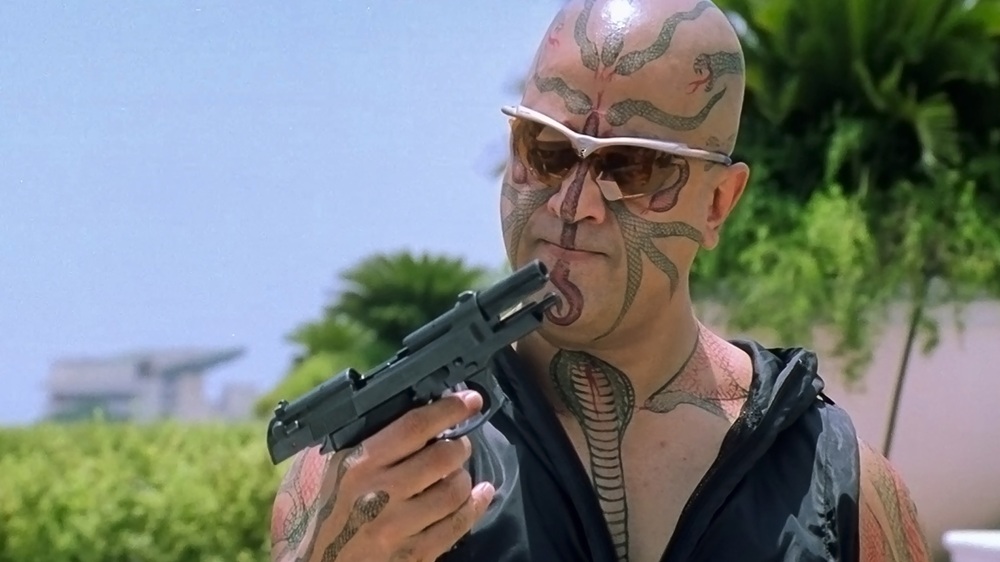
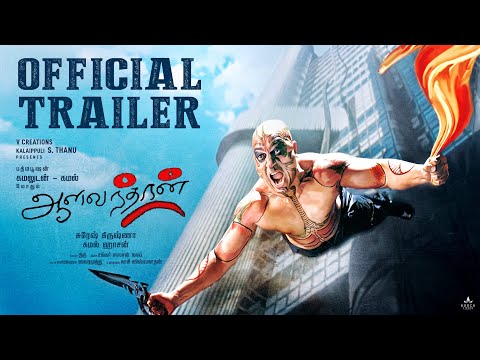
When people talk about the scariest Tamil movies, the talk often goes straight to ghosts and haunted houses. Aalavandhan (2001) proves horror can hit harder without anything supernatural. This film pulls fear from a damaged mind, and it still feels unsettling today. With Kamal Haasan playing dual roles, it stands out as one of India’s boldest psychological horror films, raw, intense, and far ahead of its release year.
Two Brothers, One Wound
The plot centers on twin brothers, Vijay and Nandu. Vijay is a calm, disciplined commando. The film paints him as controlled and trained. Nandu is the opposite. He lives in a high-security asylum and has schizophrenia. He’s also carrying scars from a brutal childhood, shaped by abuse from his stepmother.
The tension spikes when Vijay visits Nandu with personal news: he’s about to marry Teju (Raveena Tandon). In Nandu’s mind, Teju isn’t a future sister-in-law. He sees her as his stepmother returned. That belief flips a switch. Nandu escapes, then starts hunting Teju with a twisted goal. He thinks he’s protecting Vijay by trying to kill the woman he loves.
What Makes Aalavandhan Genuinely Frightening
The fear in Aalavandhan doesn’t rely on loud shocks. It comes from mood and perspective. The film traps you inside Nandu’s view of reality, and it doesn’t let go.
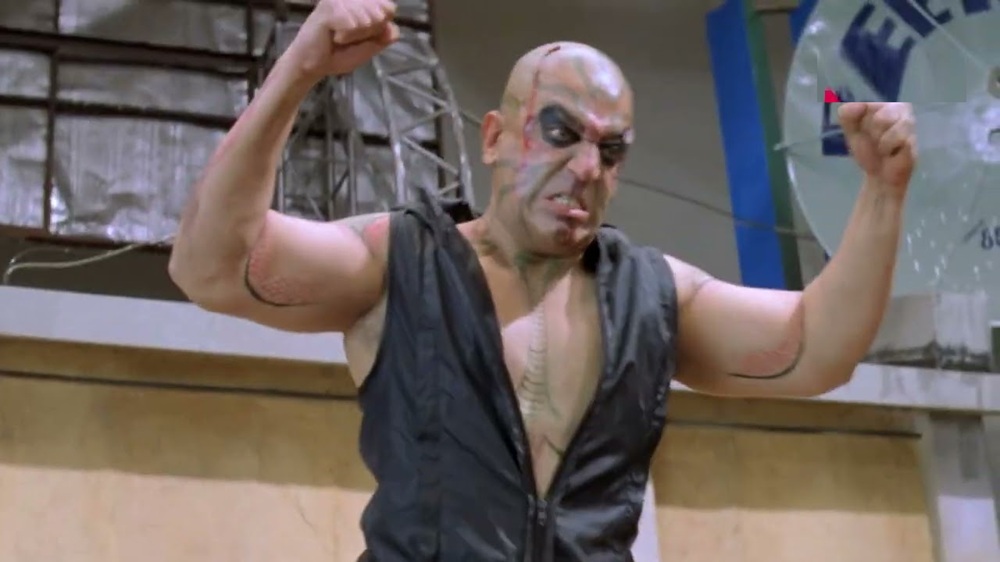
- Nandu’s physical presence: Kamal Haasan’s change for the role is hard to forget. He puts on weight, shaves his head, and moves like a threat. The sharp breathing, the grunts, the intense stare, it all feels animal-like and close.
- Hallucinations and warped logic: Nandu speaks to his dead mother and sees his stepmother as a true monster, not just a memory. His “Kadavul Paathi Mirugam Paathi” (Half God, Half Beast) idea adds dread, because it gives his violence a strange sense of purpose.
- Trauma that feels real: The flashbacks of what the twins went through are rough. The horror lands because it’s rooted in abuse and betrayal, the kind that changes a person forever. That’s the kind of fear that sticks.
Technical Risks That Paid Off
For a 2001 Tamil film, Aalavandhan looked and felt unusual. It tried things Indian cinema rarely attempted at the time.
| Feature | Impact |
|---|---|
| Motion control rig | Used in India for the first time so both Kamal Haasan characters could appear together in moving shots with convincing timing. |
| Animation sequences | Some violent moments switch into manga-style animation, matching Nandu’s drugged, fractured mindset. |
| Cinematography | Tilted frames and warped lenses keep the viewer off balance, mirroring Nandu’s instability. |
The animated action scenes became a talking point beyond India. They’re also widely linked to inspiring Quentin Tarantino’s anime segment in Kill Bill.

How Aalavandhan Became a Cult Favorite
At release, the movie didn’t connect with most audiences. It also struggled at the box office. A lead character who uses drugs, hallucinates, and turns violent was a lot for 2001. The brutality felt extreme, and the storytelling style threw some people off.
Over the last 20-plus years, Aalavandhan found new life as a cult classic. Many viewers now respect how it treats mental illness, addiction, and trauma without softening the ugly parts. It’s also seen as a risky experiment, especially for an era that leaned toward safer, brighter mainstream cinema.

The Sound That Tightens the Fear
The music helps shape the film’s tension. Shankar–Ehsaan–Loy’s songs bring energy and edge, especially the title track. Mahesh Mahadevan’s background score leans into harsh textures, heavy breathing, and industrial sounds that make scenes feel boxed in. One of the most chilling touches is how Nandu recites poetry during violent moments, mixing beauty with horror in a way few Indian films attempt.
Aalavandhan isn’t just “scary.” It’s tragic. Vijay stands for control, duty, and order. Nandu stands for what happens when pain festers and turns into something dangerous.
If you like psychological thrillers, it’s still a must-watch. Some effects look dated now, but the film’s darkness, the performances, and the disturbing writing hold up. It’s a reminder that the worst monsters aren’t hiding in the dark. They’re the ones we carry in our heads.